Yazılar

Dogecoin Surges 20% Following Trump’s Announcement of “Department of Government Efficiency” Led by Musk and Ramaswamy

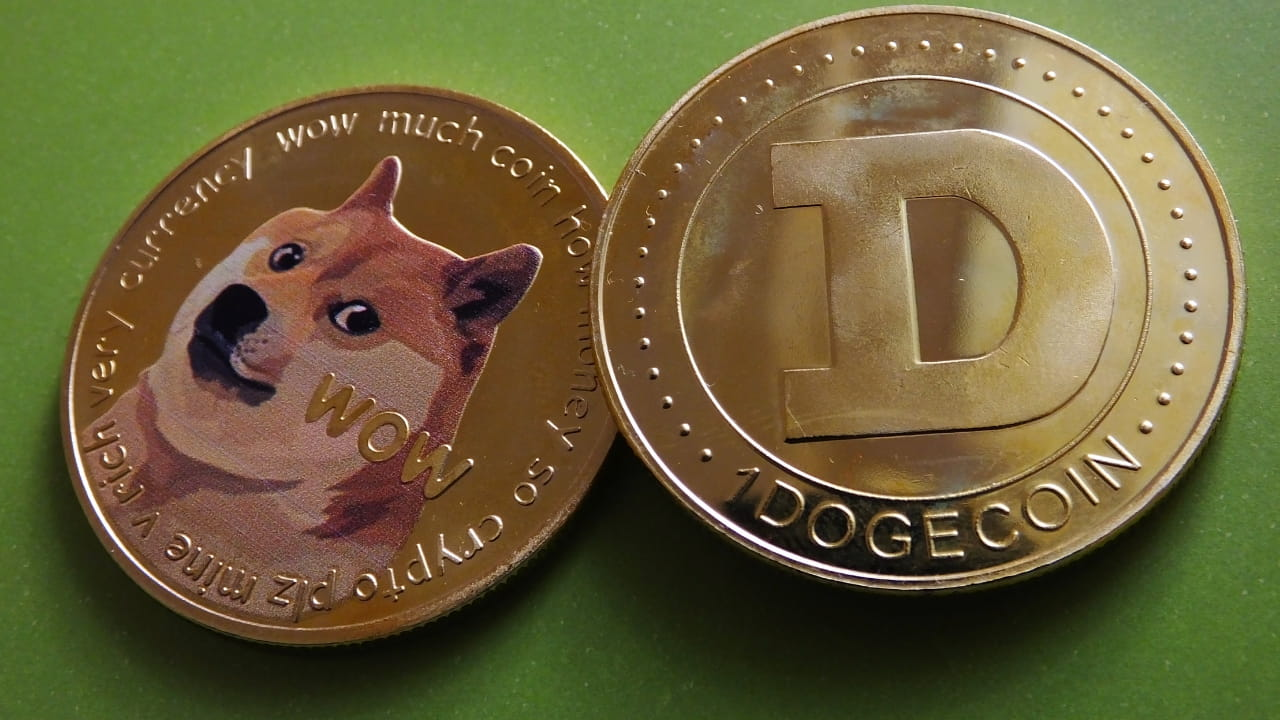
On Tuesday night, Dogecoin experienced a sudden surge of nearly 20% after President-elect Donald Trump announced the creation of a new Department of Government Efficiency, abbreviated as “DOGE.” This announcement, which stirred excitement among Dogecoin enthusiasts, named Tesla CEO Elon Musk and Vivek Ramaswamy, co-founder of Strive Asset Management, as leaders of the department. According to Trump’s statement, Musk and Ramaswamy will work to streamline government operations by reducing bureaucracy, slashing excess regulations, cutting wasteful spending, and reorganizing federal agencies.

Following the announcement, Dogecoin saw a spike in its value, briefly reaching around $0.43 before stabilizing at approximately $0.37 by 2 a.m. ET. The cryptocurrency has gained momentum since Election Day, with an impressive 153% rise, far outpacing Bitcoin’s 30% growth in the same period. Dogecoin’s surge even allowed it to surpass XRP in market capitalization, becoming the sixth-largest cryptocurrency.

Often considered a barometer of retail investor interest, memecoins like Dogecoin typically attract attention when market sentiment leans toward higher-risk speculation. Analysts see this recent activity as an indicator of rising retail enthusiasm in the cryptocurrency market.

Trump first introduced the idea of a government efficiency commission in September, and Musk, who has a history of influencing Dogecoin’s price through his social media posts, began referencing the proposed “Department of Government Efficiency” on X, his social platform. Known for dubbing himself the “Dogefather,” Musk’s association with Dogecoin dates back to 2021, when his enthusiastic tweets propelled Dogecoin to its peak value of $0.67. However, his appearance on Saturday Night Live that year, where he jokingly referred to Dogecoin as “a hustle,” resulted in a swift decline in its value.

While Dogecoin soared, other parts of the crypto market remained relatively calm. Bitcoin traded flat at around $87,000 after briefly reaching $90,000 earlier in the day. Meanwhile, crypto-related stocks, including Coinbase and MicroStrategy, fell slightly, with declines of 1% and 2%, respectively, during extended trading.

 

CATL Considers U.S. Plant if Trade Policy Shifts Under Trump Administration

China’s CATL, the world’s leading electric vehicle battery manufacturer, has expressed interest in establishing a plant in the United States if the upcoming Trump administration eases restrictions on Chinese investments in the EV sector. Robin Zeng, CATL’s founder and chairman, disclosed that although CATL had previously explored U.S. investments, it was blocked by trade barriers and national security concerns under former trade policies, including tariffs that made Chinese EV and battery products prohibitively expensive in the American market.

These restrictions have targeted Chinese technology, with both the Trump and Biden administrations enforcing protective trade measures. Chinese battery technology, for instance, does not qualify for the consumer EV subsidies introduced under the Biden administration, and Chinese-made electric vehicles face a 100% tariff, effectively barring them from U.S. entry. Recently, a Republican-backed bill also proposed limiting EV incentives for vehicles containing Chinese-made batteries, a measure opposed by the current White House.

Despite these barriers, Trump has suggested openness to foreign automakers setting up production in the U.S. on the condition that they manufacture locally and employ American workers. This conditional openness has kept Zeng interested in revisiting U.S. opportunities, especially as CATL continues to license its technology to American automakers such as Ford and Tesla. Ford plans to open a Michigan facility utilizing CATL’s lithium-phosphate battery technology, while Tesla has a similar licensing agreement for battery production expected to launch in Nevada in 2025.

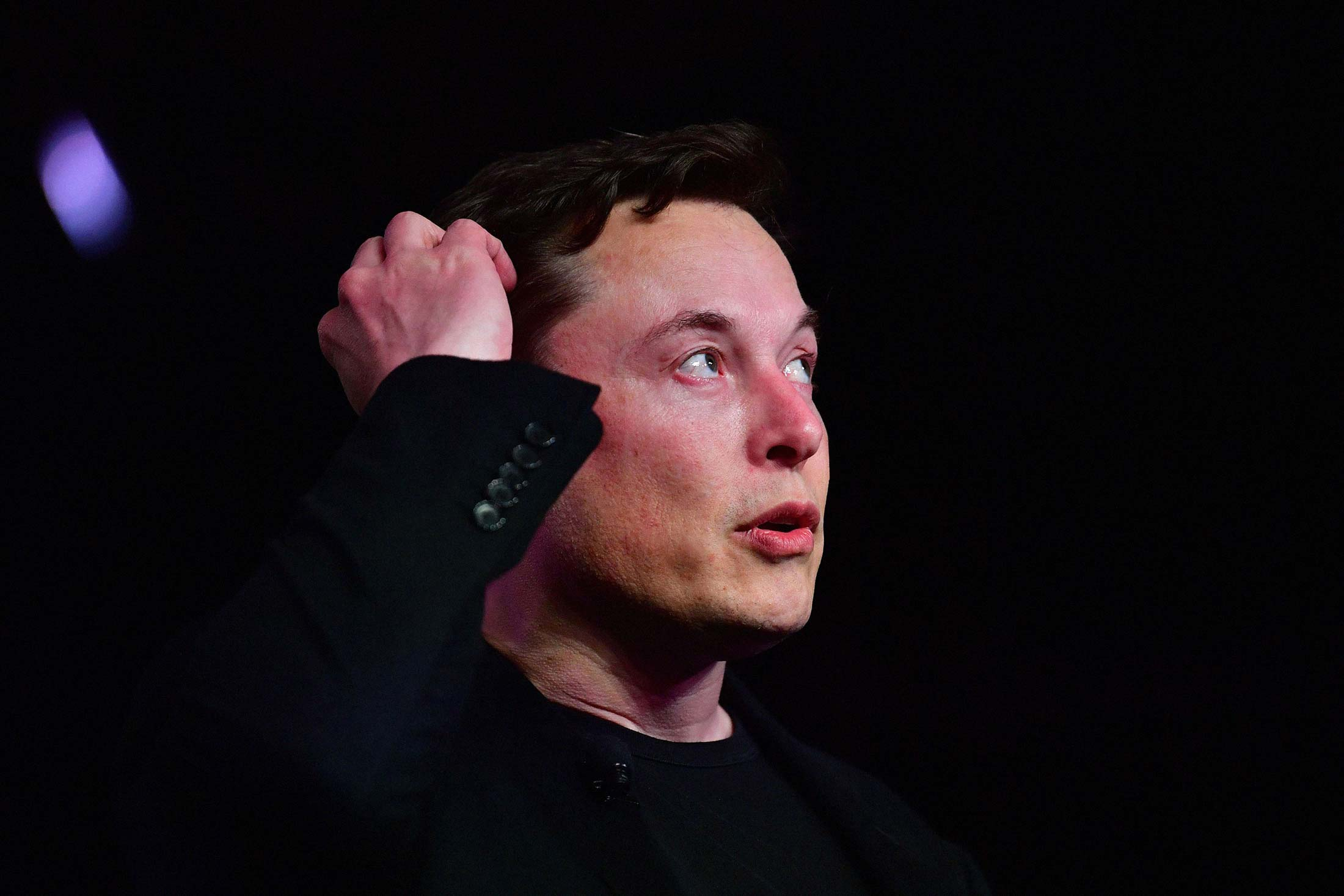
Zeng, who frequently discusses industry trends with Tesla’s Elon Musk, praised Musk’s vision for AI-driven autonomous vehicles. However, he voiced skepticism about Musk’s preference for cylindrical battery cells, specifically Tesla’s 4680 model, cautioning Musk that it would face significant technical challenges. Zeng also critiqued Musk’s tendency to set ambitious timelines, arguing that such accelerated deadlines may set unrealistic expectations among stakeholders. Musk, who has consistently aimed to push Tesla’s production limits, recently announced plans for fully autonomous Tesla models by 2024 and a “Cybercab” robotaxi by 2026, though these projections were met with investor skepticism.

While Zeng acknowledged Musk’s ambitious vision and alignment in pushing the EV industry’s boundaries, he cautioned that overly optimistic timelines could undermine progress. Nevertheless, Zeng emphasized that CATL is committed to expansion and innovation, awaiting a more favorable regulatory environment in the U.S. to potentially broaden its presence beyond licensing partnerships.


Elon Musk and GOP Leaders Push for Federal Reserve Overhaul as Trump Prepares for New Term

As President-elect Donald Trump readies for a return to the White House, speculation mounts about possible changes to the Federal Reserve’s role and independence. Elon Musk, a prominent Trump supporter, recently backed a call by Republican Senator Mike Lee to abolish the Fed. Lee argued that the Federal Reserve deviates from the Constitution’s original intent, advocating instead for executive control over monetary policy.

Though Trump has yet to make a definitive stance on dissolving the Fed, he has campaigned for revising the institution’s policies, particularly aiming to lower interest rates. On the campaign trail, Trump proposed that Fed officials consult with him on interest rates—a shift that could potentially undermine the Fed’s long-standing independence, which allows it to make decisions focused on long-term economic stability rather than political demands. Trump has previously criticized Fed Chair Jerome Powell, whom he blamed for maintaining high rates during his first term.

The notion of eliminating the Federal Reserve isn’t new. Republican legislators like Senator Lee and Representative Thomas Massie introduced bills this year aimed at dismantling the Fed and transferring its duties to the Treasury Department. However, Congress has historically guaranteed the Fed’s ability to operate as an independent body, empowered to make policy decisions without political interference, a standard reinforced by recent Supreme Court decisions on similar independent agencies. Under the Federal Reserve Act, the Fed Chair can only be removed for “cause,” a legal standard meant to protect against arbitrary dismissal.

Trump’s upcoming term may be the first true test of this independence. Republicans currently control the Senate, and Trump’s influence on the Supreme Court—having appointed three of the six conservative justices—could lend credibility to any attempt to challenge the Fed’s autonomy. However, the high court has recently upheld the independence of other regulatory agencies, suggesting it may resist radical changes to the Federal Reserve.