Yazılar

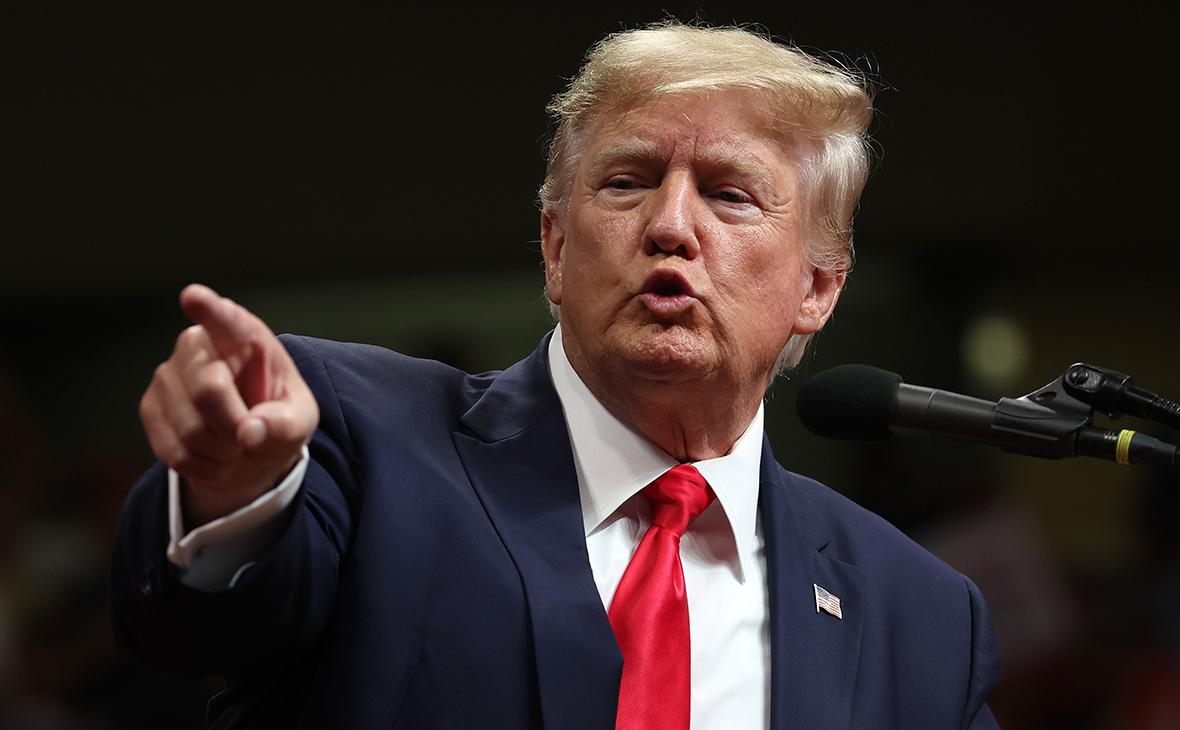
One Major Challenge Facing Trump’s Chosen Health Leaders: Keeping Politics Separate from Science

When President-elect Donald Trump announced his picks for top health leadership roles, including Dr. Janette Nesheiwat for U.S. surgeon general, Dr. David Weldon for CDC director, and Dr. Marty Makary for FDA commissioner, reactions among public health experts were mixed. These leaders face scrutiny not just for their qualifications, but for how they’ll handle the inevitable conflict between political pressure and scientific integrity.

Reactions to the Appointments

Experts generally expressed approval of Nesheiwat and Makary, but many voiced concerns about Weldon, particularly due to his controversial past views on vaccine safety. As public health agencies like the CDC and FDA are crucial in shaping health policy, the independence of these leaders will be closely watched. A central issue is whether they will maintain a commitment to evidence-based science, despite political pressures, especially with figures like Robert F. Kennedy Jr. – an outspoken anti-vaccine advocate – leading the Department of Health and Human Services (HHS).

Challenges in Maintaining Scientific Integrity

Public health experts emphasized the difficulty these appointees will face in resisting external political influences. Brown University’s Dr. Ashish Jha warned that it could be “very hard to defy your boss,” referencing the challenges faced by the CDC and FDA leaders if they are pressured by someone with anti-science views like Kennedy.

Nesheiwat and Makary are seen as open-minded physicians, but experts fear that Weldon’s history of questioning vaccine safety could have a damaging influence on his leadership at the CDC. Dr. Jerome Adams, former surgeon general under Trump, raised concerns about Weldon’s previous efforts to separate vaccine safety from CDC oversight, calling it a “disastrous” move for public health if promoted again.

Vaccine Policy as a Key Issue

Vaccination policy, especially in light of the COVID-19 pandemic, remains one of the most pressing issues for U.S. health agencies. Experts like Dr. Peter Hotez of Texas Children’s Hospital and Dr. Jennifer Nuzzo of Brown University underscored that a health leader’s stance on vaccines is a crucial indicator of their ability to make scientifically sound decisions. For example, Weldon’s past support for anti-vaccine measures raises concerns that his leadership could lead to reduced vaccination rates, with severe consequences such as measles outbreaks.

Dr. Paul Offit, a leading vaccine expert, warned that the possible return of measles, a disease previously eradicated due to widespread vaccination, could be a direct consequence of appointing leaders who subscribe to or enable vaccine misinformation.

Public Health and Political Influence

While the CDC and FDA are typically independent of political influence, many experts worry that under Kennedy’s leadership at HHS, there will be unprecedented interference. This raises questions about whether these agencies will be able to focus on public health science rather than political considerations. Dr. Hotez remarked that ensuring science-driven policy remains at the forefront is vital to avoid unnecessary public health crises.

In response to concerns about Weldon’s views on vaccines, experts like Dr. Amesh Adalja from the Johns Hopkins Center for Health Security emphasized the dangers of elevating individuals with a history of promoting vaccine misinformation. If confirmed, experts fear that this could lead to the dismantling of trusted vaccine programs, reversing progress made in public health.

Uncertain Future for Makary and Nesheiwat

Makary and Nesheiwat remain somewhat enigmatic figures in the public health arena. While they have demonstrated solid medical knowledge, the concerns revolve around their ability to navigate the political environment, particularly in relation to vaccine policy. Experts like Dr. Offit hope that Makary will take a firm stance against the anti-vaccine rhetoric of figures like Kennedy, but his previous hesitations regarding vaccine-related issues leave some uncertainty.

Conclusion

The upcoming Senate confirmations for these key health roles will be crucial in determining whether politics or science will take precedence in U.S. public health policy. As experts express concern over the influence of political figures like Robert F. Kennedy Jr., the broader public health community is watching closely to see whether Trump’s nominees will maintain their independence or succumb to political pressures.
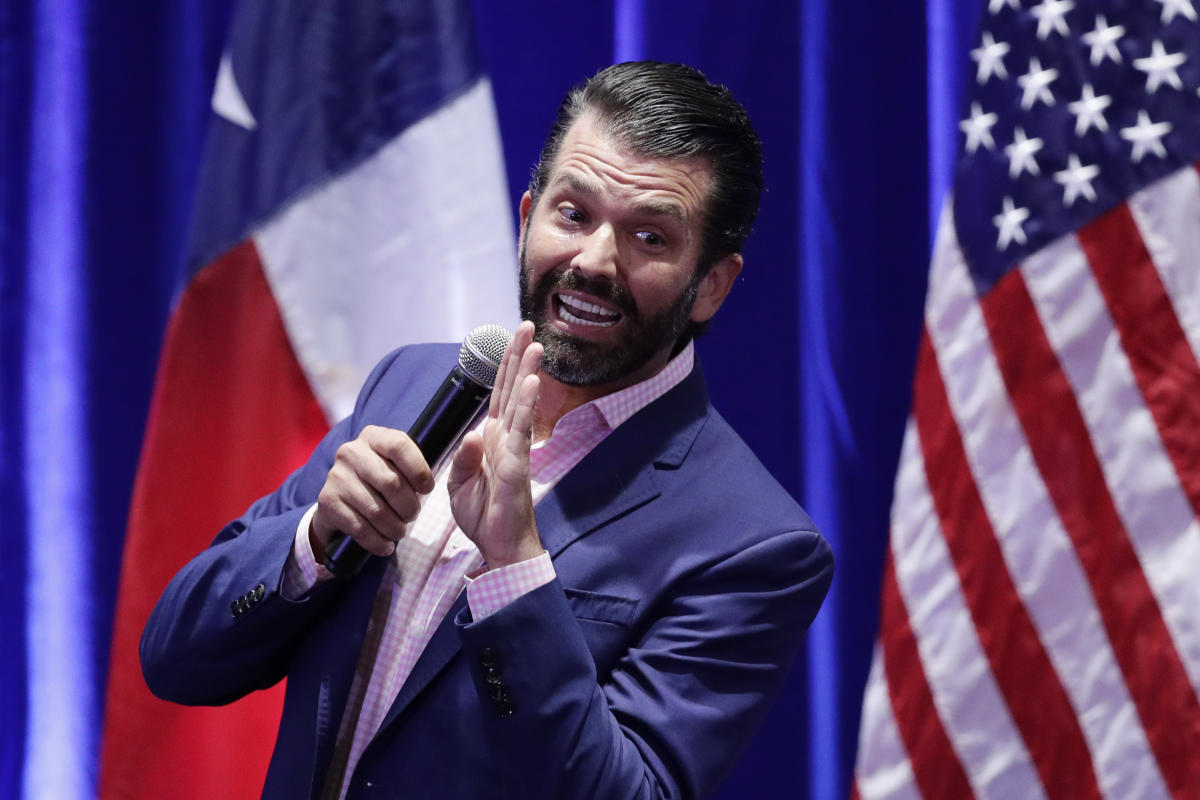
 

Donald Trump Jr.’s Influence in Building a Controversial Cabinet for Trump’s Next Term

Donald Trump Jr. has become a pivotal figure in shaping President-elect Donald Trump’s upcoming administration, leveraging his influence to prioritize loyalists and disrupt traditional norms in cabinet selections. Sources close to the transition reveal that Trump Jr.’s role as an adviser has significantly impacted decisions, elevating controversial figures and sidelining more conventional candidates.

Among the candidates championed by Trump Jr. are Senator JD Vance, chosen as Trump’s running mate, and figures like Robert F. Kennedy Jr. and Tulsi Gabbard, nominated for high-profile positions as U.S. health secretary and intelligence chief, respectively. Both nominees face potential hurdles in Senate confirmations due to their contentious views—Kennedy’s vaccine misinformation and Gabbard’s foreign policy stances, including past comments perceived as supportive of Russia and Syria.

Trump Jr. has reportedly sought candidates who align with his father’s anti-establishment and protectionist worldview. His influence extended to lobbying for Vance despite concerns over the senator’s controversial rhetoric and policies. This successful advocacy boosted Trump Jr.’s standing during the transition, granting him a notable role in key personnel decisions.

However, his sway has limits. For instance, while he supported Ric Grenell for secretary of state, Trump ultimately selected Senator Marco Rubio, a choice criticized by some core supporters for being too traditionally internationalist. Trump Jr. is not fully immersed in day-to-day vetting and mainly advises on higher-level appointments, maintaining his focus on political advocacy and media ventures.

In contrast to Trump Jr.’s prominent involvement, other family members, including Ivanka Trump and Jared Kushner, have stepped back. Kushner, who played a significant role in Middle East policy during Trump’s first term, is working informally to brief new appointees like Steve Witkoff, special envoy to the region. Ivanka and Eric Trump are also refraining from joining the new administration.

The transition team, led by Trump’s chief of staff Susie Wiles, is described as more organized compared to previous efforts, reducing the president-elect’s reliance on family members. Despite this, Trump Jr.’s focus on loyalty and ideological alignment marks a shift in how the Trump administration approaches governance, potentially setting the stage for significant political and policy shifts in the coming term.


Automakers Push Trump Administration to Retain EV Tax Credits and Promote Self-Driving Cars

Key Appeals from Automakers

Preserve EV Tax Credits

  • The Alliance for Automotive Innovation, representing major automakers like General Motors, Toyota, and Volkswagen, has urged President-elect Donald Trump to retain the $7,500 consumer tax credit for electric vehicle (EV) purchases.
  • Eliminating the credit, a move reportedly under consideration by Trump’s transition team, could further stall the already sluggish EV adoption in the U.S.

Encourage Self-Driving Cars

  • Automakers emphasized the need for federal initiatives to accelerate the deployment of autonomous vehicles, pointing out that China is already creating a supportive regulatory framework for self-driving technology.

Reconsider Stringent Safety and Emission Rules

  • The group expressed concerns over existing and proposed regulations:
    • Vehicle Emissions: They called for “reasonable and achievable” standards, arguing that current regulations—especially in California and aligned states—raise consumer costs and fail to align with market realities.
    • Automatic Emergency Braking Systems: Automakers requested a review of rules requiring advanced braking systems in nearly all new vehicles by 2029, deeming them technologically unfeasible under current conditions.

Regulatory Backdrop and Political Shifts

Trump Administration’s Proposed Rollbacks

  • The Trump transition team is reportedly planning to:
    • Eliminate the EV tax credit.
    • Target Biden-era regulations aimed at improving fuel efficiency and mandating at least 35% EV production by 2032.

Contrasts with Biden’s Policies

  • The Biden administration’s measures incentivize EV production and aim for a gradual shift away from fossil-fuel-powered vehicles.
  • Automakers fear losing ground against China, where EVs benefit from heavy subsidies and favorable policies.

Industry Concerns and Market Impacts

Global Competition

  • Automakers cited unfair competition from Chinese EVs and technologies benefiting from substantial subsidies.
  • The industry is seeking U.S. regulatory adjustments to remain competitive internationally.

Consumer Costs

  • The automakers argued that inconsistent emissions regulations across states increase costs for buyers.

Technology Feasibility

  • Automakers flagged potential challenges in meeting both safety and emissions standards without significant technological advancements or support.

Implications

For EV Transition

  • Removing the EV tax credit could dampen consumer interest and investment in EV infrastructure.
  • The U.S. risks lagging behind other nations, particularly China, in EV and autonomous technology adoption.

For Federal Policy

  • The automakers’ letter highlights tensions between federal and state regulations, particularly California’s more stringent policies.
  • Balancing consumer affordability, industry competitiveness, and environmental goals remains a significant challenge for the incoming administration.