Yazılar

Musk, Ramaswamy Aim to Curb Federal Agency Power Using Supreme Court Precedents

Leaning on Landmark Rulings

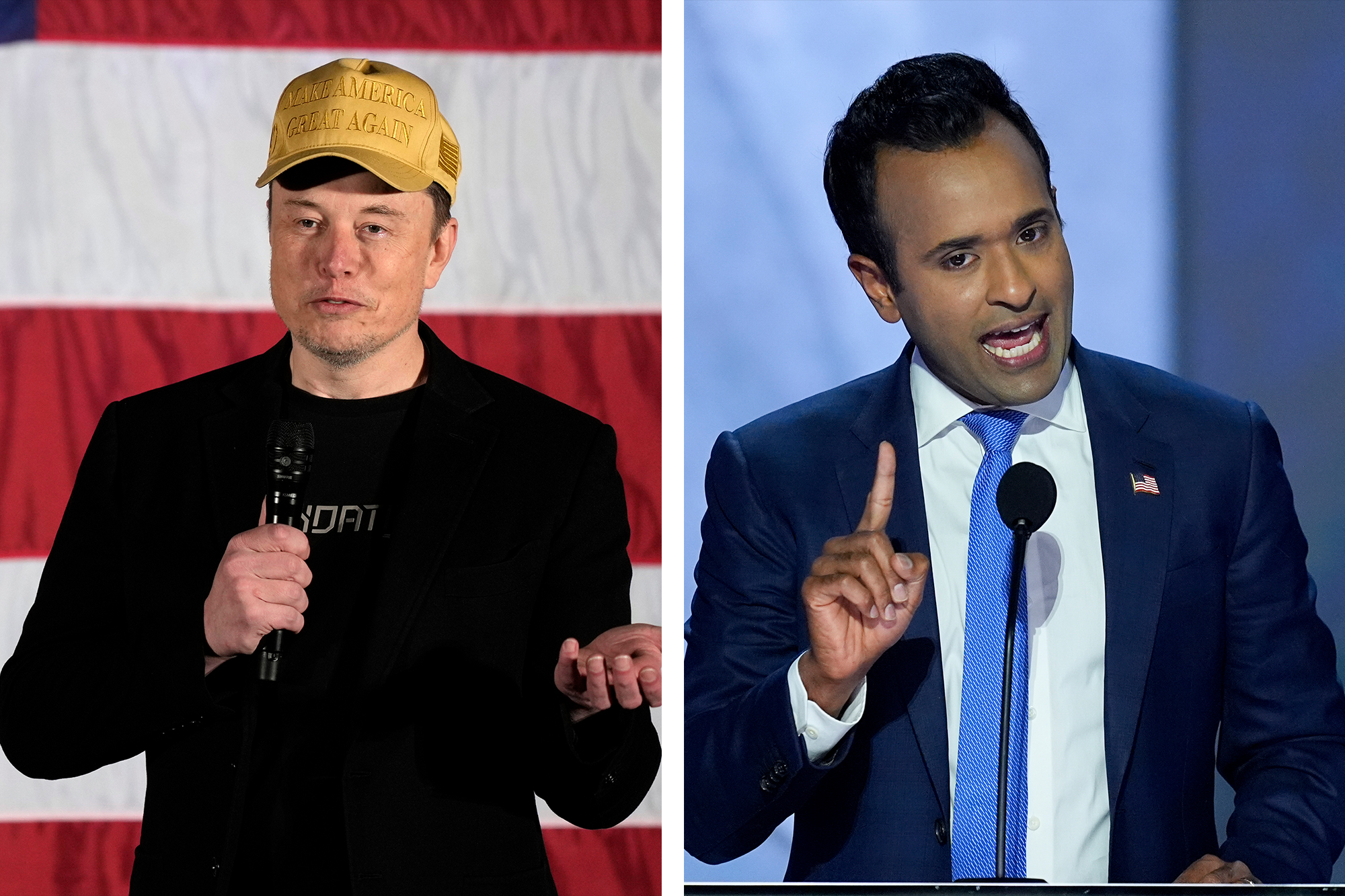
Elon Musk and Vivek Ramaswamy, leaders of the newly formed Department of Government Efficiency (DOGE), announced plans to leverage recent Supreme Court decisions to reduce federal regulatory power. In a Wall Street Journal op-ed on Wednesday, they highlighted their intent to target what they describe as unnecessary, costly, and inefficient regulations.

The effort is rooted in the Supreme Court rulings in West Virginia v. EPA (2022) and Loper Bright v. Raimondo (2023), which curbed federal agencies’ ability to act without explicit Congressional authorization. Musk and Ramaswamy claim many current regulations exceed the legislative powers granted by Congress and argue the rulings provide a blueprint for dismantling overreach.


Partnership with Trump Administration

President-elect Donald Trump tapped Musk, the billionaire CEO of Tesla and SpaceX, and Ramaswamy, a biotech entrepreneur and former presidential candidate, to lead DOGE. They aim to identify regulations that could be suspended via executive action, allowing time for their review and potential repeal.

The duo emphasized their collaboration with Trump’s transition team to recruit a cadre of “small-government crusaders” tasked with reforming federal governance. These efforts will be coordinated with the White House Office of Management and Budget (OMB).


Strategic Focus

DOGE plans to focus on regulations across various sectors, targeting rules they believe stifle innovation and economic growth. Musk and Ramaswamy view the current conservative 6-3 Supreme Court majority as an opportunity to implement structural downsizing of federal agencies.

They argue that the initiative aligns with what they interpret as a public mandate for reducing government overreach. “This electoral moment presents a unique opportunity to modernize governance by eliminating burdensome regulations that hamper progress,” they wrote.


Criticism and Challenges

While the plan has drawn support from deregulation advocates, critics warn it could undermine critical protections related to health, safety, and the environment. Legal experts also anticipate challenges to sweeping regulatory rollbacks, potentially leading to protracted court battles.

Observers highlight that balancing deregulation with public accountability and governance effectiveness will be a key test for DOGE’s approach.


Looking Ahead

As DOGE prepares its list of regulations for President Trump’s review, the agency’s impact will depend heavily on its ability to navigate legal, political, and public scrutiny. With Musk and Ramaswamy at the helm, the initiative underscores a broader push to redefine federal oversight in favor of private-sector-led innovation and efficiency.
Senator Mullin Urges Release of Ethics Report on Matt Gaetz Amid Attorney General Nomination

Background of Controversy

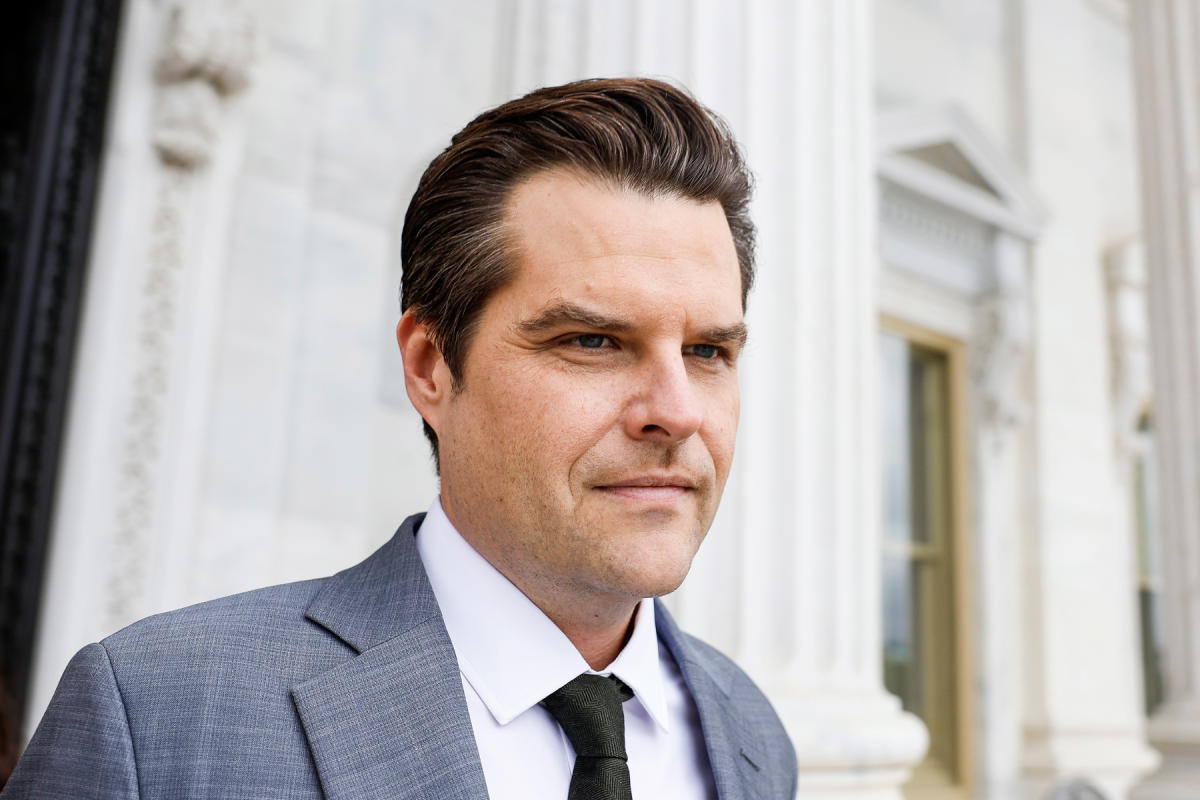
Republican Senator Markwayne Mullin has called on the House of Representatives to release an unreleased ethics report involving allegations of sexual misconduct against Matt Gaetz, President-elect Donald Trump’s nominee for attorney general. The report also examines allegations of illegal drug use.

Gaetz, 42, resigned from the Republican-controlled House last Wednesday, hours after his nomination was announced and just two days before the House Ethics Committee was expected to release its findings. While Gaetz has denied any wrongdoing, the investigation reportedly revisits earlier claims of sexual misconduct involving a 17-year-old girl, allegations that had already been reviewed by the Justice Department without resulting in criminal charges.


Mullin’s Stance on Transparency

Mullin, speaking on NBC’s Meet the Press, emphasized the Senate’s need to access the report before deciding on Gaetz’s confirmation.

  • “The Senate should have access to that,” said Mullin, while remaining undecided on whether the report should be made public.
  • Mullin, a previous critic of Gaetz, highlighted the importance of the nominee’s background, stating, “The background of Matt Gaetz does matter.”

Despite these concerns, Mullin maintained he would give Gaetz a fair evaluation during the confirmation process.


House Speaker and Ethics Report

House Speaker Mike Johnson has opposed the release of the ethics report, arguing that it would set a problematic precedent. On Sunday, he reiterated this stance during a CNN interview, asserting, “We don’t want to go down that road.”

  • Johnson lacks direct authority to prevent the Ethics Committee from releasing its findings but has strongly influenced the narrative within the House.
  • Meanwhile, the lawyer representing the teenager involved in the allegations has called for the report to be made public.

Senate Confirmation Challenges

Trump’s nomination of Gaetz has sparked mixed reactions in the Senate, which holds the constitutional responsibility to confirm high-level appointments.

  • With Republicans holding a majority of at least 52 seats in the 100-seat Senate, Gaetz’s confirmation depends on securing party support.
  • Several Republican senators have expressed skepticism about Gaetz’s qualifications and suitability for the role.
  • Democratic Senator Chris Coons voiced strong opposition, stating that the Senate must exercise its “advice and consent” role to ensure nominees meet high standards of character and capability.

Potential Use of Recess Appointments

Mullin signaled openness to a controversial alternative should the Senate fail to confirm Gaetz. This approach, known as a recess appointment, allows a president to bypass Senate confirmation by appointing officials during congressional recesses.

  • Trump has advocated for this option, calling on Republican lawmakers to enable him to bypass potential confirmation roadblocks.
  • Mullin described the option as an “absolute last resort,” while Democrats warned that such a move would undermine the Senate’s constitutional role.

Implications for the Justice Department

If confirmed, Gaetz would oversee the Department of Justice, a position requiring substantial legal and ethical oversight capabilities. Critics, including Senate Democrats, argue that the allegations and controversies surrounding Gaetz raise serious questions about his fitness for such a critical role.

The controversy highlights tensions within the Republican Party and between the Senate and the incoming Trump administration, as lawmakers grapple with balancing political loyalty, transparency, and ethical governance.

Trump Names Brendan Carr FCC Chair Amid Controversy Over Big Tech and Free Speech

Brendan Carr’s Appointment

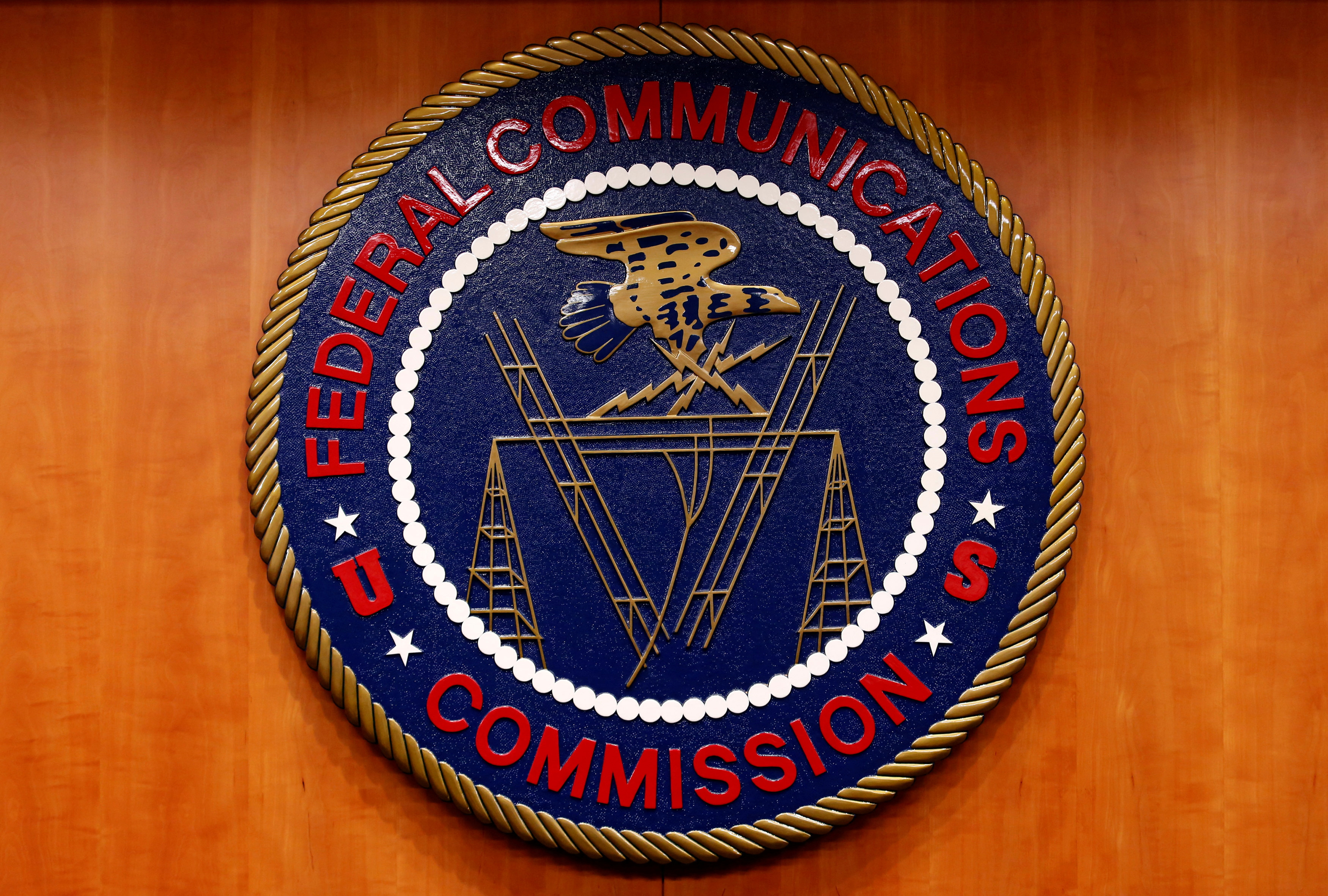
President-elect Donald Trump has announced Brendan Carr as his pick to chair the Federal Communications Commission (FCC), signaling a potential shift in telecommunications policy under the new administration. Carr, 45, currently serves as the FCC’s senior Republican member and has been a vocal critic of the Biden administration’s telecom policies and major technology companies.

In his statement on Sunday, Trump praised Carr as a defender of free speech and a critic of regulatory practices that he argues have stifled economic growth.


Carr’s Stance on Policy and Industry Oversight

Carr has been at the forefront of several contentious debates, including:

  • Broadband Subsidies: He criticized the FCC’s decision to withhold nearly $900 million in broadband subsidies for Elon Musk’s SpaceX Starlink program.
  • Biden’s Broadband Program: Carr has opposed the $42 billion broadband infrastructure initiative championed by the Commerce Department, citing concerns about inefficiency.
  • Spectrum Policy: He has also clashed with the Biden administration over its spectrum management strategy.
  • Big Tech Accountability: Carr recently accused companies like Meta, Google, Apple, and Microsoft of censoring American voices, calling for FCC intervention to “restore free speech rights.”

These positions have drawn both praise and criticism, with some hailing Carr as a leader against Big Tech’s influence while others, like Democratic Senator Ed Markey, argue his approach threatens regulatory neutrality.


Carr’s Approach to Media and Licensing

Carr’s appointment has also raised questions about the FCC’s role in overseeing media and broadcasting:

  • Broadcast Licenses: Trump has previously suggested revoking broadcast licenses of networks like ABC, NBC, and CBS, though the FCC’s authority in this area is limited to individual station licenses.
  • Ownership Rules: Carr has advocated for loosening ownership restrictions on radio and TV stations in single markets to promote competition.
  • Media Oversight: He has been critical of networks like NBC for their perceived partisanship, such as allowing Vice President Kamala Harris to appear on “Saturday Night Live” before the election.

The National Association of Broadcasters praised Carr’s appointment, highlighting his support for policies that enable local broadcasters to compete against Big Tech.


Carr’s Record and Views on China

A staunch critic of China, Carr was the first FCC commissioner to visit Taiwan in 2022 and has supported a hardline stance on Chinese telecom companies. He has also opposed the Biden administration’s efforts to reinstate net neutrality rules, arguing they impose unnecessary government oversight on internet operations.


Challenges Ahead for the FCC

The incoming Trump administration faces hurdles in solidifying FCC control. With two Republican commissioners currently seated, the administration must nominate a third to achieve majority control on the five-member panel.

  • Under Biden, Democrats only gained full FCC control in September 2023, over two years into his term.
  • Carr’s nomination is expected to intensify debates over the FCC’s role in regulating free speech, Big Tech, and media operations.

Reactions and Implications

Carr’s appointment underscores Trump’s focus on challenging Big Tech, expanding free speech protections, and reducing regulatory oversight. While supporters view him as a “warrior for free speech,” critics argue his approach could blur the lines between regulatory oversight and political influence.

Carr’s tenure is expected to bring significant changes to FCC policies, potentially reshaping the telecom and media landscape in the United States.