Yazılar

Intel Faces Investor Scrutiny Amid CEO Search and Declining Revenue

Key Highlights:

  • Intel is under intense investor scrutiny as it prepares to report its quarterly results, expected to show a 10.4% drop in revenue, primarily due to weak PC sales and shrinking market share in the datacenter sector.
  • The chipmaker recently ousted CEO Pat Gelsinger and appointed two interim co-CEOs, Michelle Johnston Holthaus and David Zinsner, raising questions about its future strategy, especially regarding its contract chip manufacturing business.
  • Intel plans to make its foundry business an independent unit and may consider spinning it off if its 18A chipmaking technology doesn’t succeed.
  • Intel’s market cap is currently around $85 billion, but analysts suggest it should be valued closer to $120 billion, highlighting concerns over its manufacturing lead and lack of progress in the AI boom, dominated by rivals like Nvidia.

Financial Outlook and Challenges:

  • Revenue is projected to fall 10.4% to $13.81 billion in Intel’s fourth-quarter earnings, with a 9 percentage point drop in gross margin to 39.4%.
  • Datacenter revenue, which includes Intel’s server chips, is forecast to decline by more than 15% for the 11th consecutive quarter. This is largely due to the shift by major cloud providers, such as Microsoft, toward AI chips and away from Intel’s traditional server processors.
  • Intel’s personal computer revenue, its largest segment, is expected to fall by 11% as PC sales remain subdued. Rival AMD continues to gain market share, especially in the x86 CPU market.
  • The company is also facing margin pressures, with its Gaudi AI chips, a lower-cost alternative to Nvidia’s expensive processors, failing to meet sales targets.

Strategic Challenges:

  • Intel has been grappling with the high costs of catching up with TSMC in chip manufacturing and is struggling to regain its lead in both the server and personal computer markets.
  • Despite these challenges, analysts note that Intel’s strategic importance to U.S. chip manufacturing remains high, with government support likely to continue.
  • The company’s focus on returning to growth has sparked discussions about the need for a new CEO to lead its recovery efforts and revitalize its position in the semiconductor industry.

TSMC Reports Operations Running Smoothly After Taiwan’s 6.4 Magnitude Earthquake

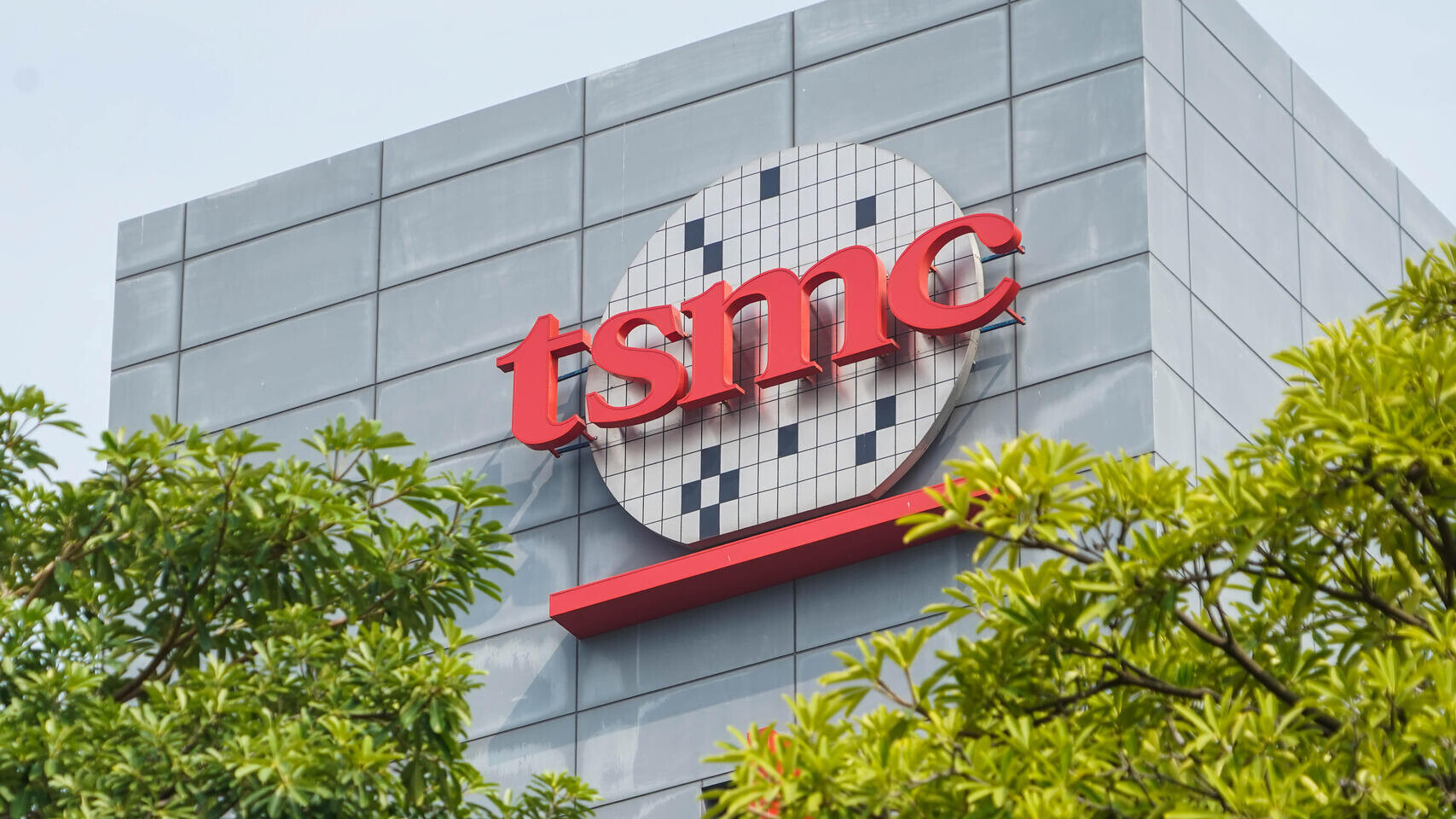
Taiwan Semiconductor Manufacturing Company (TSMC) announced on Tuesday that all its sites are operating normally following a 6.4 magnitude earthquake that struck southern Taiwan. The earthquake, centered in a mountainous rural area, resulted in minor damage and light injuries.

Key Points:

  • Operations Resumed: TSMC confirmed that its facilities, including those critical to the production of advanced chips for companies like Apple and Nvidia, were fully operational after post-earthquake structural inspections showed no significant damage. Workers were evacuated as a precaution at some sites in central and southern Taiwan, but safety systems, including water supply and power, remained unaffected.
  • Injuries and Damage: The earthquake occurred shortly after midnight and left 27 people hospitalized for minor injuries. While some households experienced temporary blackouts, electricity was restored by mid-morning, with no major disruptions to TSMC’s operations.
  • Taiwan’s Seismic Activity: Taiwan, located on the boundary of two tectonic plates, is prone to earthquakes. The country’s most recent significant earthquake was a 7.2 magnitude tremor in April, which caused 13 fatalities.

Taiwan Anticipates Minimal Impact from Trump’s Tariffs on Chip Exports

Taiwan does not expect significant disruption to its semiconductor exports from tariffs proposed by U.S. President-elect Donald Trump, according to Economy Minister Kuo Jyh-huei. The island, home to the world’s largest contract chipmaker, Taiwan Semiconductor Manufacturing Co. (TSMC), is a pivotal player in the global tech supply chain, supplying companies like Apple and Nvidia.

While Taiwanese officials acknowledge that U.S. tariffs could negatively affect overall economic growth in Taiwan—an export-dependent economy—Kuo emphasized that Taiwan’s semiconductor sector would largely be shielded from these changes. He pointed out that Taiwan’s technological edge in semiconductor manufacturing gives it an advantage that cannot easily be replicated, limiting the impact of any potential tariffs.

Trump has pledged to impose a blanket 10% tariff on all global imports, along with higher tariffs specifically targeting Chinese goods. He also committed to a 25% tariff on imports from Canada and Mexico upon taking office on January 20.

In response to these developments, Taiwan plans to assist companies in relocating supply chains to the United States, helping mitigate the impact of tariffs by shifting operations where necessary. Kuo also highlighted efforts to foster growth in Taiwan’s aerospace sector, suggesting that some of the island’s aerospace research and development centers could relocate to the U.S. Additionally, Taiwan plans to open an office in Japan by mid-2025 to facilitate investments and collaboration on artificial intelligence (AI) and drone technology.