Yazılar

Taiwan’s Chip Industry a Pillar of Global Stability and National Defence, Tsai Ing-wen Says

Former Taiwan President Tsai Ing-wen told the Berlin Freedom Conference on Monday that Taiwan’s world-leading semiconductor industry not only underpins global prosperity but also strengthens the island’s defence and resilience amid growing external threats.

“Our high-tech sector, particularly in semiconductors, has become an indispensable part of the global economy,” Tsai said. “In an age where AI also defines power, Taiwan’s chip industry anchors global prosperity.”

Tsai emphasized that Taiwan’s role as a global technology hub has become a strategic asset for both economic and national security, reinforcing its position in the global supply chain while deterring potential aggression.

“Now, it is such an initiative that helps Taiwan strengthen its defence and societal resilience in the face of threats,” she added, stressing that Taiwan remains committed to sharing its expertise with international partners.

While Taiwan maintains official diplomatic ties with only the Vatican in Europe, Tsai noted growing engagement with European countries such as Britain, France, Lithuania, and Poland, which have continued to host Taiwanese officials despite Beijing’s objections.

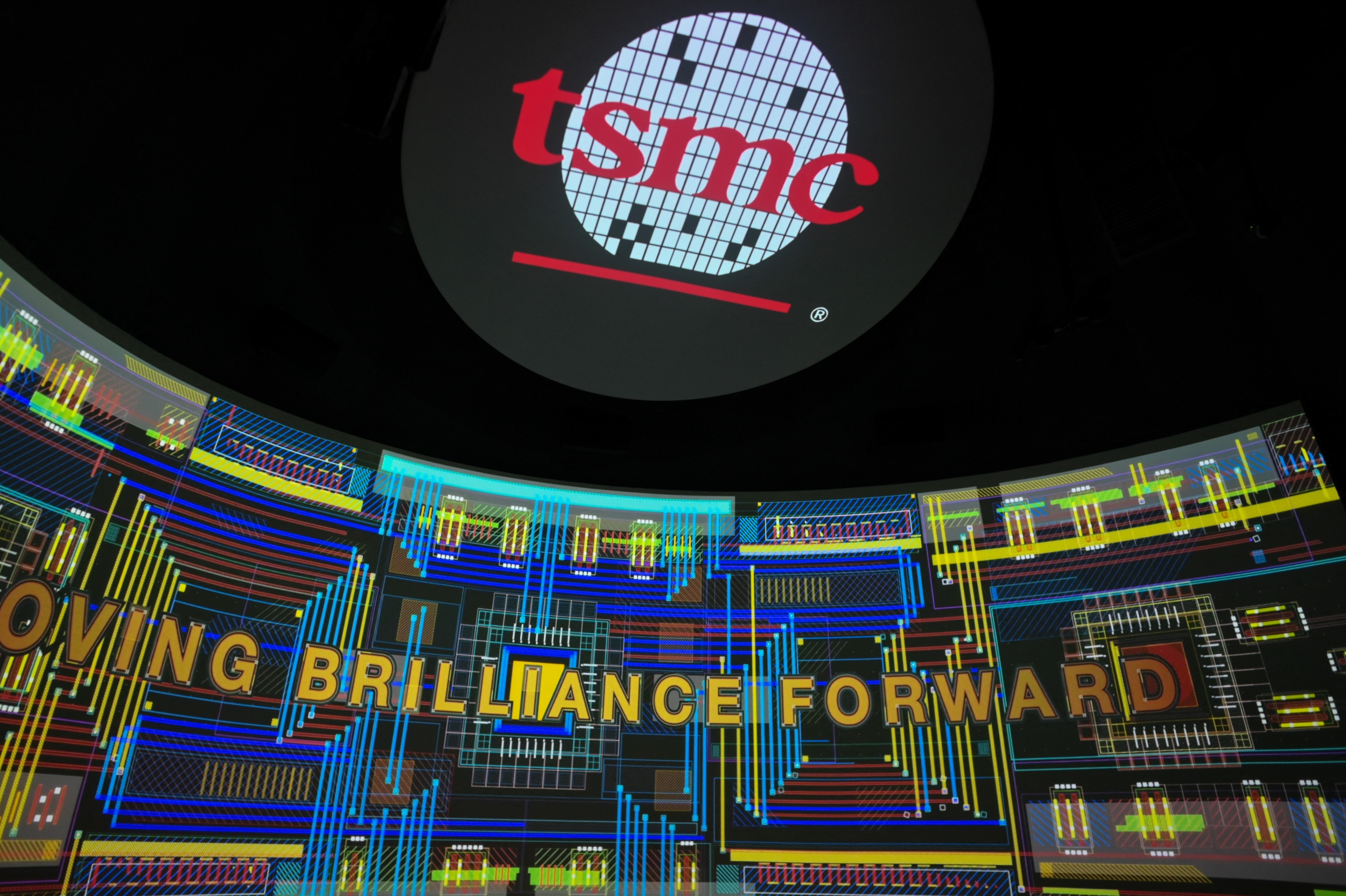
Her remarks come as the island’s semiconductor industry — led by TSMC, the world’s largest contract chipmaker — continues to play a central role in global AI and advanced computing technologies, making Taiwan a critical player in the modern digital economy.

Intel CEO Lip-Bu Tan Takes Charge of AI Strategy After CTO Departs for OpenAI

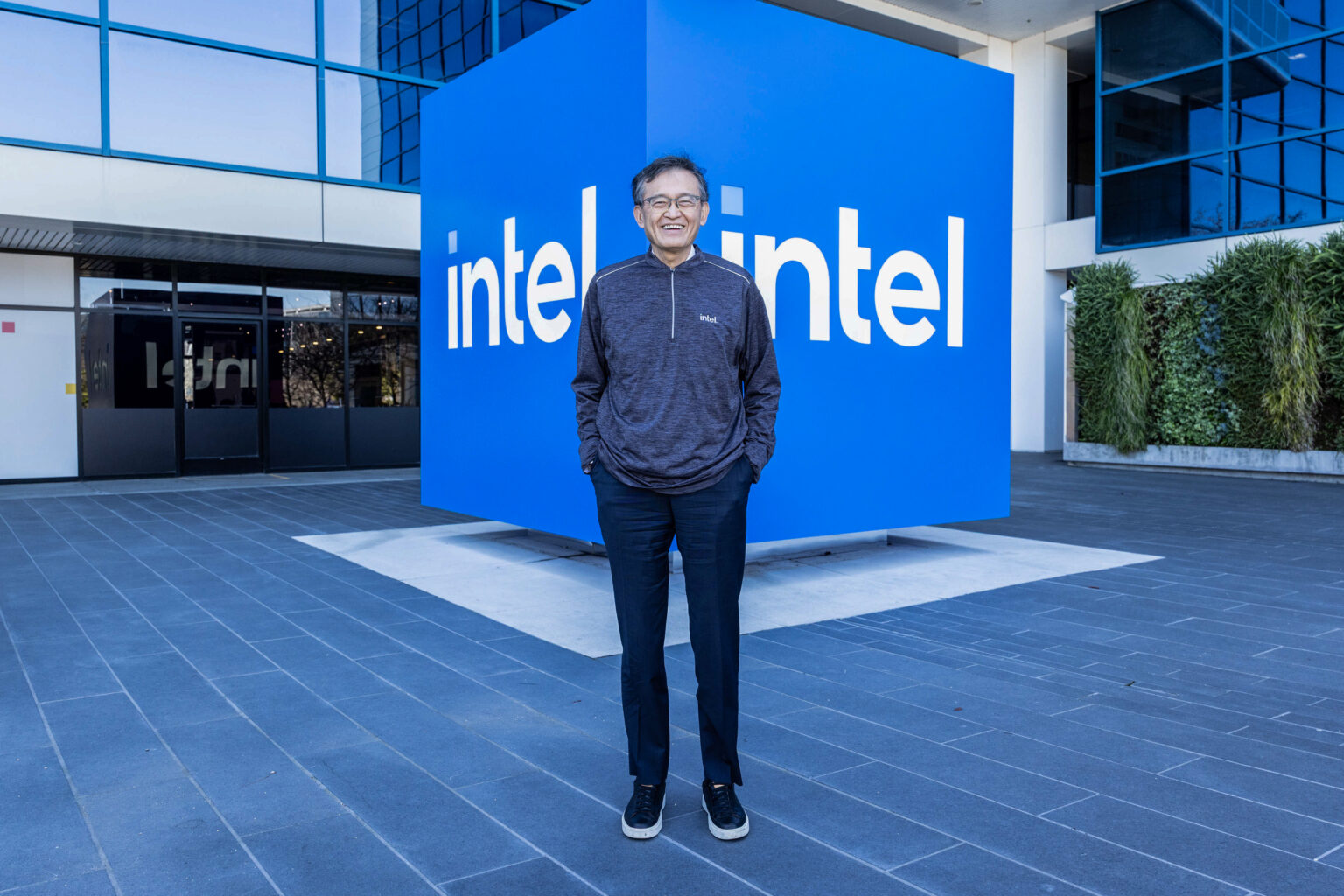
Intel announced that its CEO Lip-Bu Tan will directly oversee the company’s artificial intelligence strategy, following the departure of Chief Technology Officer Sachin Katti to OpenAI, the creator of ChatGPT.

Katti, who had led Intel’s AI division since a major management reshuffle in January, revealed on X (formerly Twitter) that he joined OpenAI, where he will focus on building the company’s compute infrastructure to support artificial general intelligence (AGI) research.

Intel confirmed the move in a statement, saying: “We thank Sachin for his contributions and wish him all the best. Lip-Bu will lead the AI and Advanced Technologies Groups, working closely with the team. AI remains one of Intel’s highest strategic priorities.”

The leadership change comes at a crucial time for Intel, which is working to reposition itself in the AI chip race dominated by Nvidia and TSMC. While Intel’s CPUs are still widely used in AI server systems, the company has struggled to deliver a competitive data center AI chip to match Nvidia’s specialized silicon.

Katti joined Intel four years ago, initially heading its networking group before being promoted by then-CEO Pat Gelsinger. Under Tan, who took over in March 2025, Katti became both Chief Technology Officer and Chief AI Officer in April, part of a broader restructuring to streamline decision-making.

Tan, a seasoned industry leader known for bold turnarounds, has been reshaping Intel’s leadership. He recently expanded Naga Chandrasekaran’s responsibilities to strengthen Intel’s foundry operations and hired Kevork Kechichian, formerly of Arm, to head its data center division.

Intel continues to emphasize AI as central to its recovery strategy amid fierce global competition.

Nvidia CEO Jensen Huang Reports Surging Demand for Blackwell Chips

Nvidia CEO Jensen Huang said on Saturday that demand for the company’s cutting-edge Blackwell AI chips is “very strong,” as the semiconductor giant deepens its partnership with Taiwan Semiconductor Manufacturing Co (TSMC) to meet soaring global demand.

Speaking at an event hosted by TSMC in Hsinchu, Taiwan, Huang said Nvidia’s Blackwell platform — which integrates GPUs, CPUs, networking, and switching systems — requires an extensive supply of wafers and components. “We build the GPU, but we also build the CPU, the networking, the switches… there are a lot of chips associated with Blackwell,” he explained.

TSMC CEO C.C. Wei confirmed that Huang had “asked for wafers,” but declined to disclose quantities. “TSMC is doing a very good job supporting us,” Huang said, emphasizing that Nvidia’s record-breaking success “would not be possible without TSMC.”

In October, Nvidia became the first company to surpass a $5 trillion market value, prompting Wei to call Huang a “five-trillion-dollar man.”

When asked about supply challenges, Huang acknowledged there would be “shortages of different things,” though memory makers SK Hynix, Samsung, and Micron have expanded capacity to meet demand. Nvidia has already received next-generation memory samples from all three suppliers.

SK Hynix recently said it had sold out all production for 2026, forecasting a long-lasting chip “super cycle” driven by AI growth. Samsung is also in “close discussion” to supply HBM4 memory to Nvidia.

Huang reiterated that Nvidia has no active discussions to sell Blackwell chips to China, as U.S. restrictions remain in place.