Yazılar

Nvidia CEO Jensen Huang Says No Plans to Sell Blackwell AI Chips to China

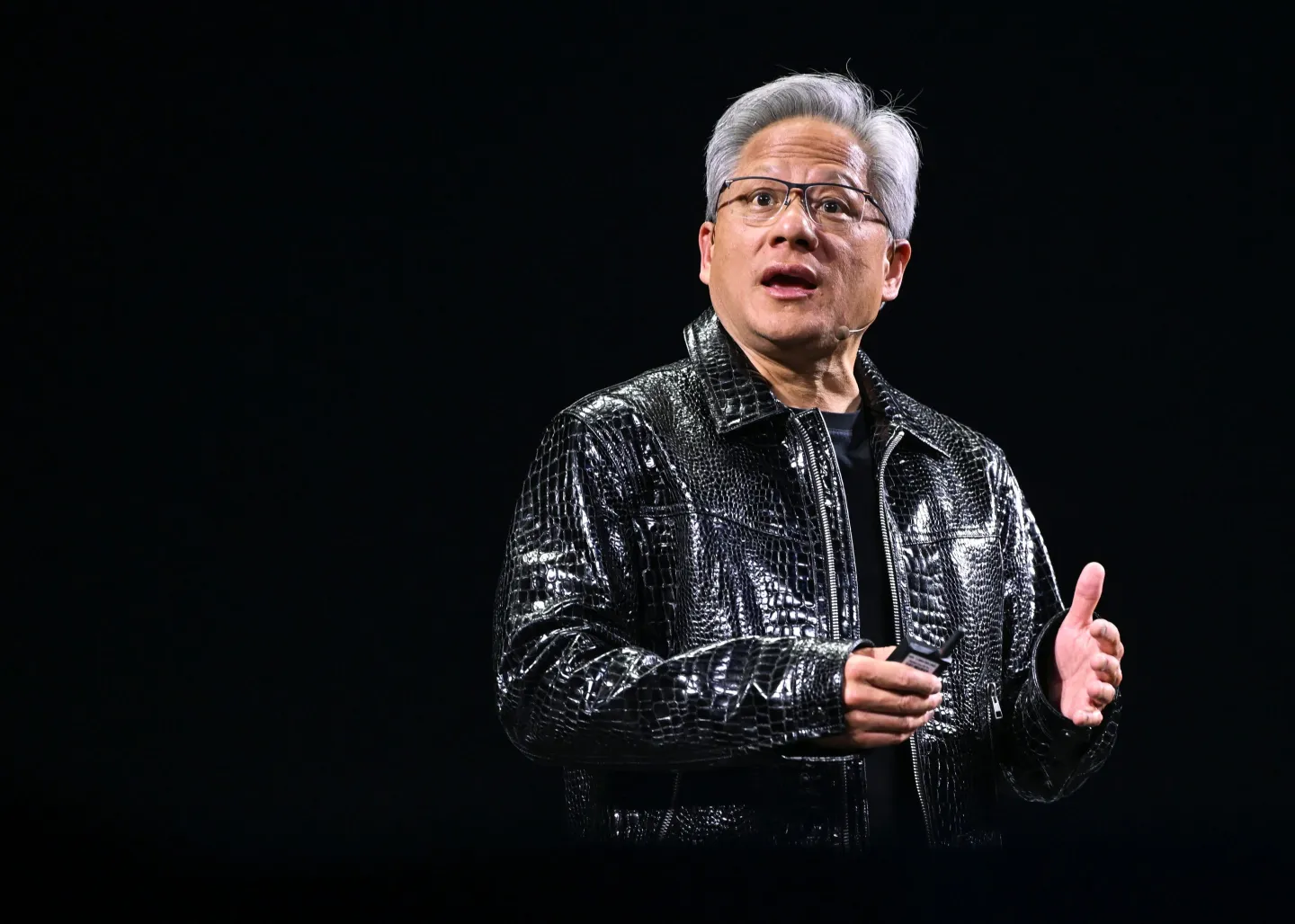
Nvidia CEO Jensen Huang said on Friday that there are “no active discussions” about selling the company’s cutting-edge Blackwell AI chips to China, pushing back on speculation that a U.S.–China deal could soon allow limited exports.

The Blackwell processor, Nvidia’s most powerful chip for artificial intelligence applications, is currently banned from sale in China under U.S. export restrictions introduced by the Trump administration. Washington fears the hardware could accelerate Beijing’s military and AI capabilities.

“There are no plans to ship anything to China right now,” Huang told reporters during a visit to Tainan, Taiwan, where he attended a TSMC company event. “It’s up to China when they would like Nvidia products to go back to serve the Chinese market,” he added, implying that Beijing’s own policies are a barrier to reentry.

Rumors of a possible diplomatic breakthrough emerged last week when U.S. President Donald Trump and Chinese President Xi Jinping met in South Korea, but no agreement has materialized.

Nvidia is still allowed to sell its H20 chips, a downgraded model tailored for the Chinese market, but Huang said China’s stance has left Nvidia’s market share for advanced AI chips at zero.

Asked about Tesla CEO Elon Musk’s plan to build a semiconductor fabrication plant, Huang noted that “building advanced manufacturing like TSMC does is extremely hard,” but added that demand for such technology remains enormous.

Huang also clarified remarks reported by the Financial Times, denying that he had said China would win the AI race. “What I said was that China has very good AI technology,” he explained. “They have many AI researchers. The United States just has to move very, very fast because the world is competitive.”

The comments underscore Nvidia’s delicate position between U.S. export controls and China’s growing AI ecosystem, even as global demand for its chips remains red-hot.

China’s AI Strategy Leans on Huawei Chip Clusters and Cheap Energy to Counter the U.S.

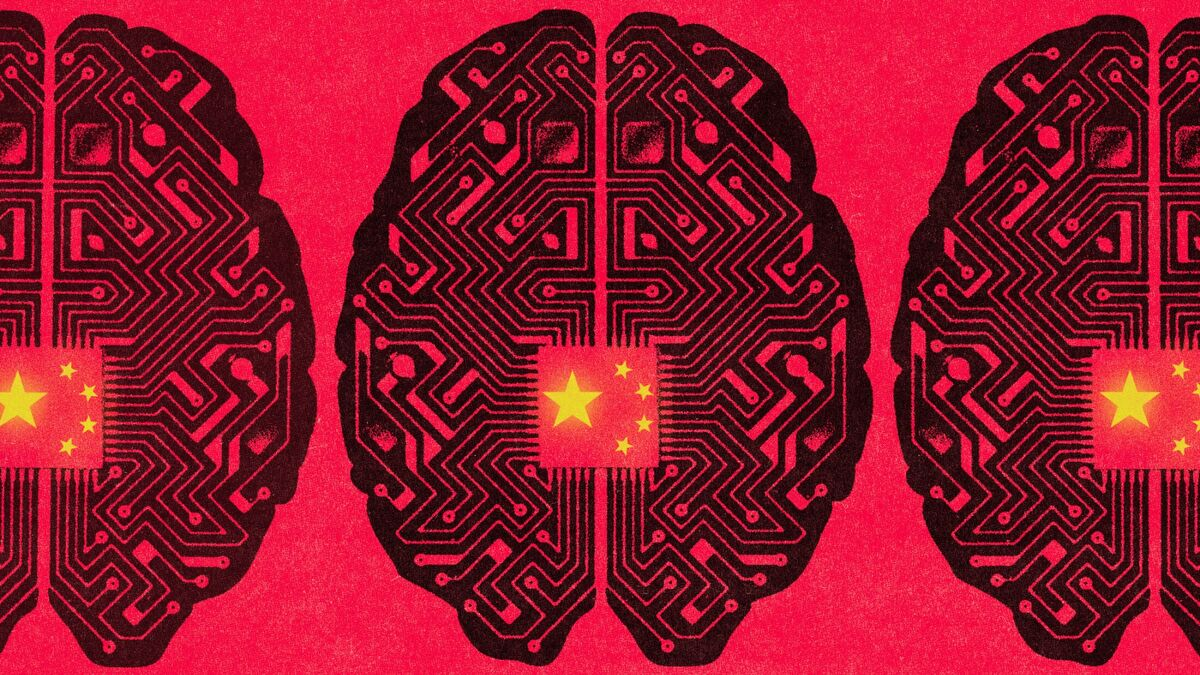
China has found a powerful workaround to the U.S. chokehold on advanced semiconductors — combining Huawei’s massive chip clusters with abundant cheap energy to accelerate its artificial intelligence (AI) ambitions.

While Nvidia remains the global gold standard for AI chips, U.S. export restrictions have cut China off from the American company’s most powerful processors. Yet, Chinese tech giants like Huawei, Alibaba, and DeepSeek continue to build large-scale AI models using domestically produced hardware.

At the core of this effort is Huawei’s Ascend series — less advanced than Nvidia’s GPUs individually, but competitive when linked together in vast, high-speed “clusters.” One example is the Huawei CloudMatrix 384, which connects 384 Ascend 910C chips to deliver performance rivaling Nvidia’s GB200 NVL72, despite relying on five times as many chips.

“This approach leverages high-speed interconnects to compensate for weaker chips,” said Brady Wang, associate director at Counterpoint Research. “It suits China’s strengths — large-scale engineering and manufacturing.”

The tradeoff is power consumption. Huawei’s architecture demands far more energy than Nvidia’s — but China’s cheap and plentiful electricity turns that disadvantage into an asset. Supported by investments in solar, wind, and nuclear energy, as well as local government subsidies, Beijing has created a favorable environment for energy-intensive AI infrastructure.

“Less efficient chips are sustainable in China because energy is inexpensive and government-backed,” said Wendy Chang of the Mercator Institute for China Studies.

Still, a structural weakness remains. Huawei’s chips are made by SMIC, China’s top semiconductor foundry, using older 7-nanometer tools that lag far behind TSMC’s cutting-edge technology. Export restrictions, especially on ASML’s extreme ultraviolet lithography machines, limit China’s ability to close that gap.

“China’s main challenge isn’t scaling power or hardware clusters,” said Hanna Dohmen from Georgetown University’s CSET. “It’s whether they can keep up technologically as Nvidia and TSMC push performance forward.”

For now, though, Beijing’s combination of Huawei’s hardware muscle and low-cost power is proving enough to keep China in the global AI race.

Taiwan’s September Export Orders Surge 30.5% on Soaring Global AI Demand

Taiwan’s export orders surged far beyond expectations in September, climbing 30.5% year-on-year to $70.22 billion, as booming global demand for artificial intelligence (AI) technology continued to drive growth. It marked the eighth consecutive monthly increase, reaffirming Taiwan’s central role in the global semiconductor and tech supply chain.

The results, released by the Ministry of Economic Affairs, easily beat analysts’ forecasts of a 17.8% gain. The ministry credited the island’s expanding importance in AI and high-performance computing, sectors anchored by leading chipmakers such as TSMC, the world’s largest contract semiconductor manufacturer.

While global trade uncertainties and newly imposed 20% U.S. tariffs have weighed on outlooks, Taiwan’s government said the measure is temporary as negotiations continue with Washington for more favorable trade terms. The ministry expects momentum to remain strong through the fourth-quarter holiday season, traditionally a peak period for electronics and consumer technology exports.

Orders for electronic products jumped 45.9%, while telecommunications equipment rose 33.1%. By region, orders from the United States soared 40.2%, China climbed 11.6% after a brief decline in August, Europe gained 16.9%, and Japan increased 22.8%.

The ministry projected export orders for October to rise between 23.7% and 27.3%, adding that total full-year export value could reach a record high if AI-related demand remains strong.