Yazılar

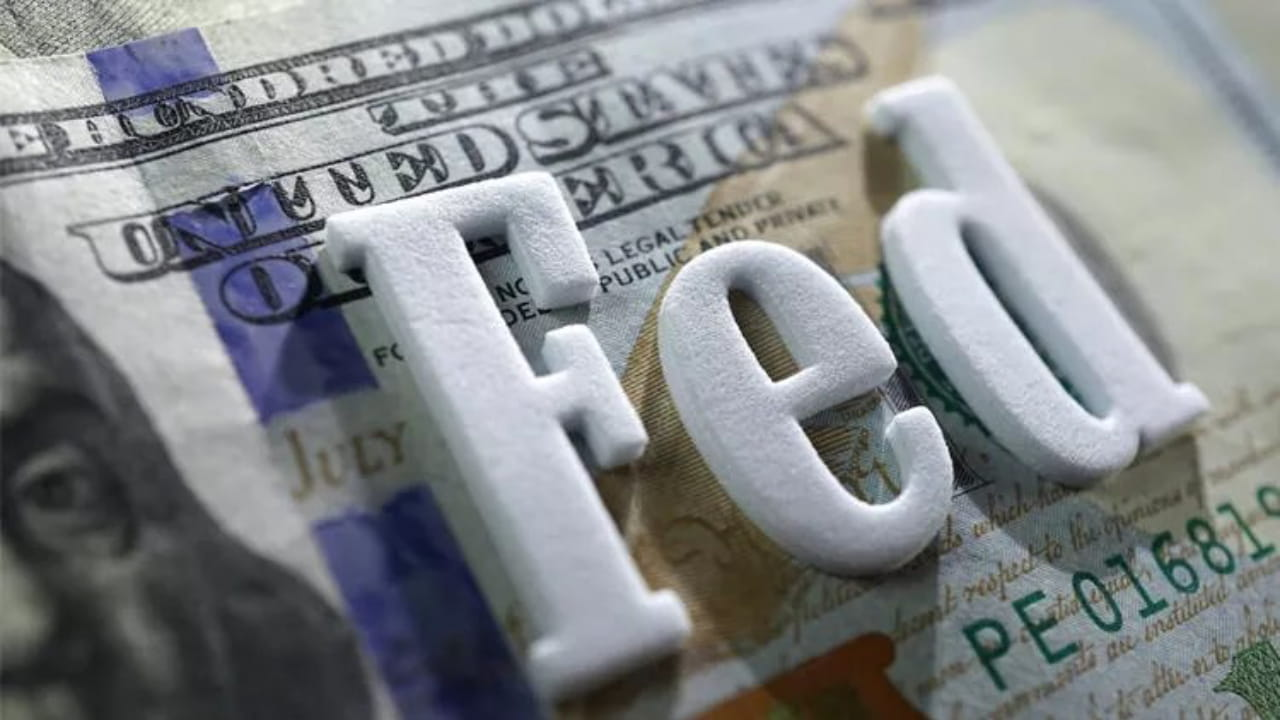
Fed Nearing Soft Landing in 2024 as Strong Jobs Report Eases Recession Fears

The U.S. economy has made a significant step toward achieving the elusive soft landing, following a robust September jobs report that exceeded expectations. The report suggests the Federal Reserve may have a clearer path to stabilizing inflation while maintaining economic growth without triggering a recession.

The September jobs data, showing a 254,000 increase in nonfarm payrolls, far exceeded the Dow Jones consensus of 150,000, bolstering confidence in the economy’s resilience. This surge, which follows upward revisions in August, marks a departure from the trend of slowing job growth seen since April and quells fears of a broader economic downturn.

Fed’s Strategy Moving Forward

With this strong jobs report, the possibility of the Fed implementing further drastic rate cuts, such as the half-percentage point cut seen in September, has largely been ruled out. Futures markets, following the report, now anticipate a quarter-point rate hike at the Fed’s November meeting and potentially another in December. Previously, a larger cut was expected for December, with more to follow in 2025.

Beth Ann Bovino, chief economist at U.S. Bank, reflected this optimism, stating, “We’ve been expecting a soft landing. This just gives us more confidence that it seems to remain in place.” She also mentioned the possibility of a “no-landing” scenario, suggesting that the economic strength could continue into 2025, even beyond current forecasts.

A Complex Job Market Picture

While the headline job growth is promising, over 60% of the gains came from sectors like food services, health care, and government, which have benefited from fiscal spending. The report also raised some technical concerns, such as a low response rate from survey participants, which could lead to downward revisions in the future.

Despite these potential caveats, the broader economic outlook has improved. However, Kathy Jones, chief fixed income strategist at Charles Schwab, pointed out that the Fed now faces a policy dilemma, especially given the surprising strength of the labor market.

Policy Implications for the Fed

The Federal Open Market Committee (FOMC) is set to meet on November 6-7, just after the U.S. presidential election. This timeline gives the Fed more data to evaluate, including inflation reports and consumer spending patterns. One critical question is whether the Fed will need to revise its estimate of the neutral interest rate—the rate at which the economy neither accelerates nor slows down.

Some experts, including David Royal from Thrivent, speculate that the Fed may not have implemented such a large 50 basis point rate cut in September had it been aware of the strength in the jobs market. The report has also sparked discussions about potential miscalculations in forecasting, with many analysts surprised by the robust figures.

Kathy Jones adds, “The Fed has a lot of figuring out to do. Do they pause? Do they raise by 25 basis points because they’re still far from neutral? They need to weigh this report against other data that might not be as strong.”

Economic Strength Amid Inflation Concerns

The overall sentiment is that the U.S. economy is in a stable place, even as inflation concerns persist. The jobs market’s resilience, alongside a declining pace of price increases and stabilizing interest rates, provides an optimistic outlook for 2024. The Federal Reserve now has room to maneuver, balancing inflation control with sustained economic growth.

Elizabeth Renter, senior economist at NerdWallet, remarked, “We’ve witnessed a pretty remarkable economy over the past few years, despite some naysayers. The economic aggregates tell us the U.S. economy has been and is strong.”

With continued strength in the labor market and a carefully measured approach by the Fed, the prospect of a soft landing seems increasingly plausible, providing a positive outlook as the U.S. heads into 2024.
 

U.S. Port Workers and Operators Reach Deal to End East Coast Strike Immediately

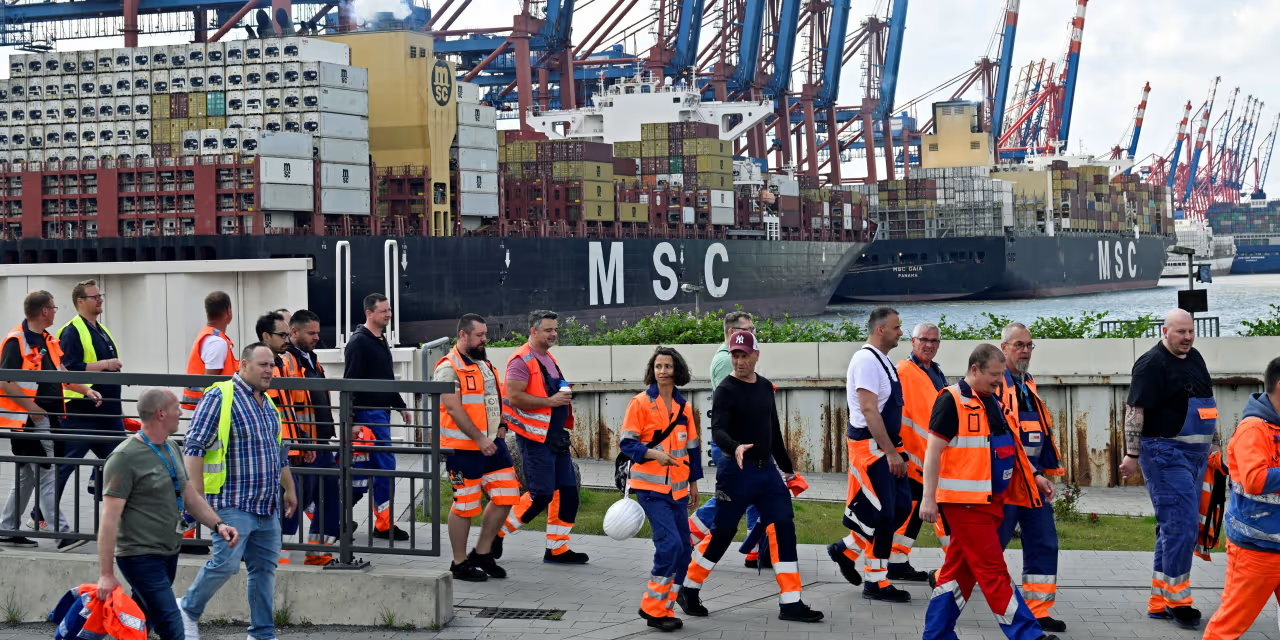
U.S. dock workers and port operators have reached a tentative agreement that will immediately end the crippling three-day strike that had shut down shipping across the East Coast and Gulf Coast. The deal, announced Thursday, includes a wage hike of around 62% over six years, raising average wages from $39 an hour to about $63 an hour, according to sources familiar with the negotiations.

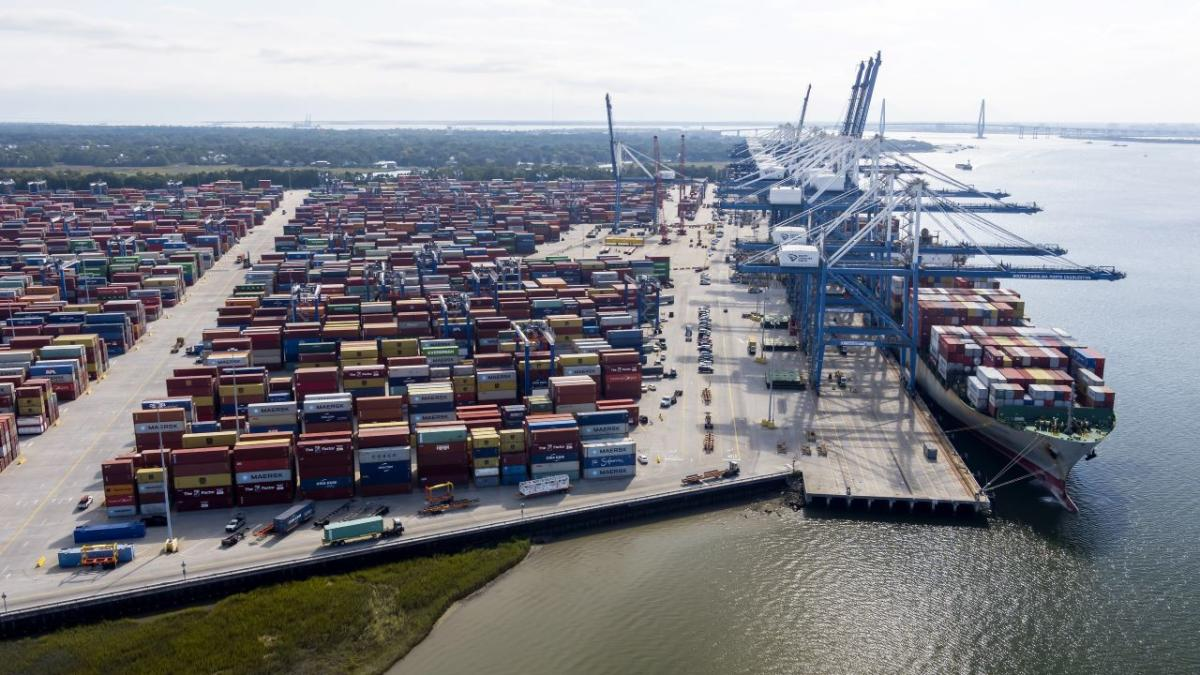
The strike, led by the International Longshoremen’s Association (ILA) and affecting 45,000 port workers, was the largest work stoppage of its kind in nearly 50 years. It caused significant delays in unloading container ships from Maine to Texas, resulting in backlogs of anchored ships and threatening supply shortages across the country. Critical supplies, from food to auto parts, were held up due to the strike, which impacted 36 major ports, including those in New York, Baltimore, and Houston.

The wage increase comes after the ILA initially sought a 77% raise, while the United States Maritime Alliance (USMX), representing the employers, had previously offered nearly a 50% increase. The two sides also agreed to extend their master contract until January 15, 2025, allowing more time to negotiate unresolved issues, including the contentious topic of port automation, which the union argues could lead to significant job losses.

Harold Daggett, the ILA’s president, had voiced concerns about automation, accusing companies like Maersk and APM Terminals of pushing projects that would reduce jobs. The Biden administration supported the union’s demands for higher wages, citing the shipping industry’s substantial profits since the COVID-19 pandemic and applying pressure on port operators to reach an agreement.

President Joe Biden welcomed the tentative deal, calling it “critical progress towards a strong contract” and affirming the importance of collective bargaining. The White House had been heavily involved in facilitating the agreement, with Chief of Staff Jeff Zients leading early morning discussions with shipping CEOs to emphasize the urgency of reopening ports, particularly in light of hurricane recovery efforts in southeastern states. By midday Thursday, port operators had agreed to a higher offer, leading to a breakthrough in negotiations.

The port strike, which began on Tuesday, marked the ILA’s first major work stoppage since 1977 and had already resulted in at least 45 container ships anchored outside East and Gulf Coast ports by Wednesday, a sharp increase from the three ships seen before the strike. Analysts at JP Morgan estimated that the strike was costing the U.S. economy approximately $5 billion per day.

Industry leaders, such as the National Retail Federation and National Association of Manufacturers, expressed relief at the resolution, calling the decision to end the strike “good news” for the economy and supply chains. However, they urged both parties to quickly finalize a lasting deal to prevent further disruptions.

While economists noted that the short-term strike may not lead to immediate price hikes due to companies accelerating shipments before the strike, they warned that a prolonged stoppage could eventually affect consumer prices, particularly for food items.

East and Gulf Coast Ports Strike Halts Billions in Trade

The U.S. East Coast and Gulf Coast ports were brought to a standstill on October 1 after members of the International Longshoremen’s Association (ILA) walked off the job at 14 major ports. The strike, involving around 50,000 ILA workers, follows the expiration of the union’s contract with the United States Maritime Alliance (USMX) and ongoing disputes over wage increases and automation usage. This labor action threatens to cost the U.S. economy billions, with industries relying on these ports already feeling the strain.

Despite last-minute efforts, including a nearly 50% wage increase offer from the USMX over six years, the ILA rejected the proposal, leading to widespread disruption. The affected ports include critical hubs such as New York/New Jersey, Boston, Baltimore, Savannah, and Houston. New York Governor Kathy Hochul acknowledged the severity of the situation, noting the first large-scale eastern dockworker strike in nearly five decades and the state’s preparedness to mitigate supply shortages.

ILA President Harold Daggett, who has been outspoken in his opposition to the USMX’s offers, rallied members by emphasizing the historical significance of the strike, stating, “They can’t survive too long.” The impact of the strike has already started to ripple through the U.S. economy, with experts warning of severe consequences depending on the duration of the work stoppage. Adam Kamins, an economist at Moody’s Analytics, noted that a short strike would cause backlogs, while a prolonged disruption could lead to supply shortages and increased prices, particularly affecting the food and automobile industries.

The strike has further complicated the recovery from Hurricane Helene, which recently caused port delays and power outages across Southeast and Gulf Coast regions. Supply chain experts like Shana Wray of FourKites highlighted that the strike worsens the congestion already caused by the hurricane, particularly for ports in Charleston and Savannah.

The pharmaceutical industry is among the sectors hardest hit by the strike. Noushin Shamsili, CEO of Nuco Logistics, emphasized the critical timing of the strike, which comes as pharmaceutical companies are replenishing inventories. The East Coast ports serve as vital entry points for active pharmaceutical ingredients (APIs) from India and Europe, essential for drug manufacturing in the U.S.

Retailers are also bracing for significant delays. Steve Lamar, CEO of the American Apparel and Footwear Association, expressed concern over the timing, noting that the strike could disrupt the holiday shopping season. Major importers like Walmart, Home Depot, and Ikea are scrambling to find alternative solutions, but options are limited, as the West Coast ports are unlikely to absorb the redirected cargo due to union solidarity with the ILA.

The last major ILA strike occurred in 1977, with West Coast dockworkers joining in solidarity. With the Teamsters already pledging support and refusing to cross picket lines, this strike has the potential to disrupt nearly half of all U.S. imports. The Biden administration, led by Transportation Secretary Pete Buttigieg and Acting Labor Secretary Julie Su, has been involved in attempts to bring both sides back to the negotiating table, but the ILA remains steadfast in its demands.

The Taft-Hartley Act, which grants the president power to suspend strikes for 80 days in cases of national emergency, has been brought up in discussions. However, the White House has repeatedly stated that it has no intention of invoking the act to force workers back to their jobs. With billions in trade hanging in the balance, pressure is mounting for a resolution, but both sides remain entrenched in their positions.