
Yazılar

Gold’s Record-Breaking Rally Signals Economic Uncertainty

The gold market is experiencing a significant rally in 2024, with gold futures hitting new highs, most recently reaching $2,687.30 before retreating. This surge comes after the Federal Reserve’s aggressive half-point interest rate cut, reflecting growing concern about the U.S. economy’s health. Gold, traditionally seen as a safe-haven asset, has risen 30% this year, outperforming the S&P 500’s 20% gain. The rally is driven by central banks, particularly in China, Turkey, and India, diversifying away from the U.S. dollar and stockpiling gold.

However, the strong demand for gold also signals ongoing concerns about economic stability. Investors often flock to gold during times of uncertainty, viewing it as a more secure store of value compared to stocks, bonds, or currencies during a potential downturn. While stock markets have hit fresh highs, the Federal Reserve’s rate cut indicates potential weaknesses in the U.S. economy, especially as unemployment has risen slightly to 4.2%, up from 3.8% a year ago.

Fresh data from the Conference Board’s consumer confidence index shows declining sentiment among Americans, with the index dropping from 105.6 in August to 98.7 in September. This pessimism adds to investor anxiety, suggesting that the Fed’s rate cut may be more of a “crisis cut” than a proactive measure, as stated by Kristina Hooper, Chief Global Market Strategist at Invesco.

The appeal of gold is also heightened by the Fed’s ongoing rate-cutting strategy. JPMorgan Chase researchers project gold to climb further, targeting $2,850 an ounce by 2025 as interest rates fall. With the Fed planning more cuts this year and in 2025, gold’s allure surpasses that of U.S. Treasuries, whose yields have fallen below the 4% highs seen just months ago.

In addition to gold, silver is also surging, up 34% this year. Silver’s rally, while often linked to economic optimism due to its industrial uses in electronics, solar energy, and infrastructure, is also benefiting from the same economic conditions driving gold. Demand for silver is expected to rise due to clean energy transitions and China’s solar and electric vehicle markets.

China’s recent efforts to revitalize its economy, including rate cuts and other measures, are also contributing to the strength of precious metals like gold and silver. Will Rhind, CEO of GraniteShares, is optimistic about gold’s future, citing these global economic trends as ongoing drivers for its rally.
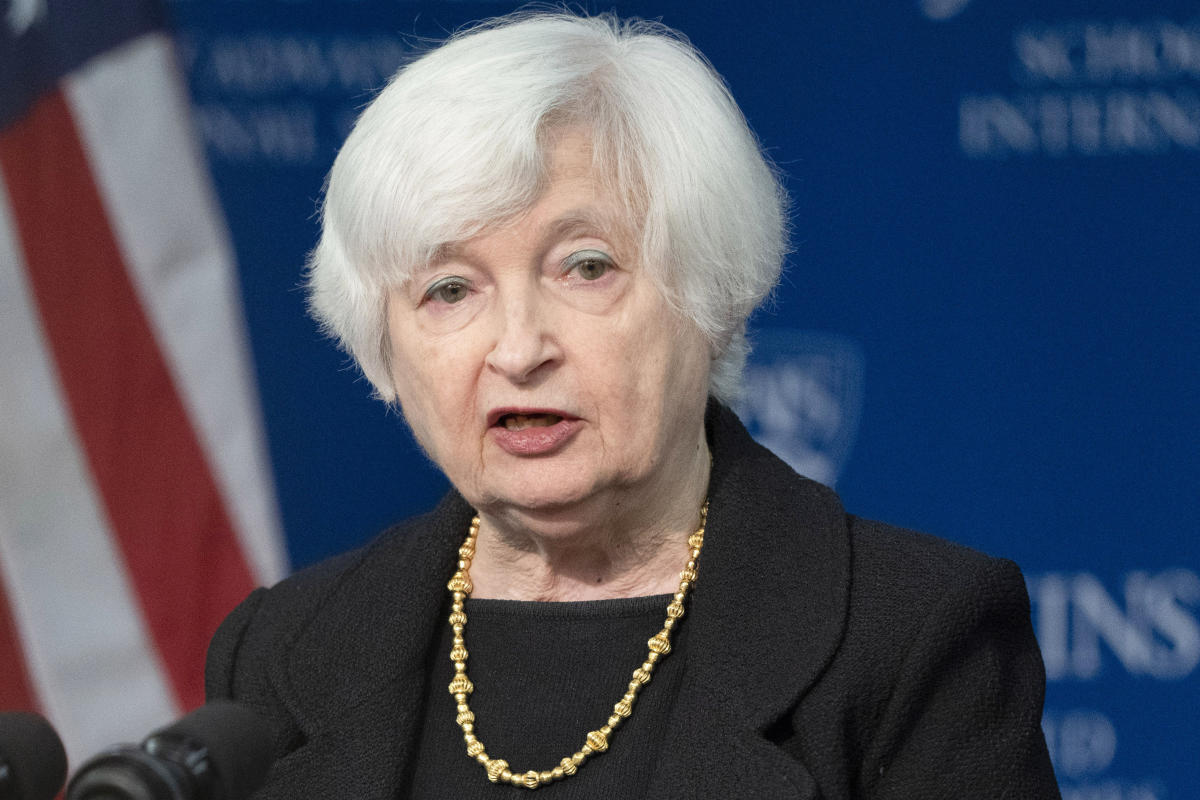
Yellen Confident in U.S. Economy, Sees Path to ‘Soft Landing’ Without Major Layoffs

Treasury Secretary Janet Yellen reassured the public on Saturday that the U.S. economy remains robust, despite recent weak job reports that have unsettled investors and led to stock market declines. Speaking at the Texas Tribune Festival in Austin, Yellen acknowledged a slowdown in job growth compared to the post-pandemic hiring frenzy but emphasized that the economy is “deep into a recovery” and “operating at full employment.” She noted that while job openings have decreased, significant layoffs have not materialized, indicating economic stability. Yellen also pointed to the Federal Reserve’s ability to reduce inflation without triggering a recession, describing the current situation as a “soft landing.” Her comments followed the release of nonfarm payroll data for August, which showed lower-than-expected job growth but a slight dip in the unemployment rate to 4.2%. The Treasury Secretary remained optimistic about the economy’s trajectory, downplaying fears of an imminent recession.


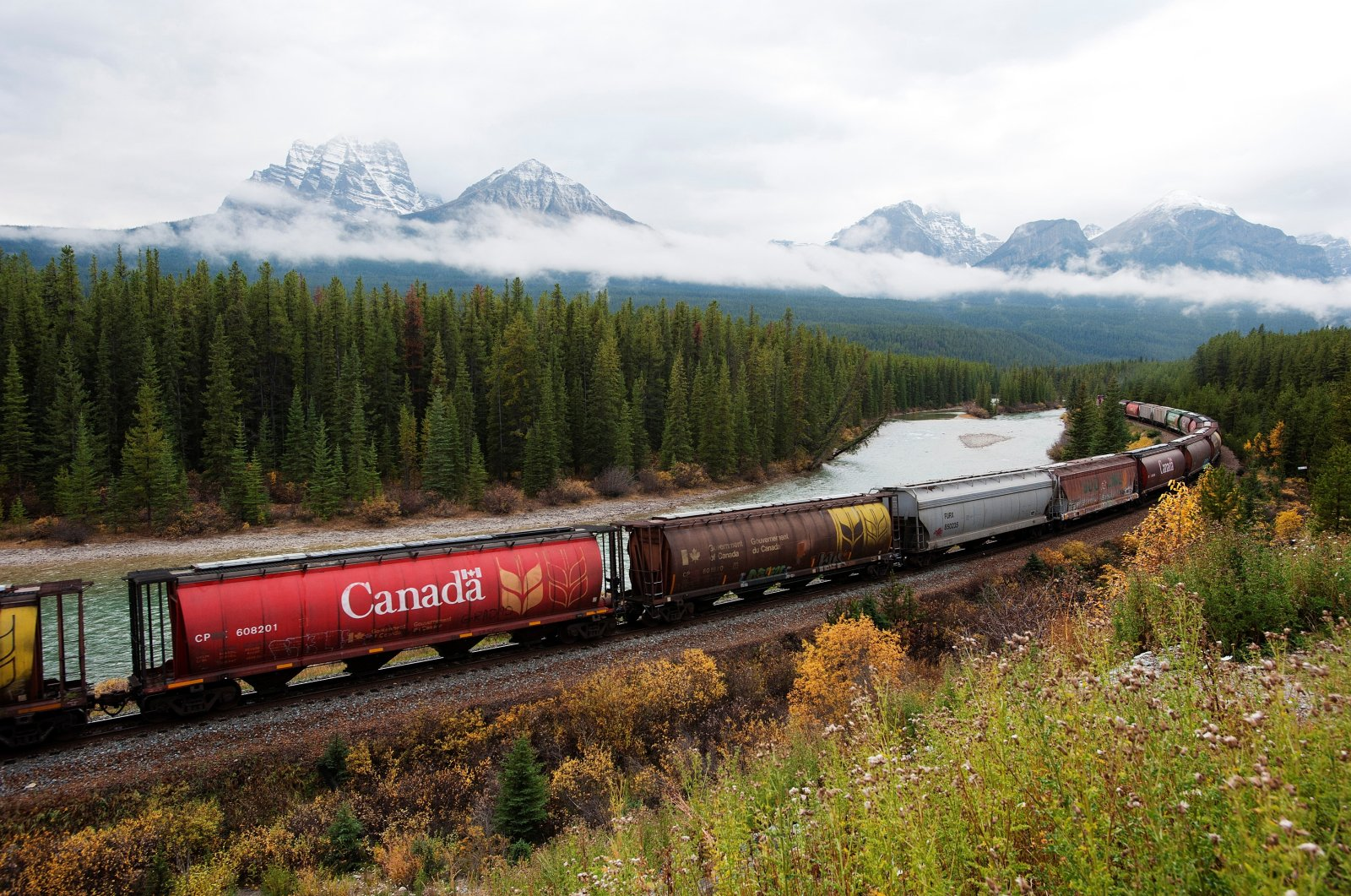
Canadian Freight Railroads Shutdown Threatens North American Economy Amid Labor Dispute

Canada’s two major freight railroads, Canadian National (CN) and Canadian Pacific Kansas City Southern (CPKC), have locked out nearly 9,000 Teamsters union workers, halting operations and sparking concerns of severe economic disruption across Canada and the United States. This unprecedented shutdown could have widespread effects on various industries, including agriculture, autos, home building, and energy, especially considering that nearly one-third of the freight handled by these railroads crosses the U.S.-Canadian border.

The timing of the lockout, right before the fall peak shipping season, adds further urgency to the situation. Essential goods, from Canadian grain and U.S. fertilizer to Christmas gifts arriving at ports, may face delays. Economists warn that a multi-day shutdown could inflict economic damage running into the billions of dollars. The lockout underscores the interconnected nature of the U.S. and Canadian economies, where a stoppage of rail services could lead to temporary shutdowns in manufacturing plants and shortages in critical supplies.

The railroads justify the lockout as a preventive measure against a potential strike during the peak shipping season, citing the importance of protecting supply chains. Meanwhile, the Teamsters argue that the railroads’ demands compromise worker safety and disrupt family lives, with the union pushing for a contract that prioritizes safety and reasonable working conditions.

Efforts by Canada’s Labor Minister Steve MacKinnon to mediate the situation have so far failed to yield a resolution. The railroads have called for the government to refer the dispute to binding arbitration, while the union opposes such a measure. The lack of an agreement threatens to deepen economic woes, with both the U.S. and Canadian Chambers of Commerce urging immediate action to avert further damage to integrated supply chains.

The railroads have already taken steps to prevent hazardous materials from being stranded on halted trains, further contributing to supply chain disruptions. Experts warn that even a short-lived shutdown could take weeks to fully unwind, with shipments ending up far from their intended destinations and businesses already experiencing delays. The situation remains tense as pressure mounts on Canadian Prime Minister Justin Trudeau’s administration to step in and broker a solution to avoid further economic fallout.