Yazılar

Tesla to Resume Shipping Chinese Parts for Cybercab, Semi After U.S.-China Tariff Truce

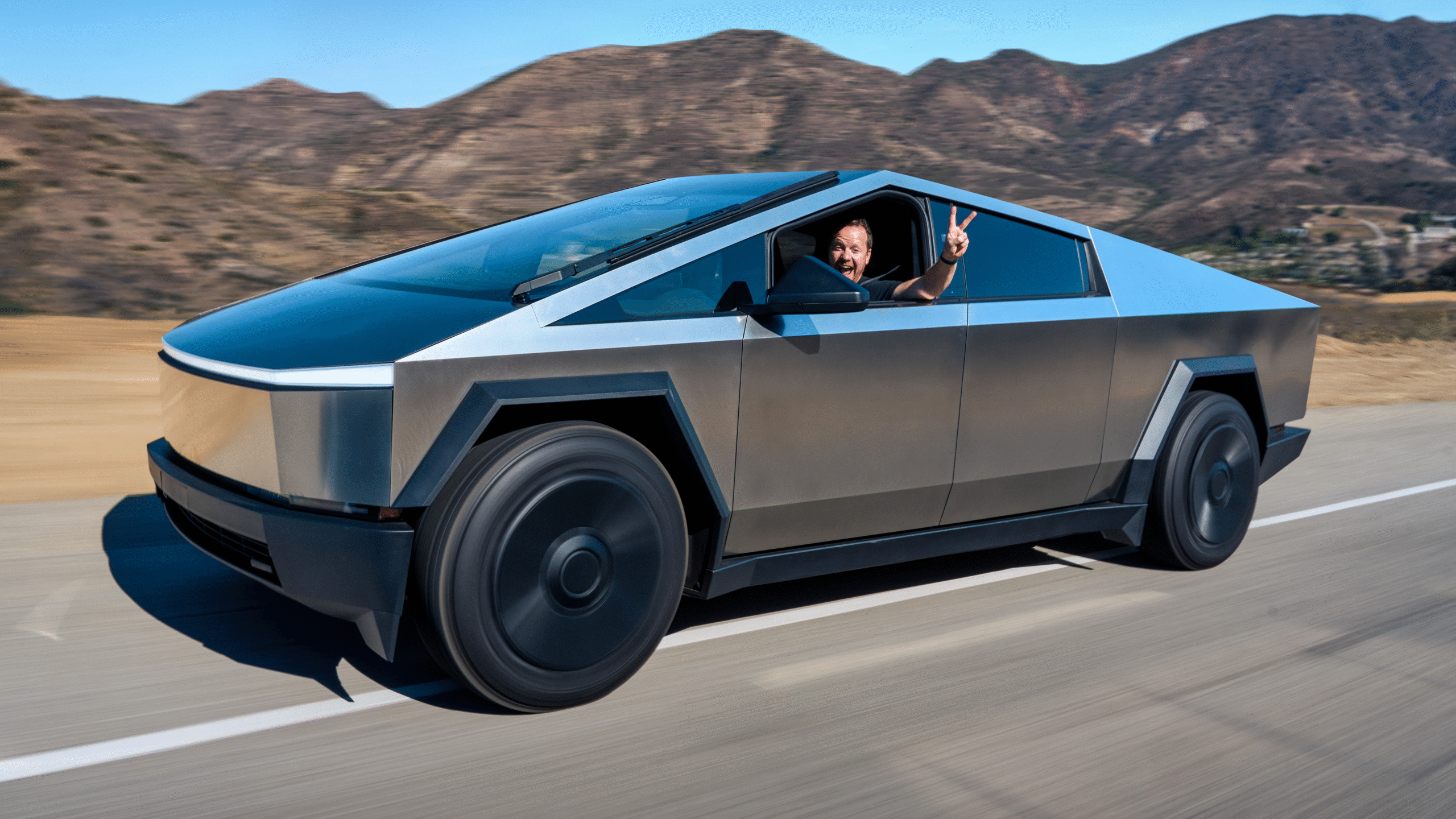
Tesla will resume shipping components from China to the U.S. later this month to support the production of its upcoming Cybercab and Semi truck models, according to a source familiar with the matter. The move follows a tariff truce between the U.S. and China reached over the weekend in Geneva, signaling a swift return to cross-border manufacturing cooperation after months of uncertainty.

The temporary resolution of the trade conflict prompted Tesla to reverse an earlier decision to halt component imports due to U.S. tariff hikes to 145% on Chinese goods, which had jeopardized the company’s production timelines for the two flagship vehicles.

Key Details:

  • Component shipments from China will resume by the end of May.

  • Tesla plans to begin trial production of the Cybercab and Semi in October, with mass production slated for 2026.

  • The Cybercab will be produced in Texas, while the Semi will be built in Nevada.

The truce saw the U.S. and China agree to roll back the bulk of tariffs and countermeasures, but sources warn the deal’s stability remains uncertain given the Trump administration’s unpredictable stance.

Tesla has not yet issued a public comment on the development.

Background and Industry Impact

Tesla had previously paused shipment plans, citing the potential cost burden from Trump’s tariff increases. The sudden rollback of trade barriers appears to be a direct response to high-level negotiations and business pressure. Tesla CEO Elon Musk, a known critic of protectionist trade policies, had personally lobbied for reduced tariffs.

I do believe in free trade and tariffs are a mistake,” Musk said on a recent earnings call, noting that the import duties were hurting Tesla’s capital investment plans.

Tesla CFO Vaibhav Taneja also emphasized that tariffs were slowing domestic factory expansions, as much of the necessary machinery and technology comes from Chinese suppliers.

Production Plans

  • The Cybercab is envisioned as a steering wheel-free robotaxi, priced below $30,000, and aimed at powering a future Tesla ride-hailing network.

  • The Semi, a long-haul electric truck, is years behind schedule, and Tesla now aims to ramp up production in 2026 to fulfill orders from clients like PepsiCo.

The tariff rollback provides Tesla with a critical window to import parts, maintain supply chain continuity, and accelerate next-generation product launches without additional pricing pressure or project delays.
GlobalFoundries Forecasts Stronger Q2 Amid Stable Demand and Tariff Tailwinds

GlobalFoundries (GFS.O) on Tuesday projected second-quarter revenue and profit slightly above Wall Street expectations, indicating stable demand despite industry-wide pressures from tariffs, smartphone weakness, and policy uncertainty.

The U.S.-based contract chipmaker expects Q2 revenue of $1.68 billion (±$25 million) and adjusted earnings of 36 cents per share5 cents). Analysts polled by LSEG had anticipated $1.67 billion in revenue and 35 cents per share in profit. The positive forecast comes after the company posted Q1 revenue of $1.59 billion, slightly ahead of estimates, and adjusted earnings of 34 cents, beating forecasts of 28 cents.

While smartphone demand, its largest revenue stream, remains under pressure, GlobalFoundries said its automotive chip segment showed year-over-year growth in Q1. This resilience comes amid U.S. President Donald Trump’s global tariff strategy, which has already imposed levies on foreign-made autos – the company’s third-largest market.

Interestingly, CEO Thomas Caulfield noted that U.S. tariffs on foreign-made chips could benefit domestic manufacturers like GlobalFoundries by prompting customers to shift production to U.S.-based fabs. However, broader uncertainty around the CHIPS Act, which includes $52.7 billion in U.S. subsidies for domestic chip production, continues to cloud the industry’s long-term outlook.

Meanwhile, speculation of a potential merger with Taiwanese United Microelectronics Corp (UMC) resurfaced in March, although UMC denied any ongoing talks in April.

Despite the policy fog and shaky smartphone sector, GlobalFoundries appears cautiously optimistic heading into Q2 – signaling potential resilience among U.S.-based chipmakers navigating a turbulent geopolitical landscape.

Corning Partners with U.S. Solar Manufacturers to Produce All-American Solar Panels

Corning, a global technology company, has announced a partnership with U.S. solar manufacturers Suniva and Heliene to produce the only solar panels made entirely from American-made components. This collaboration marks a significant step in strengthening the U.S. solar manufacturing sector, which aims to compete with China in the global market.

Georgia-based Suniva, which specializes in solar cells, and Heliene, a panel manufacturer based in Canada with production facilities in Minnesota, will combine their efforts with Corning. Corning, along with its subsidiary Hemlock Semiconductor, produces key materials for solar panels, including silicon wafers and polysilicon, in Michigan.

AB Ghosh, Corning’s vice president and general manager of solar technologies, emphasized the company’s excitement about leveraging its advanced manufacturing capabilities to enhance the quality of solar components while securing the U.S. energy supply chain.

This partnership comes as part of a broader effort to bolster U.S. solar manufacturing, driven in part by tax incentives in the 2022 Inflation Reduction Act, which has fueled the growth of clean energy factories across the country. Despite shifts in the political landscape, clean energy companies continue to push for policies that not only address climate change but also support American energy production and job creation.

The new solar panel module will feature up to 66% domestic content, the highest of any solar panel currently on the market. This product will help solar developers qualify for a 10% domestic content tax credit on top of the 30% base credit provided by the Inflation Reduction Act.