Yazılar

Jim Cramer Advises Caution on Tesla Stock After Cybercab Debut Flops

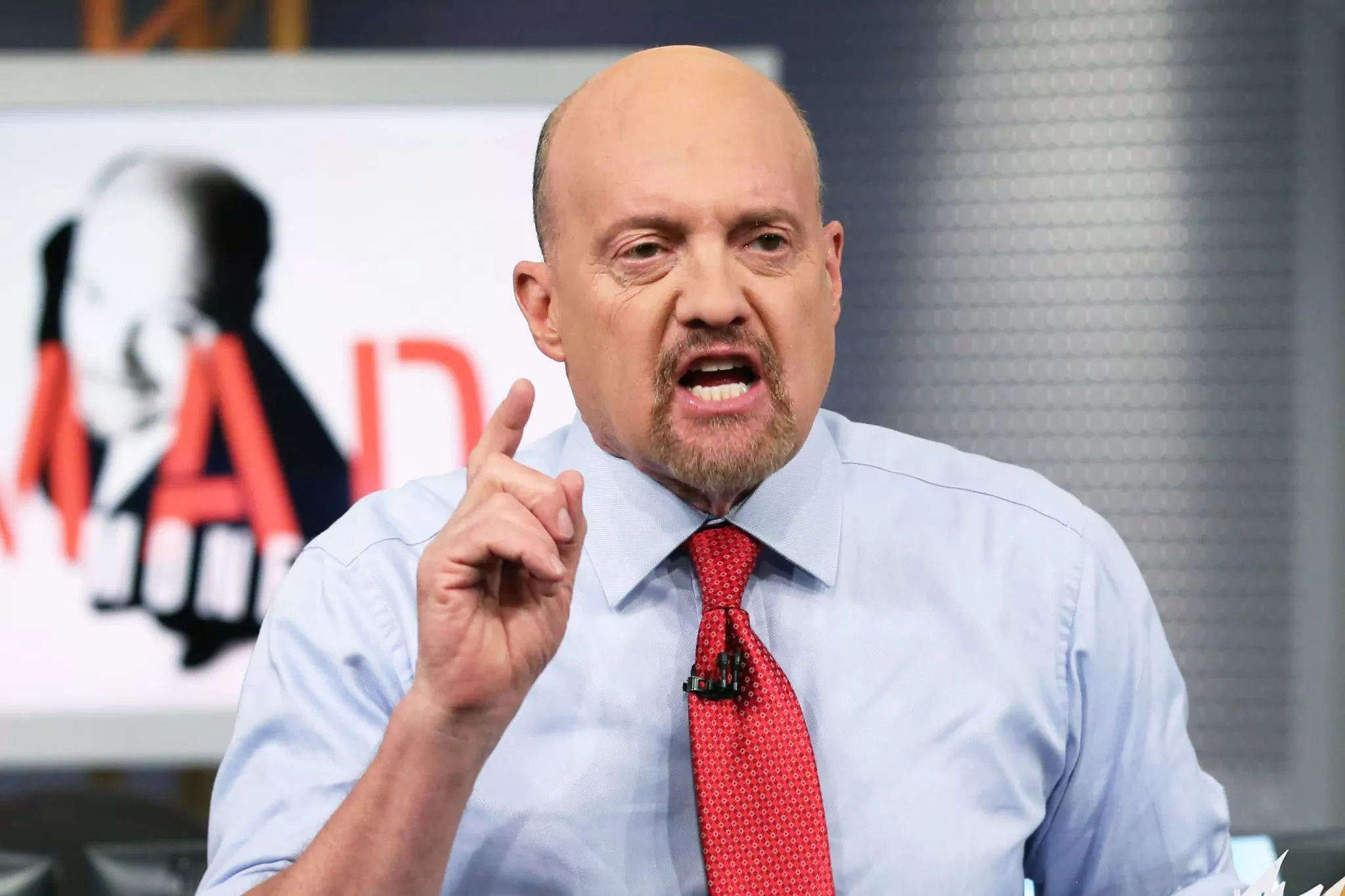
After Tesla’s highly-anticipated Cybercab debut underwhelmed investors, CNBC’s Jim Cramer urged caution for those holding Tesla stock. Despite the excitement surrounding the unveiling of Tesla’s new robotaxi, the event fell short of delivering crucial details, leading Cramer to recommend a neutral approach to the stock.

During his show, Mad Money, Cramer commented that while Tesla CEO Elon Musk presented a visually impressive robotaxi concept, the lack of substantive information about the vehicle’s costs and rollout timeline left much to be desired. Cramer noted that investors should “stay on the sidelines” for now, as Tesla’s future in autonomous driving is still unclear.

Disappointing Market Reaction

Tesla, which has struggled with weak financial quarters earlier this year, needed a significant win to regain momentum. Musk had teased self-driving technology as a way to differentiate Tesla from other electric vehicle (EV) makers, especially as competition from Chinese EV companies intensifies. However, the Cybercab event failed to meet market expectations, and by the close of trading on Friday, Tesla shares had dropped 8.78%.

Cramer acknowledged that while it’s tempting to short Tesla stock after such a significant market reaction, he advised against it, calling it “dangerous to bet against Elon Musk.” The uncertainty around Tesla’s autonomous driving capabilities has caused investors to question whether Tesla can make the transition from being seen purely as an EV maker to a legitimate player in the self-driving space.

Competitive Landscape

As Tesla stumbled, rideshare companies like Uber and Lyft saw their stocks rise, with Uber hitting an all-time high. The threat that Tesla’s robotaxis could pose to rideshare companies has seemingly diminished for now, as the lack of concrete details from Tesla’s event reassured investors that Cybercab won’t be disrupting the rideshare industry anytime soon.

Tesla’s challenge extends beyond the unveiling flop. Cramer emphasized that the EV market, once expected to be vast and profitable, has proven smaller than anticipated. For Tesla to successfully pivot to self-driving technology, it will need to offer more than flashy concepts and provide the kind of specific, actionable details investors and analysts crave.

In closing, Cramer reiterated his stance, advising investors to wait and see before making any moves with Tesla stock, given the uncertainty surrounding its autonomous driving ambitions.
Baidu’s Robotaxi Unit Eyes Global Expansion Amid Rising Competition

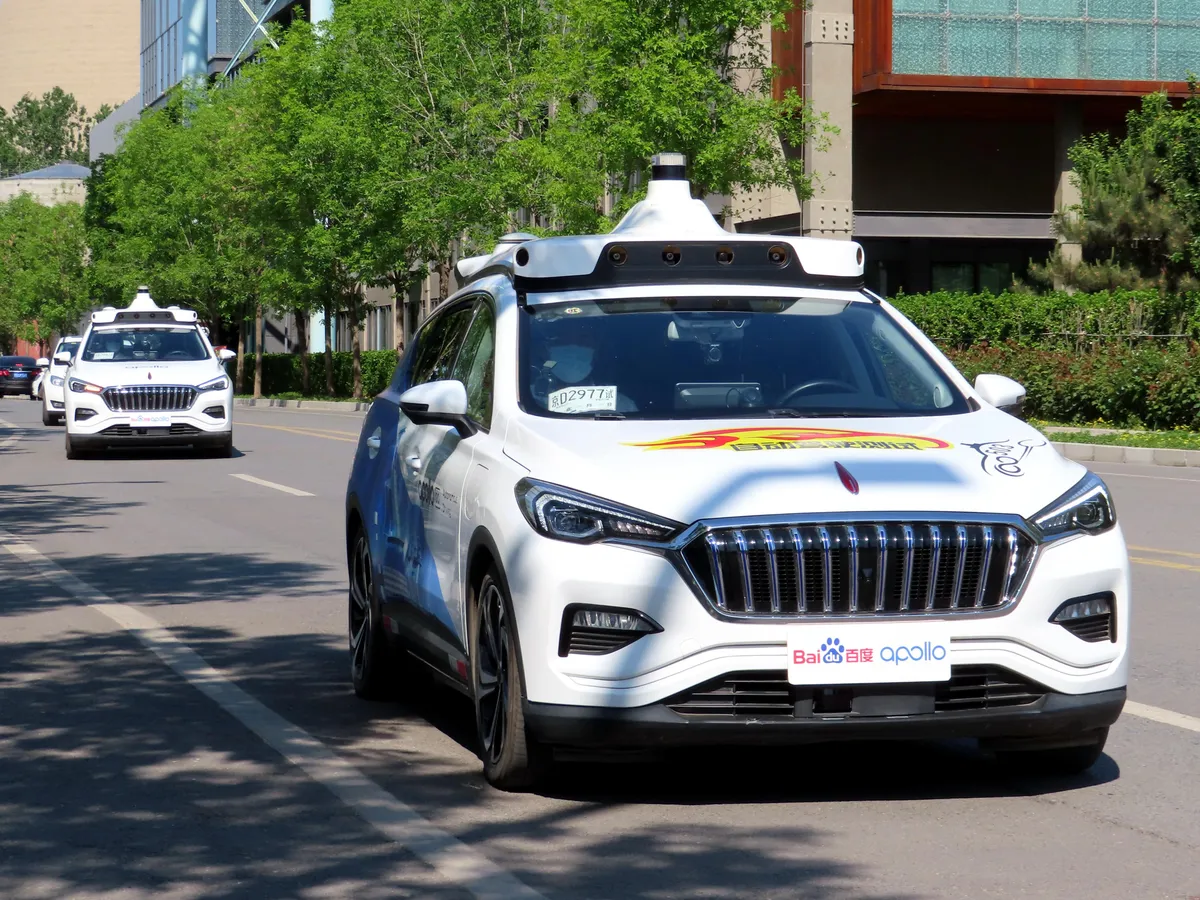
Baidu’s autonomous driving division, Apollo Go, is reportedly exploring potential expansion into international markets in the near future. According to an inside source, discussions with various firms are underway, although specifics on timelines or targeted regions have not yet been revealed.

Baidu is currently one of China’s leading operators in the robotaxi sector. The company has made significant strides in autonomous driving technology and has been allowed by local regulators in cities like Beijing and Wuhan to run commercial self-driving taxi services. Wuhan stands out as Apollo Go’s largest area of operation, where robotaxis have been in use beyond just testing phases.

The move toward global expansion comes amid increasing competition in the robotaxi space, particularly as Tesla gears up for its much-anticipated robotaxi event this Thursday. Another Chinese player in the field, WeRide, recently announced a partnership to integrate its autonomous vehicles with Uber’s ride-hailing platform in Abu Dhabi. However, that collaboration is not expected to extend to the U.S. or Chinese markets.

In July, electric vehicle giant BYD also teamed up with Uber to work on developing “autonomous-capable vehicles” for Uber’s platform, though no further details have been disclosed regarding this partnership.

In China, Baidu’s Apollo Go, along with other companies like Pony.ai, heavily subsidizes robotaxi rides to drive user adoption. While regulations currently mandate a human attendant to be present inside some of the autonomous vehicles for safety reasons, Baidu continues to push forward with its self-driving services. By late July, Apollo Go had reportedly completed over 7 million robotaxi rides.

On a separate note, Baidu announced changes to its executive leadership on Tuesday. Rong Luo, who was serving as the company’s Chief Financial Officer (CFO), will step down from that role to take on the position of Executive Vice President overseeing Baidu’s mobile ecosystem unit. Junjie He, the former head of the mobile division, will take over as interim CFO. The company characterized these shifts as part of a “management rotation.”


U.S. Supreme Court Rejects Uber and Lyft Appeal on California Driver Lawsuits

The U.S. Supreme Court has denied an appeal by Uber and Lyft, refusing to block lawsuits brought by California against the ride-hailing giants. These lawsuits, initiated by the state’s attorney general and labor commissioner, claim the companies owe compensation to drivers misclassified as independent contractors rather than employees. The legal fight revolves around whether drivers, who had agreed to private arbitration for disputes, can still be represented in state lawsuits.

Uber and Lyft have argued that under federal law, states cannot pursue legal action on behalf of individuals who signed arbitration agreements. This principle affects not only millions of gig economy workers but also a wide range of consumers who accept similar terms of service for various products or services. However, a California appeals court ruled against this claim, and the state’s highest court refused to review the case further, prompting the companies to take the matter to the U.S. Supreme Court, which declined to hear the case.

The companies maintain that they are not employers of gig workers, arguing that these workers benefit from the flexibility of being independent contractors. Nonetheless, California, along with several other states, contends that this classification deprives drivers of basic employment protections like minimum wage, overtime, and reimbursements for work-related expenses.

Uber and Lyft have supported state ballot measures, such as California’s Proposition 22, which allows them to continue treating drivers as contractors while offering limited benefits. In 2020, this measure was overwhelmingly approved by voters, and in July 2023, California’s top court upheld it. Despite this, the companies continue to face legal battles over driver classification.

Similar lawsuits have emerged in other states, including Massachusetts, where Uber and Lyft agreed in June to pay $175 million and adopt a minimum hourly pay of $32.50 for drivers. Although the companies face multiple legal challenges from drivers nationwide seeking employee status, many of these cases have been directed to arbitration due to the widespread use of arbitration agreements.