Yazılar

Fiserv Expands Gig-Economy Financing with $140 Million Acquisition of Payfare

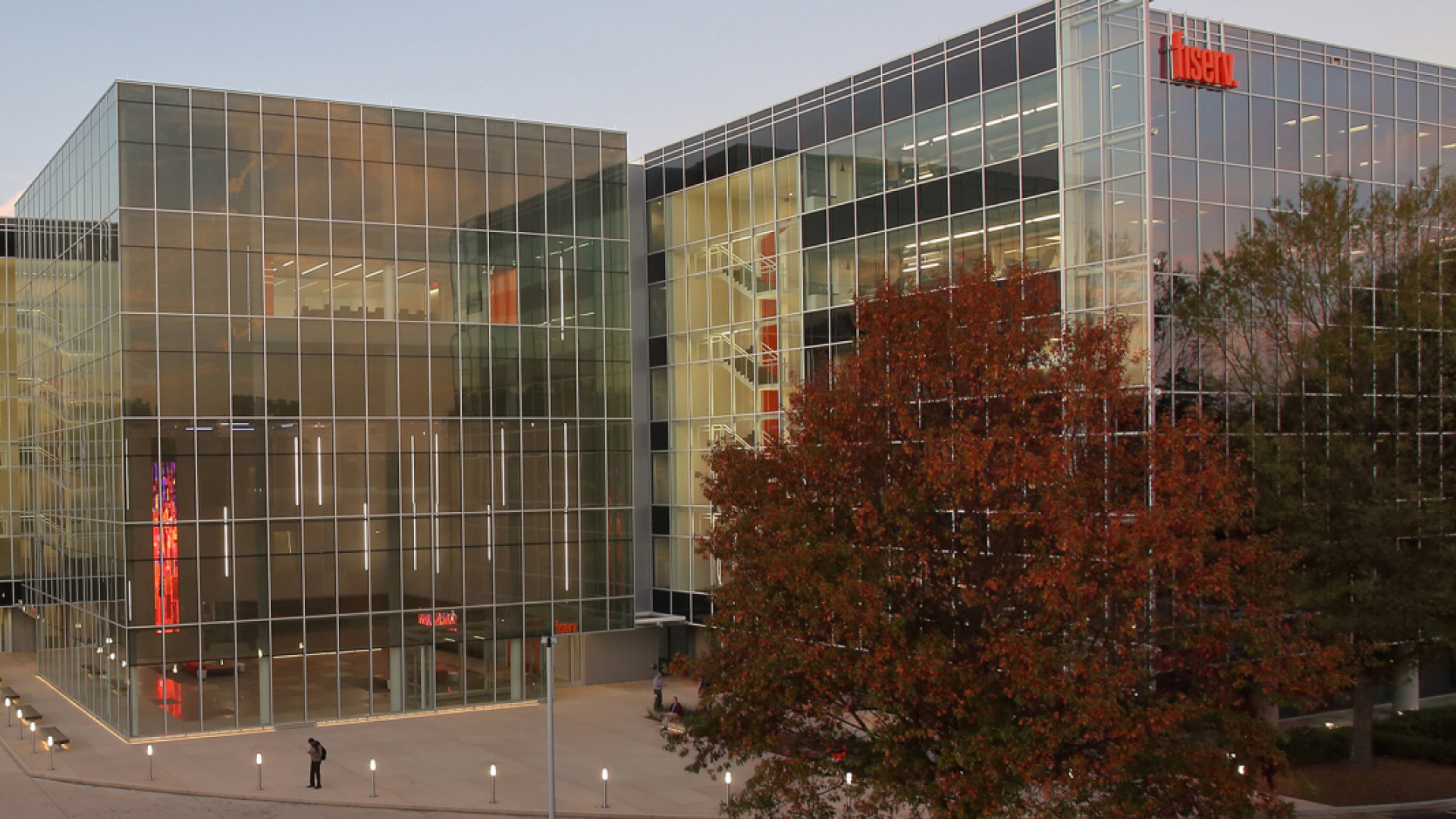
U.S. fintech giant Fiserv (FI.N) has announced the acquisition of Canada’s Payfare (PAY.TO) in a deal valued at C$201.5 million ($140 million). This move is part of Fiserv’s strategy to broaden its payment services for gig-economy workers. The acquisition follows Payfare’s strategic review, which was triggered by the announcement that its partnership with DoorDash (DASH.O) for the DasherDirect card program would not be renewed beyond early 2025, causing a significant drop in Payfare’s stock value.

Fiserv’s offer to purchase Payfare’s shares at C$4 each represents a 90% premium over the company’s last closing price but is significantly lower than its stock price before the DoorDash news. This acquisition is expected to give Fiserv a stronger foothold in the rapidly growing gig economy, where workers often rely on digital banking platforms for urgent financial needs.

Payfare’s partnerships with major gig-economy platforms such as Uber (UBER.N) and Lyft (LYFT.O) will be a valuable asset to Fiserv as it expands its embedded finance services. The deal is expected to close in the first half of next year and may mark one of the final initiatives of Fiserv CEO Frank Bisignano, who is set to head the Social Security Administration under President-elect Donald Trump.

The growing demand for fintech services, especially for early wage access, has been highlighted by a 90% year-over-year increase in transactions processed by fintech providers. The deal aligns with Fiserv’s strategic focus on expanding its technology offerings and presence in the embedded finance space.

Payfare’s shares surged by 78% following the announcement, although they have fallen nearly 66% over the course of this year. Meanwhile, Fiserv’s stock has seen a 55% increase.

Uber Debuts Its First Robotaxi Service Outside the US in Abu Dhabi

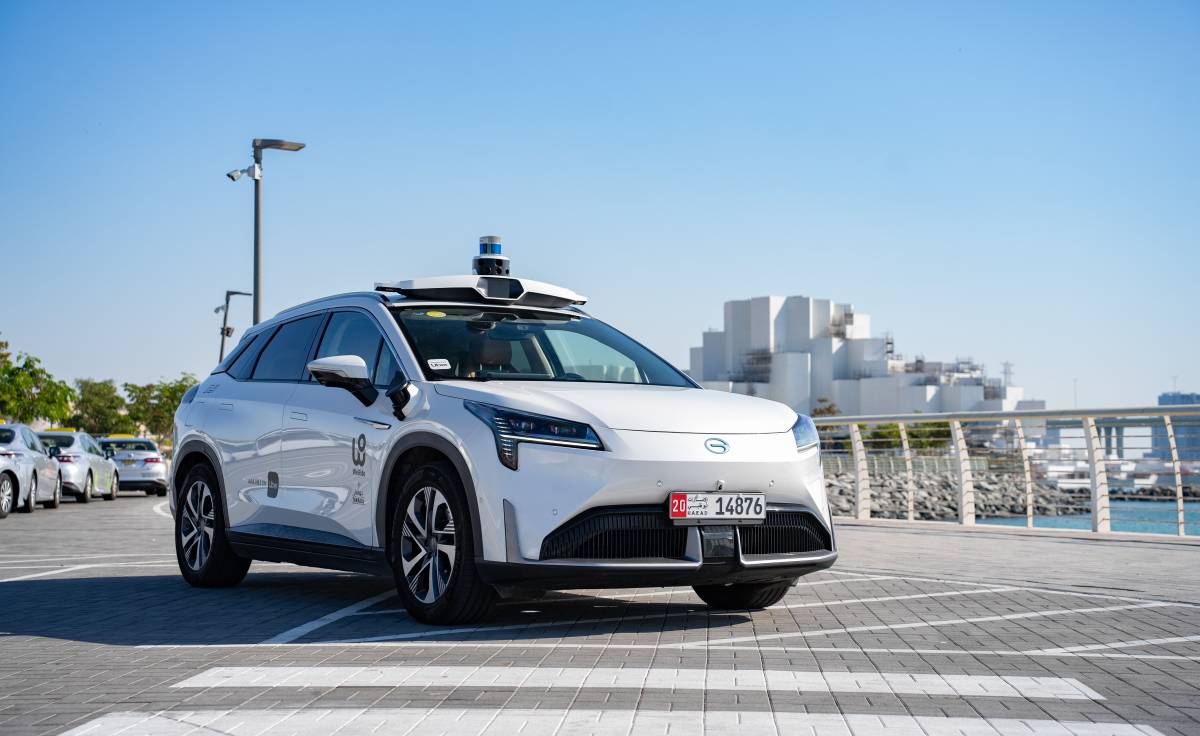
Uber Technologies has officially launched its first autonomous taxi service outside the United States, marking a significant milestone in its global expansion. The new service, which operates in Abu Dhabi, is a result of a partnership with WeRide, a Chinese autonomous vehicle company. Riders in the United Arab Emirates capital can now book self-driving vehicles at UberX or Uber Comfort rates, with service available in popular tourist areas such as Saadiyat Island, Yas Island, and routes to Zayed International Airport. The company has plans to extend the service area as demand grows.

Initially, safety operators will be present in the autonomous vehicles during the launch phase to ensure a smooth transition. However, Uber has set its sights on fully driverless rides by 2025, signaling its ambition to lead in the autonomous vehicle sector. This move is part of Uber’s broader strategy to dominate the emerging market of robotaxis, but without having to develop its own self-driving technology. Instead, the company has formed multiple strategic partnerships, including collaborations with Alphabet’s Waymo and investments in autonomous startups like WeRide.

Uber’s entry into the robotaxi market aligns with its ongoing efforts to stay ahead of the competition, particularly from other autonomous ride providers. While the company remains focused on partnerships, it faces growing competition from Waymo, which not only collaborates with Uber in some U.S. cities but also offers its own fully driverless rides through its consumer app in cities like San Francisco. With the autonomous vehicle market heating up, Uber’s success will depend on how quickly it can scale up its robotaxi operations and meet rising demand for driverless rides.

Despite Uber’s strategic moves, investors remain cautious about the company’s long-term prospects, especially as its business model is still heavily reliant on a large pool of human drivers. As autonomous vehicles continue to evolve, the company will need to balance the transition from human-driven to fully autonomous services while navigating the complexities of consumer adoption and regulatory hurdles.

Uber Launches Boat Hailing Service on Kashmir’s Dal Lake

Uber has introduced a new water transport service on Kashmir’s picturesque Dal Lake, offering rides on traditional Shikara boats, a popular attraction for both locals and tourists. This marks Uber’s first water transport service in India, although it has previously launched similar services in cities like London.

Customers can book Shikara rides through the Uber app, with bookings required 12 hours to 15 days in advance. However, Uber will not charge any fees on the rides; instead, all payments will go directly to the Shikara operators. This initiative aims to combine technology with tradition to provide a seamless booking experience.


Mixed Reactions from Shikara Operators

While some Shikara operators are optimistic about the service, believing it will help attract more business, others remain skeptical. Those in favor see it as an opportunity to offer fixed rates and avoid bargaining, while others believe it won’t significantly change their established customer base.