Yazılar

Lyft Shares Drop as Price Cuts Persist Amid Ongoing Competition with Uber

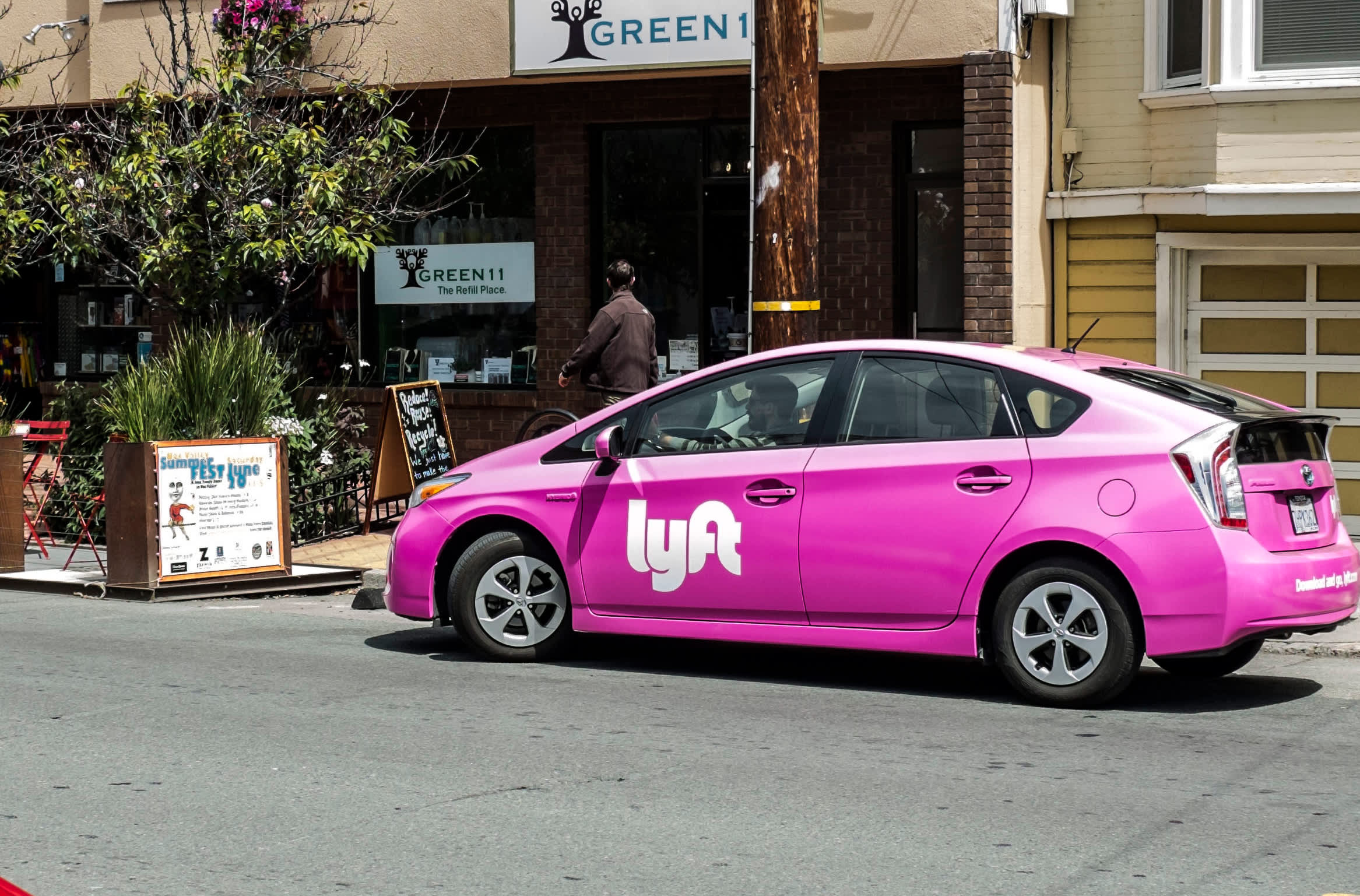
Lyft (LYFT.O) shares fell 9% on Wednesday after the company announced that pricing trends from late 2024 are likely to continue in 2025, driven by its efforts to stay competitive with rival Uber. Lyft has been cutting fares and offering more discounts to attract riders and drivers.

During its fourth-quarter report on Tuesday, Lyft revealed that fares fell late last year and have remained low in early 2025. In contrast, Uber stated last week that it expects slight price increases for its UberX service this year as it passes rising insurance costs on to consumers.

Lyft has been using coupons and fare reductions to retain market share. However, Bernstein analysts highlighted that U.S. rideshare companies are reallocating incentives, reducing driver incentives to fund customer promotions—a strategy that could work if properly balanced.

Lyft emphasized that it has flexibility in adjusting incentives to ensure marketplace balance, with a strong driver base currently on its platform. However, analysts at Needham cautioned that extended price cuts could test the industry’s price elasticity and overall demand.

Following Lyft’s fourth-quarter results, at least 13 brokerages lowered their price targets for the company, with a median target of $18, according to LSEG data. The company also projected gross bookings below Wall Street estimates, mirroring Uber’s recent guidance.

Lyft’s forward 12-month price-to-earnings ratio stands at 13.4, compared to Uber’s 29.4. While Lyft’s shares fell 13.9% in 2024, they have risen 11.6% so far this year. However, if the current share decline holds, Lyft’s market capitalization is expected to drop by over $500 million to around $5.4 billion. Uber’s shares were also down about 3% on Wednesday.

Lyft to Launch Mobileye-Powered Robotaxis in Dallas by 2026

Lyft (LYFT.O) has announced plans to roll out fully autonomous robotaxis in Dallas, powered by Mobileye’s technology (MBLY.O), “as soon as 2026,” according to CEO David Risher. The announcement led to a 4.6% rise in Lyft’s shares, while Mobileye’s stock surged by 17%.

As automakers and tech companies heavily invest in driverless technology, the move is seen as a significant step toward the future of mobility. Lyft’s larger competitor, Uber (UBER.N), has already partnered with Waymo, Alphabet’s self-driving unit, which plans to launch a self-driving taxi service in Austin, Texas, exclusively on Uber’s platform next month.

Marubeni, a Japanese conglomerate experienced in managing fleets, will finance and own the Mobileye-equipped vehicles, which will be available for rides through Lyft’s app. This partnership follows Mobileye’s announcement in November that it would collaborate with Lyft to bring autonomous vehicles to the ride-hailing network.

Waymo has already expanded its autonomous ride-hailing service to several cities, including Miami, Phoenix, Los Angeles, San Francisco, and Austin, with further plans for expansion in 2025. Meanwhile, Tesla (TSLA.O) is set to begin testing its driverless technology in Austin this June, though it has not yet outlined details for a paid service. Lyft’s robotaxi plans were first reported by TechCrunch.

Avride Partners with Grubhub to Expand Food Delivery Robots on U.S. Campuses

Autonomous technology startup Avride has announced a partnership with food delivery company Grubhub to expand its fleet of food delivery robots across U.S. college campuses. The initiative aims to address labor shortages, lower delivery costs, and reduce reliance on cars for short-distance food transport.

Avride has already deployed its first fleet of 100 robots at Ohio State University, where it also plans to introduce its next-generation models. The university now relies exclusively on robot deliveries and also utilizes robots from other startups, such as Cartken.

“Campuses are almost ideal environments for introducing automation in delivery. They are relatively small areas with a high density of orders, which is where robots perform best,” Avride CEO Dmitry Polishchuk told Reuters. He also noted strong interest from other universities in adopting robotic delivery solutions.

Avride joins a growing number of companies, including Serve Robotics, in partnering with ride-hailing and delivery platforms to scale autonomous food delivery. In October, Avride announced a partnership with Uber for food delivery and robotaxi services, further expanding its presence in the autonomous mobility sector.

Founded in 2017 and headquartered in Austin, Texas, Avride has completed over 200,000 deliveries across five countries. The company was previously part of Yandex’s self-driving division but became independent following a corporate restructuring last year.