Yazılar

Putin Draws Nuclear Red Line for the West Over Ukraine Strikes

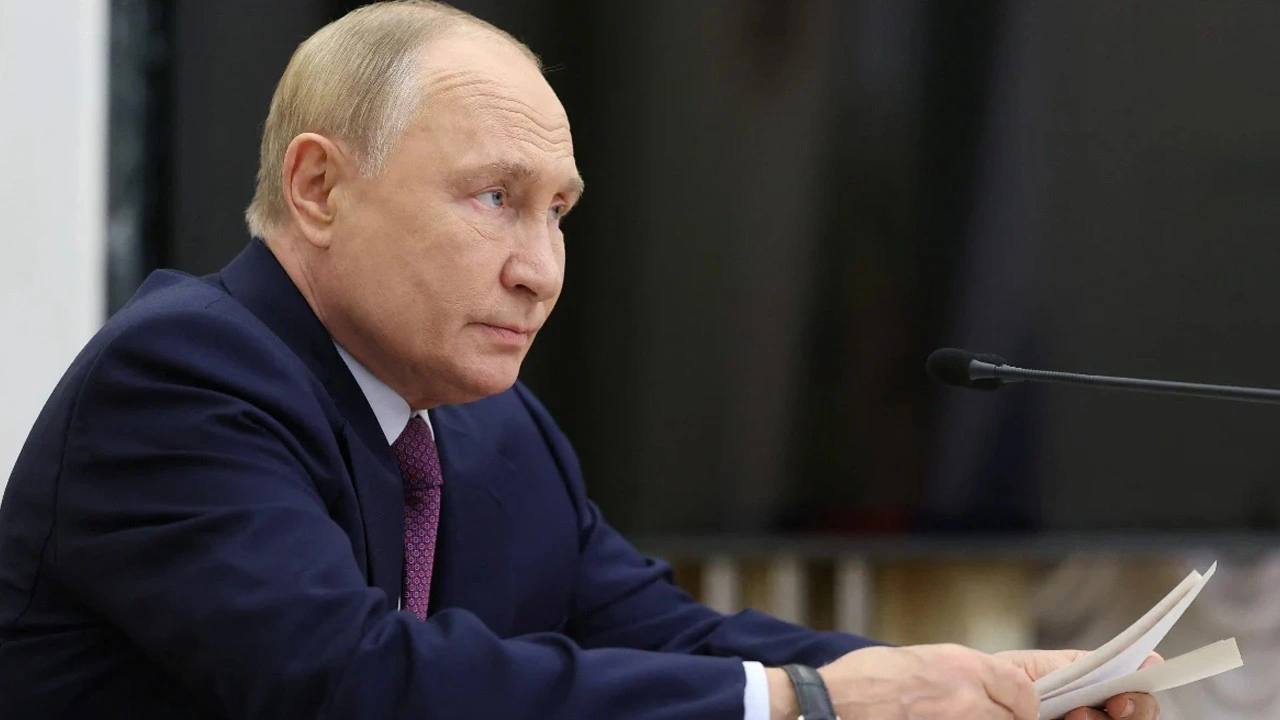
Russian President Vladimir Putin has issued a stark warning to the West, signaling that Moscow may resort to nuclear weapons if Ukraine is allowed to strike deep into Russian territory with long-range Western missiles. This latest warning comes as Ukraine continues to lobby for more advanced missile systems from the U.S. and its allies, raising concerns of potential escalation in the ongoing conflict.

Putin outlined that Russia could respond with nuclear force if there were a significant cross-border attack involving aircraft, missiles, or drones, particularly if such an attack had the support of a rival nuclear power. This applies directly to the situation in which Ukraine, with Western assistance, uses missiles like the U.S. ATACMS or British Storm Shadows to target Russia. Moscow’s threats underscore its fear that Western satellite and targeting support could further embolden Kyiv to strike deep into Russian territory.

The Kremlin’s warning has triggered a swift reaction from Ukraine and the West. Ukraine’s President Volodymyr Zelenskiy’s chief of staff dismissed the threat as “nuclear blackmail” and labeled it another sign of Putin’s desperation. U.S. Secretary of State Antony Blinken criticized Putin’s comments as irresponsible, while Western experts debated the seriousness of the nuclear threat. Some analysts argue that Putin is playing a psychological game aimed at deterring further Western support for Ukraine, while others believe the nuclear threat should not be taken lightly.
Picture background

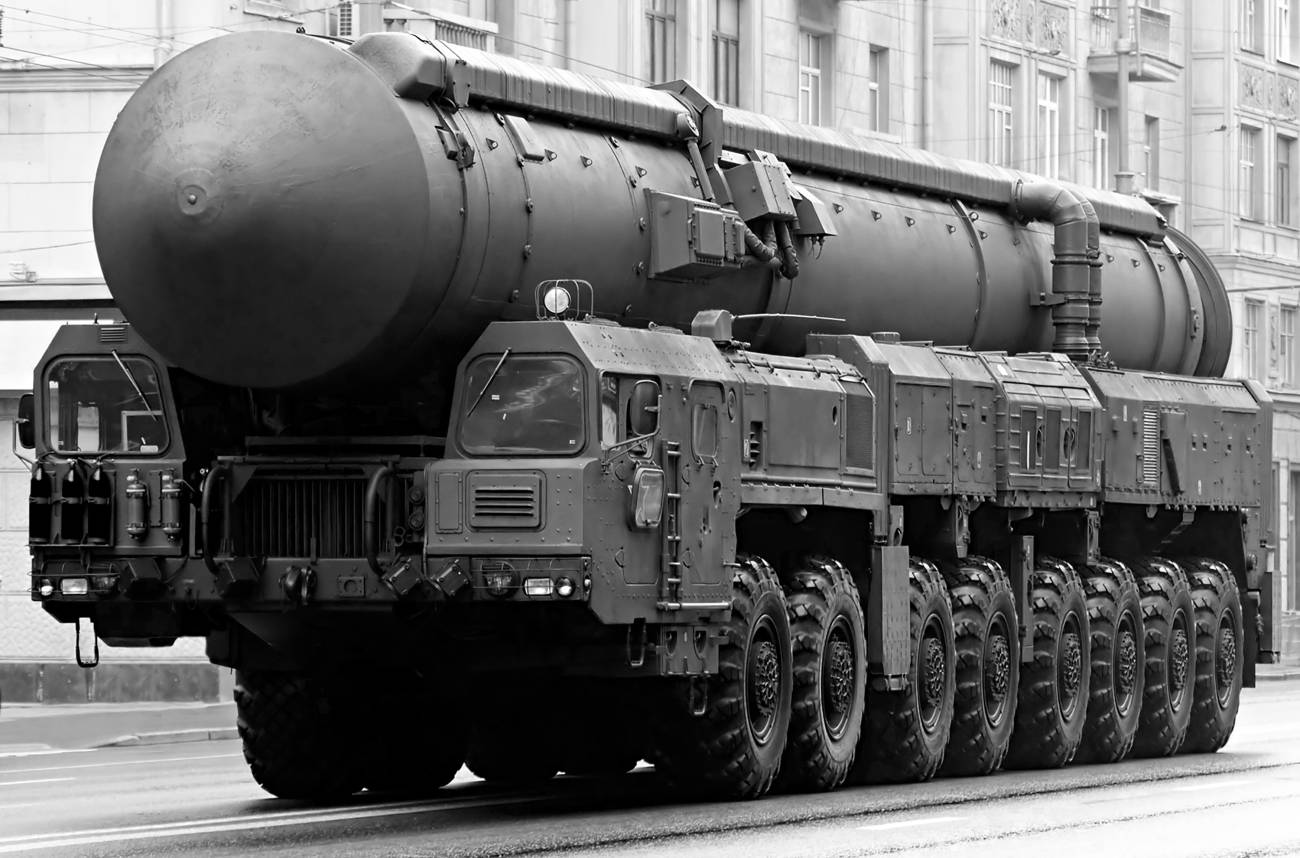
Putin’s warning, however, comes at a critical juncture. As Ukraine pushes for long-range missiles to strike Russia, Moscow is adjusting its nuclear doctrine. Previously, Russia’s nuclear use was tied to existential threats to the state. Now, the doctrine includes responses to conventional attacks that pose a “critical threat to our sovereignty,” effectively lowering the threshold for nuclear use.

Experts remain divided over the likelihood of Russia resorting to nuclear weapons. Some believe the threat remains a bluff, designed to instill fear and hesitation in the West. Others, however, caution that the West should take Putin’s statements seriously. Despite the heated rhetoric, there has been no visible preparation for nuclear deployment, according to defense analysts, though they warn that any movement towards such an escalation could be detected by Western intelligence.

The war in Ukraine has already crossed many red lines set by Moscow, yet Putin’s latest remarks may indicate a growing frustration with the West’s disregard for previous warnings. The Kremlin’s message is clear: any further escalation, especially involving direct strikes on Russian soil, could lead to severe consequences, including the use of nuclear weapons.

While some in the West dismiss Putin’s threats as mere bluster, others warn that ignoring these signals could lead to an unforeseen and catastrophic escalation. Putin’s message is not just for Ukraine but also a direct warning to the U.S. and its allies: any further military support for Kyiv, especially involving long-range weapons, could push the conflict into dangerous new territory.
Exclusive: Russia Secretly Developing War Drones in China, Intel Sources Reveal

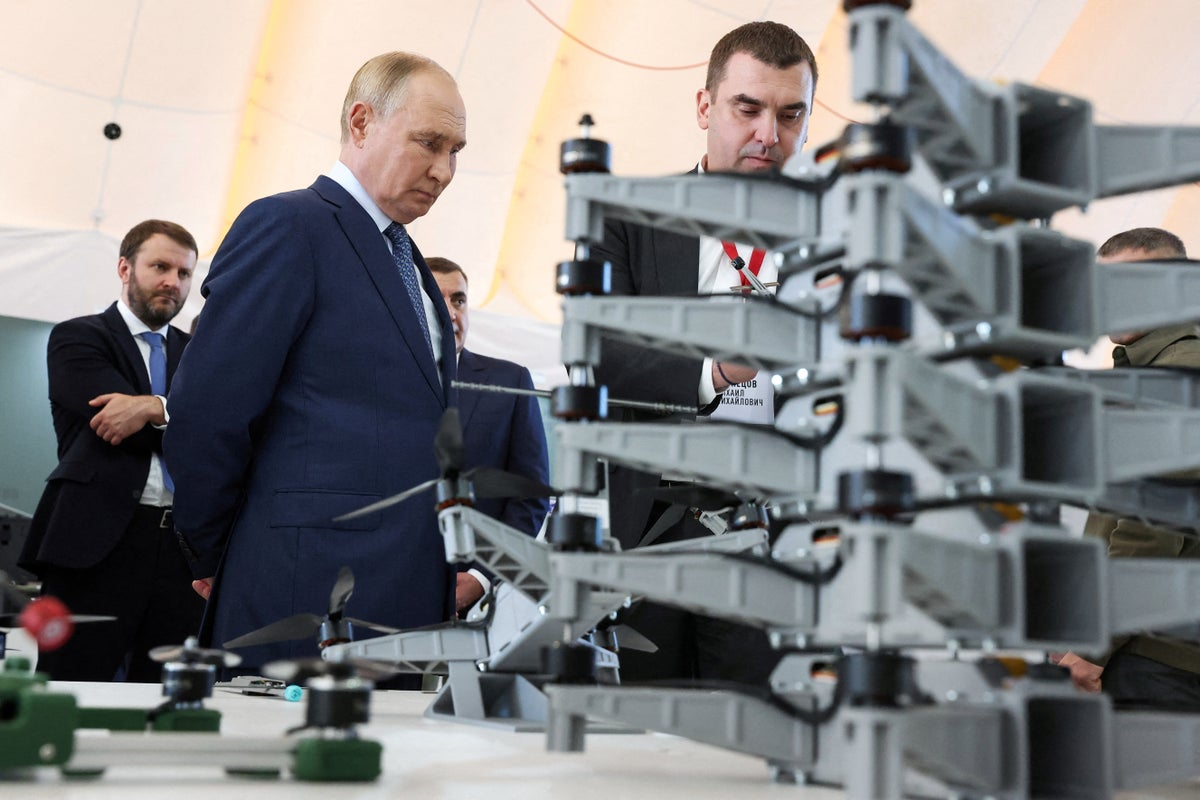
Russia has launched a covert drone production program in China aimed at developing long-range attack drones for use in Ukraine, according to European intelligence sources and documents reviewed by Reuters. The project, led by IEMZ Kupol, a subsidiary of Russian arms giant Almaz-Antey, has reportedly been developing and testing a new drone model, Garpiya-3 (G3), in China with assistance from local experts. Documents show that Kupol informed Russia’s defense ministry that they could produce drones, including the G3, on a large scale at a factory in China to support Moscow’s war efforts in Ukraine.

Kupol and the Russian defense ministry have not commented on these revelations, while China’s foreign ministry denied knowledge of the project, emphasizing strict export controls on unmanned aerial vehicles (UAVs). However, this collaboration, if confirmed, would represent a significant shift in China’s involvement in Russia’s military operations. Previously, China had been providing dual-use components, but full drone systems have not been documented in open sources.

The White House National Security Council expressed concern, stating that while there is no evidence that the Chinese government is involved, it is China’s responsibility to ensure its companies are not providing lethal aid to Russia. NATO and Britain’s Foreign Office echoed these concerns, urging China to halt material support for Russia’s war effort.

Kupol’s G3 drones reportedly have a range of 2,000 km with a 50 kg payload. Invoices indicate that seven drones, including two G3s, have already been delivered to Kupol’s headquarters in Russia for further testing. The European intelligence sources described these deliveries as the first verified evidence of entire UAV systems being shipped from China to Russia since the war in Ukraine began.

The intelligence also suggests that Kupol is working with a Chinese company, Redlepus, to establish a joint drone research and production facility in Kashgar, China’s Xinjiang province. The planned facility, labeled the “Advanced UAV Research and Manufacturing Base,” would produce up to 800 drones annually, although no operational timeline was provided.

Kupol has also proposed the production of a new Chinese-designed attack UAV, the REM 1, with a payload of 400 kg, comparable to the U.S. Reaper drone. While Russia and Ukraine are both racing to increase drone production, China’s potential role in directly supporting Russian efforts could expose Beijing to sanctions. Experts believe this could significantly alter China’s international standing, as it navigates the delicate balance between maintaining its strategic alliances and avoiding punitive global repercussions.

Zelensky Pushes Long-Range Weapons as Key to Ukraine’s ‘Victory Plan’ Ahead of US Visit

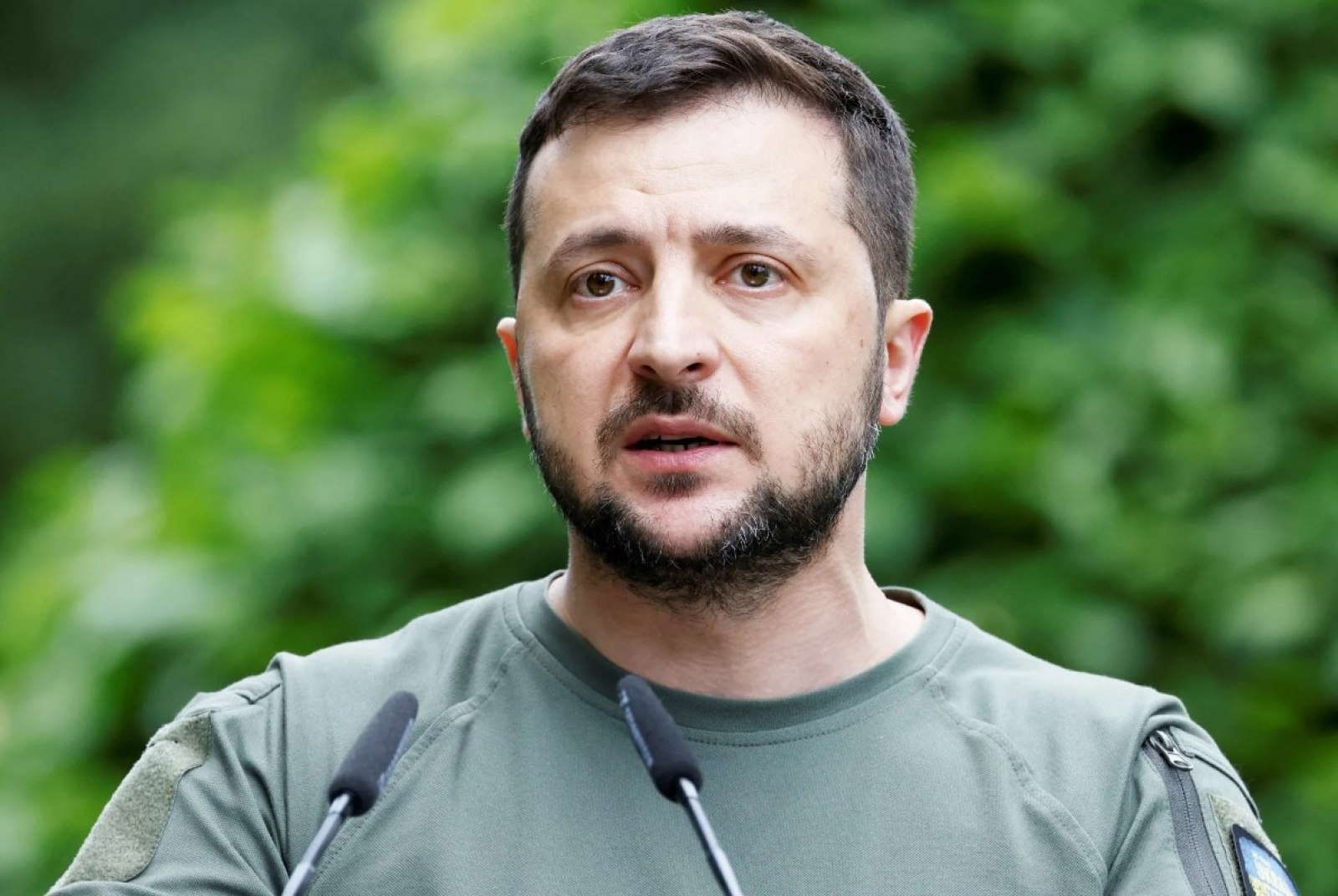
As Ukrainian President Volodymyr Zelensky prepares for his upcoming visit to the United States, he emphasized the critical role that long-range weapons will play in Ukraine’s strategy for defeating Russia. Zelensky revealed that his “victory plan,” which he intends to present to U.S. officials, includes the ability to strike targets inside Russia. However, despite progress, Ukraine has yet to receive permission from allies like the U.S. and the U.K. to use such weapons within Russian territory.

Zelensky acknowledged that Ukraine does have some long-range weapons but not in sufficient quantities. He attributed the allies’ reluctance to authorize strikes inside Russia to concerns over potential escalation. He stated that while President Joe Biden is being advised on escalation risks, not all of his advisors share this fear, which Zelensky views as a positive development.

Next week, Zelensky hopes to further convince Biden and other U.S. officials of the importance of loosening restrictions on long-range missile use. He mentioned that previous difficult discussions with Biden had led to shifts in policy and remained hopeful that his arguments would be well-received during this visit. In addition to meeting President Biden, Zelensky plans to consult with Vice President Kamala Harris and former President Donald Trump, who has been vague about his stance on the war in Ukraine.

During his U.S. visit, Zelensky is expected to address the United Nations General Assembly in New York and make a stop at the Scranton Army Ammunition Plant in Pennsylvania. The facility produces the 155mm artillery shells vital to Ukraine’s defense efforts against Russia.

Meanwhile, Ukrainian forces continue their push to degrade Russian military infrastructure. Ukrainian officials reported on Saturday that two major ammunition depots were struck in Russia’s Krasnodar and Tver regions. These strikes, carried out in coordination with Ukraine’s Security Service (SBU), targeted key logistics facilities, including a large base storing Iskander and Tochka-U tactical missile systems. The attacks mark a continued effort by Ukraine to weaken Russia’s artillery capabilities. However, Russian authorities have not confirmed the strikes.

Zelensky’s visit and his focus on securing more military aid come as Ukraine intensifies its counteroffensive, targeting Russian supply lines and ammunition storage facilities, aiming to shift the balance in the war.