Yazılar

The Evolving Role of Defense Stocks in ESG Portfolios Amidst Geopolitical Shifts

The ongoing conflict between Russia and Ukraine has sparked a significant transformation in the way defense stocks are regarded within the realm of environmental, social, and governance (ESG) investing. Traditionally, defense stocks have been excluded from ESG portfolios due to their connection with military activities and warfare, which raised ethical concerns among mission-driven investors. However, in recent months, there has been a growing willingness among ESG fund managers to incorporate defense companies, especially as the geopolitical landscape intensifies and military spending soars.

This shift, though still contentious, represents a profound change in ESG investing dynamics. The CEO of Saab, a Swedish defense and security company, highlighted this evolving trend, noting a remarkable increase in shareholders since the war began. While some institutional investors, such as pension funds, remain hesitant to include defense companies in their portfolios, others are recognizing the importance of national security and the deterrent capabilities provided by such firms. This has led to a reevaluation of whether defense companies, which contribute to societal resilience, should be considered within the scope of ESG.

Saab, which produces advanced military equipment such as missiles and fighter jets, has seen its stock price surge by around 330% since the onset of the war in Ukraine. This performance underscores the growing interest in the defense sector, even among investors traditionally focused on ethical concerns. Yet, skepticism persists, particularly from retail investors and fund managers wary of aligning with companies associated with warfare. For many, the ethical implications of investing in companies that manufacture weapons remain a critical issue.

The debate extends beyond Europe, with ESG investments becoming a politically charged topic in the U.S. In recent years, Republican lawmakers have criticized ESG investing as a form of “woke capitalism,” accusing it of prioritizing social goals over financial returns. On the other hand, Democrats have defended ESG principles, framing them as part of a broader effort to promote responsible business practices. This divide is likely to be further shaped by the outcome of the upcoming U.S. presidential election, which could have significant implications for the future of ESG investing in the defense sector.

Despite the controversies, some industry leaders believe that the role of defense companies in protecting free societies is gaining broader acceptance. Brad Greve, CFO of BAE Systems, remarked that discussions about the positive role of defense firms were almost impossible before the war in Ukraine. The conflict has reshaped public perception, allowing for more open conversations about how defense companies contribute to societal stability and security. BAE Systems, another major defense player, has also seen its stock rise significantly, driven by increased demand for its military products.

As geopolitical tensions remain high and military spending continues to grow, the inclusion of defense stocks in ESG portfolios is likely to be an ongoing topic of debate. Fund managers are divided on whether these companies should be classified as villains or essential components of national security. Ultimately, the future of defense stocks within ESG portfolios will depend on how investors reconcile the need for security with the ethical considerations that have long defined sustainable investing.
Zelenskiy Urges US to Permit Deeper Strikes into Russian Territory Amid Ongoing Attacks

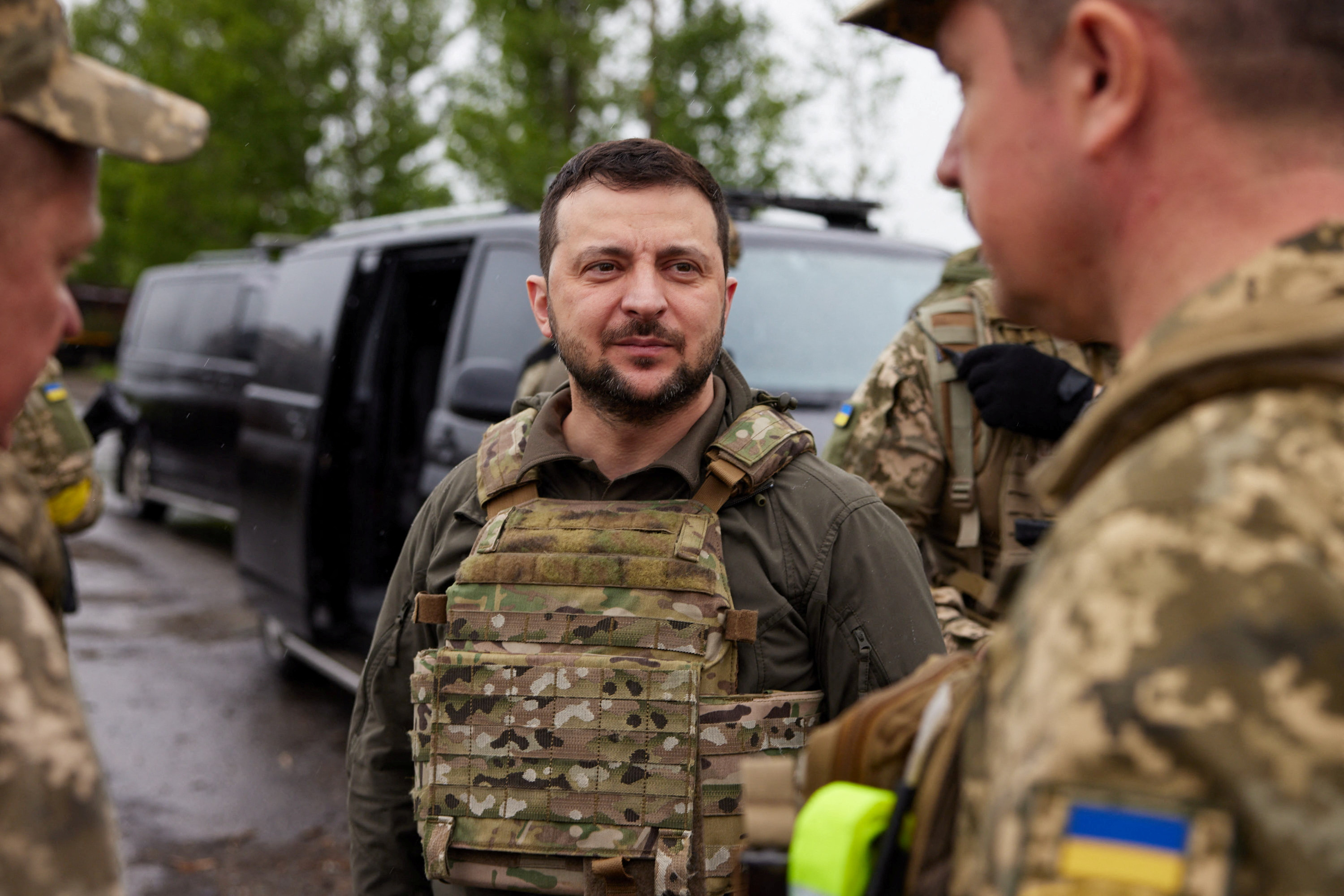
Ukrainian President Volodymyr Zelenskiy has intensified calls for the United States to authorize deeper strikes into Russian territory following devastating Russian attacks on Ukrainian cities. Zelenskiy’s appeal comes after a Ukrainian delegation met with senior U.S. officials in Washington, seeking support for targeting Russian military infrastructure beyond Ukraine’s borders.

Since 2022, the U.S. has provided over $50 billion in military aid to Ukraine but has largely restricted Kyiv’s use of this weaponry to operations on Ukrainian soil and defensive strikes across the border. Zelenskiy argues that this limitation is hindering Ukraine’s ability to neutralize ongoing Russian bombardments, such as the guided aerial bomb attacks that killed six people and injured 97 in Kharkiv on Friday, with further strikes continuing on Saturday.

In his nightly address, Zelenskiy emphasized the need to strike Russian military airfields and bases to prevent future attacks, stating that doing so would pressure Russia toward seeking an end to the conflict and a fair peace settlement. He reiterated the importance of long-range capabilities and the supply of long-range missiles from Ukraine’s Western allies, including the U.S., Britain, France, and Germany.

Ukrainian Defense Minister Rustem Umerov, who traveled to Washington alongside a delegation, reinforced Zelenskiy’s argument, stressing that Kyiv has demonstrated how deep strikes on Russian airfields could mitigate the ongoing aerial assaults on Ukrainian cities. Umerov expressed optimism that the U.S. officials had been receptive to Kyiv’s requests.

The delegation’s visit comes as Ukraine faces a surge in Russian missile and drone strikes, with over 400 attacks reported in the past week alone. Zelenskiy plans to further press the issue when he meets U.S. President Joe Biden next month to present a victory strategy, ahead of the United Nations General Assembly meetings in New York.

Ukraine’s push for expanded military support also includes efforts to rebuild its energy infrastructure, which has been severely impacted by Russian air strikes. Economy Minister Yulia Svyrydenko highlighted ongoing discussions with the U.S. about restoring Ukraine’s power systems, including an $800 million energy sector financing package announced earlier this year.

In a meeting with U.S. Defense Secretary Lloyd Austin, Ukraine’s presidential chief of staff Andriy Yermak stressed the urgency of delivering weapons from existing defense packages to counter the intensified Russian offensives. As Ukraine continues to navigate a war that shows no sign of abating, Zelenskiy is determined to secure the tools necessary to protect his country and push Russia toward a resolution.

4o

Chinese Premier Li Qiang Visits Russia to Strengthen Ties Amid Ukraine Conflict

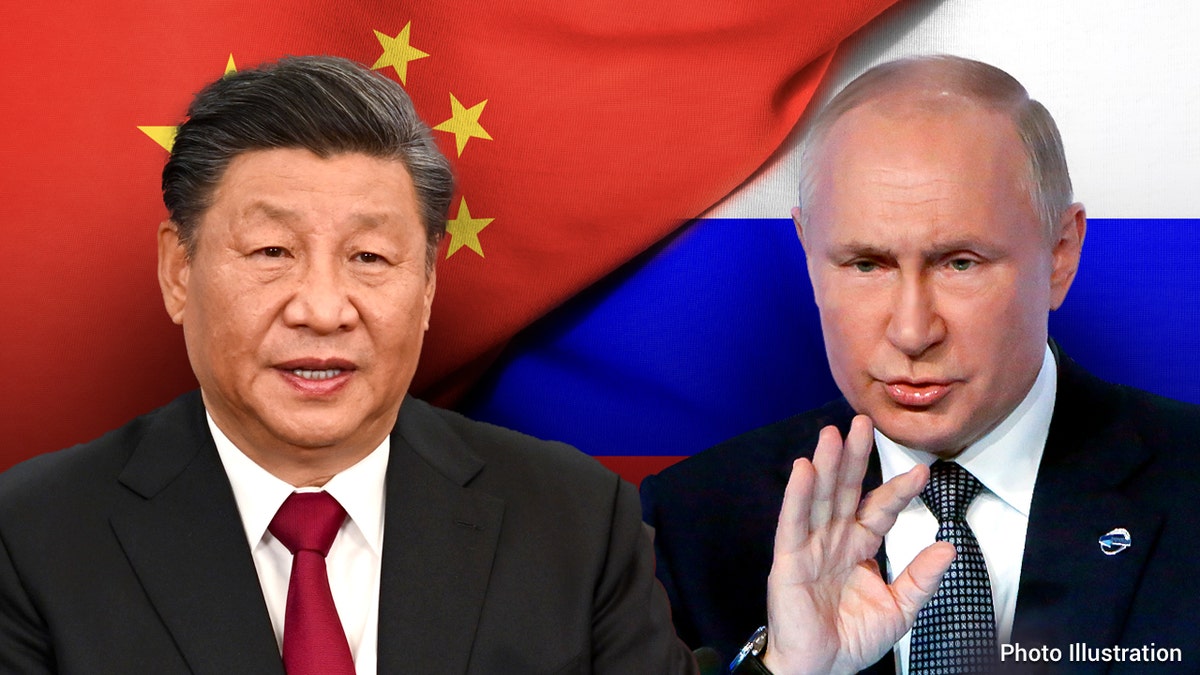
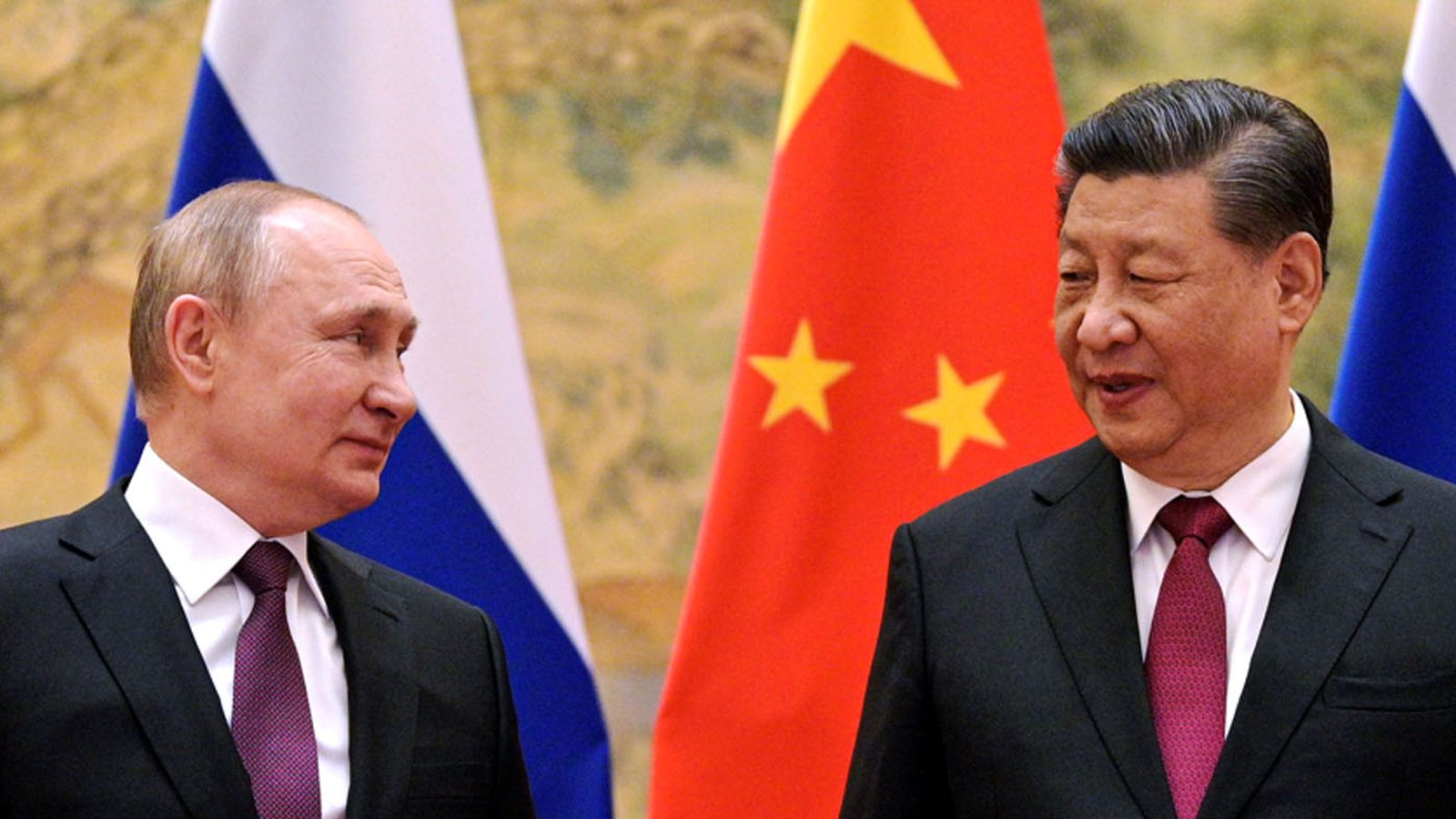
Chinese Premier Li Qiang has embarked on a four-day diplomatic visit to Russia and Belarus to bolster strategic ties between China and Russia amidst the ongoing war in Ukraine. Li, the second-highest official in China after President Xi Jinping, is scheduled to meet Russian President Vladimir Putin and hold talks with Prime Minister Mikhail Mishustin in Moscow. The discussions are centered around reinforcing China-Russia cooperation across various sectors, despite mounting Western criticism over China’s continued partnership with Russia amid the Ukraine conflict.

Upon his arrival at Moscow’s Vnukovo Airport on Tuesday, Li emphasized the vitality of China-Russia relations, describing them as entering a “new era” marked by increased political trust, fruitful cooperation, and enhanced international coordination. The visit reflects Beijing’s intent to further deepen its mutually beneficial relationship with Moscow, despite the broader international fallout from Russia’s full-scale invasion of Ukraine in 2022.

This high-level meeting comes just two weeks after Ukrainian forces launched a surprise incursion into Russia’s Kursk border region, a significant development as it marked the first time foreign troops entered Russian territory since World War II. The ongoing conflict has placed considerable pressure on Russia, both militarily and economically, with many urging a swift resolution to the war.

Picture background

While China has positioned itself as a potential peace broker, it has faced increasing scrutiny from Western nations regarding its supply of dual-use goods to Russia, which critics argue are bolstering Moscow’s war effort. Chinese officials have reiterated their stance on seeking a political settlement to the crisis, calling for restraint and a reduction in hostilities. However, Beijing’s actions have so far leaned heavily toward solidifying trade, economic, and security ties with Russia.

Bilateral trade between the two nations hit record highs in 2022, exceeding $240 billion ahead of schedule, with Russia growing increasingly dependent on China’s market and investments in the face of broad international sanctions. Trade between the two countries continued to rise by over 25% year-on-year in 2023, although growth has slowed to 1.6% between January and July compared to the same period last year, according to Chinese customs data.

Li’s visit is part of the annual meeting between Chinese and Russian prime ministers, a tradition that has continued since 1996 to ensure the practical implementation of cooperative measures guided by Xi and Putin. This year’s discussions are expected to focus on trade, economic partnerships, and strategic coordination as both countries navigate the complex geopolitical landscape shaped by the Ukraine conflict.

After his meetings in Russia, Li will conclude his trip with a visit to Belarus, where he is set to meet Belarusian Prime Minister Roman Golovchenko. The two leaders will engage in discussions aimed at strengthening bilateral relations and exploring new opportunities for cooperation across various sectors. This visit underscores China’s broader regional influence as it seeks to balance its relationships amidst the ongoing conflict in Ukraine and global economic pressures.