Yazılar

Russia Warns of Global Conflict Risks Over Ukraine Strikes

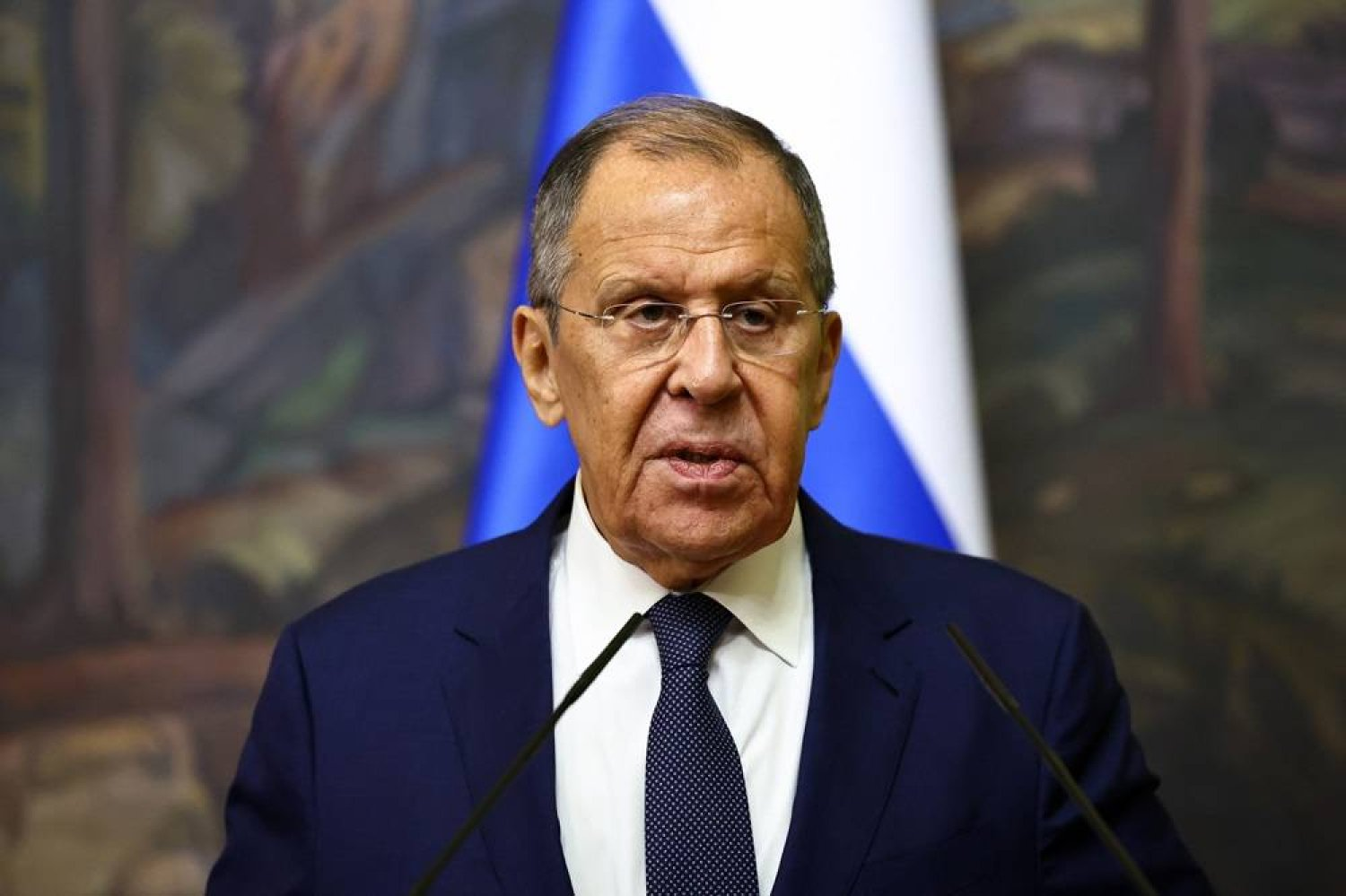
Russia has issued a stark warning to the United States and Western allies, cautioning that the potential escalation of the Ukraine conflict could lead to a broader, global confrontation. On Tuesday, Russian Foreign Minister Sergei Lavrov criticized Western considerations of permitting Ukraine to use Western-supplied missiles for deep strikes into Russian territory, arguing that such actions could trigger a dangerous international conflict.

The warning follows a significant attack by Ukraine on Russia’s Kursk region on August 6, marking one of the largest foreign assaults on Russian soil since World War II. Russian President Vladimir Putin has promised a “worthy response” to the attack, and Lavrov has accused the West of seeking to escalate the war and “asking for trouble” by relaxing restrictions on Ukrainian military operations.

Lavrov emphasized that Western nations, particularly the United States, are underestimating the risks of a wider conflict. He warned that the consequences of a global war would not be confined to Europe, despite what some in the U.S. might believe. “Playing with fire—like small children with matches—is very dangerous for those entrusted with nuclear weapons,” Lavrov stated.

In response to the ongoing conflict, Russia is reportedly reassessing its nuclear doctrine, which allows for nuclear weapon use in response to attacks that threaten the existence of the state. Lavrov’s comments reflect heightened concerns about the potential for nuclear escalation.

Ukrainian President Volodymyr Zelenskiy has downplayed Russian threats, arguing that Moscow’s retaliation promises are bluffs. Zelenskiy has called on Western allies to be more decisive in their support for Ukraine, pointing out that current restrictions on weapon usage limit Ukraine’s ability to strike critical Russian military targets.

Russia has accused Ukraine of employing Western weaponry, including British tanks and U.S. HIMARS rocket systems, in its assault on Kursk. Kyiv has confirmed the use of U.S. missiles to target bridges in the region. Despite Washington’s assertions that it was unaware of the Ukrainian plans prior to the attack, Russia’s intelligence chief Sergei Naryshkin and Deputy Foreign Minister Sergei Ryabkov have claimed that U.S. involvement in the operation is evident. The New York Times reported that the U.S. and Britain provided Ukraine with satellite imagery and other intelligence to aid in tracking Russian reinforcements following the attack.
 

Russia Demands More Objectivity from IAEA After Nuclear Plant Visit

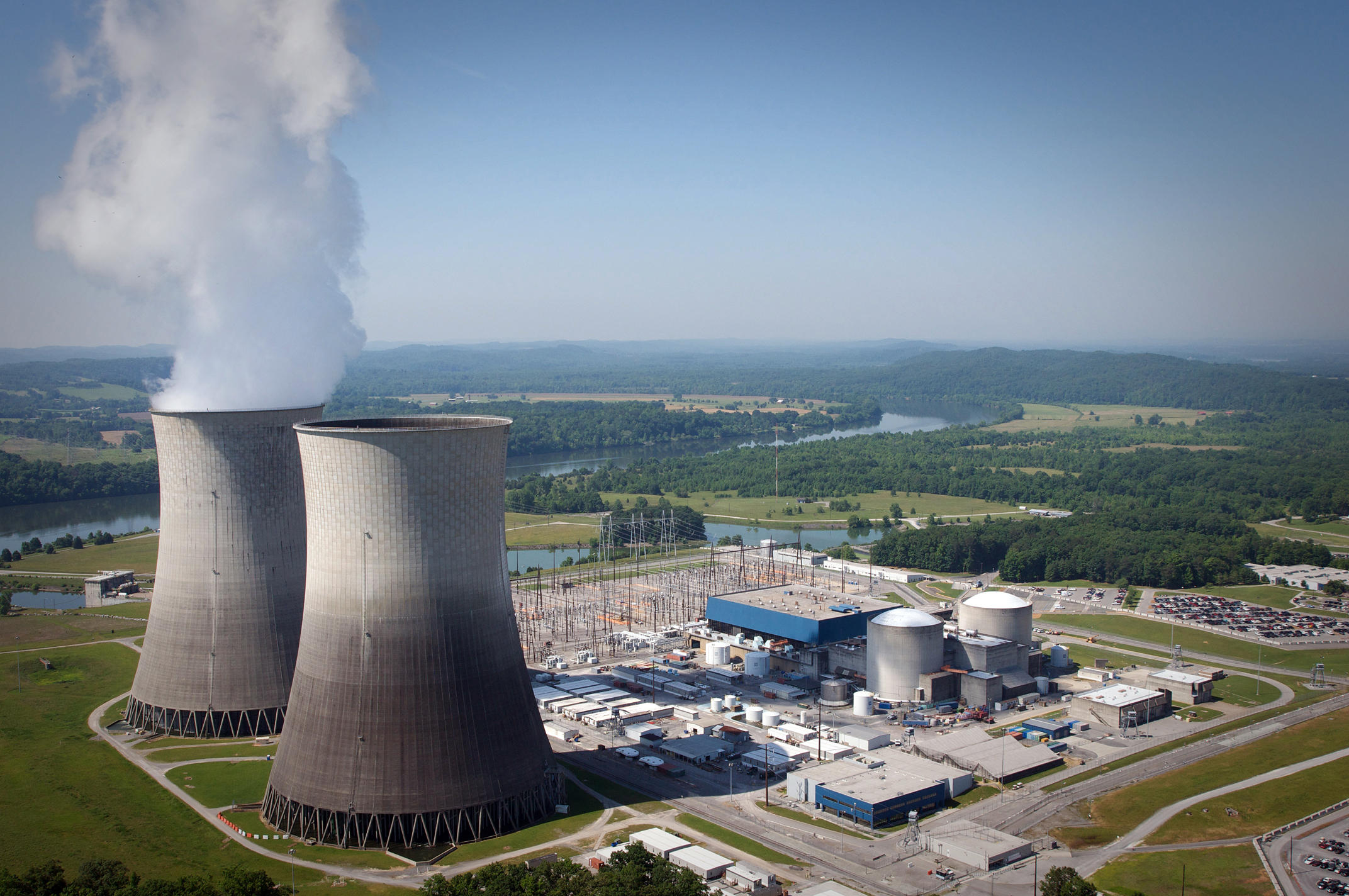
Russia has called on the International Atomic Energy Agency (IAEA) to adopt a “more objective and clearer” stance on nuclear safety following a visit by IAEA chief Rafael Grossi to a nuclear plant near ongoing hostilities with Ukraine. The call for a more decisive stance came a day after Grossi’s inspection of the Kursk nuclear facility, which is situated close to the area where Ukraine has recently conducted military incursions.

During his visit, Grossi highlighted the risks of a potential nuclear accident at the Kursk plant, noting damage from a recent drone strike, which Russia has attributed to Ukraine. He refrained from assigning blame but emphasized the heightened risk to the facility. Russian Foreign Ministry spokesperson Maria Zakharova criticized the IAEA for not presenting a clearer position on nuclear safety, though she denied that Russia was seeking a pro-Russian bias from the agency. “We want a more objective and clearer expression of the IAEA’s position,” Zakharova said, stressing the need for fact-based assessments to ensure safety and prevent catastrophic scenarios.

The IAEA has yet to comment on the request, but the appeal reflects growing pressure from Moscow on the agency, which has consistently urged restraint to avoid incidents around nuclear facilities during the 30-month conflict. Kremlin spokesperson Dmitry Peskov stated that while the IAEA lacks the mandate to assign blame, there is no doubt about Ukraine’s responsibility for escalating nuclear risks.

On Wednesday, Russia’s National Guard reported finding unexploded U.S.-supplied munitions near the Kursk plant, including a shell from a HIMARS rocket system and a rocket fragment containing 180 unexploded rounds. The Russian military claimed the munitions were shot down by its defenses and partially exploded in mid-air. Ukraine has not yet responded to these allegations, and the authenticity of the Russian report could not be independently verified.

Grossi’s visit revealed vulnerabilities in the Kursk plant, designed without a modern containment dome, which could offer protection in the event of a military strike. Asked whether the drone damage constituted a “nuclear provocation” by Ukraine, Grossi emphasized the importance of a careful and impartial approach, acknowledging the connection between recent military activities and the safety concerns raised.


Zelenskiy to Present Strategy to Biden for Ending War with Russia

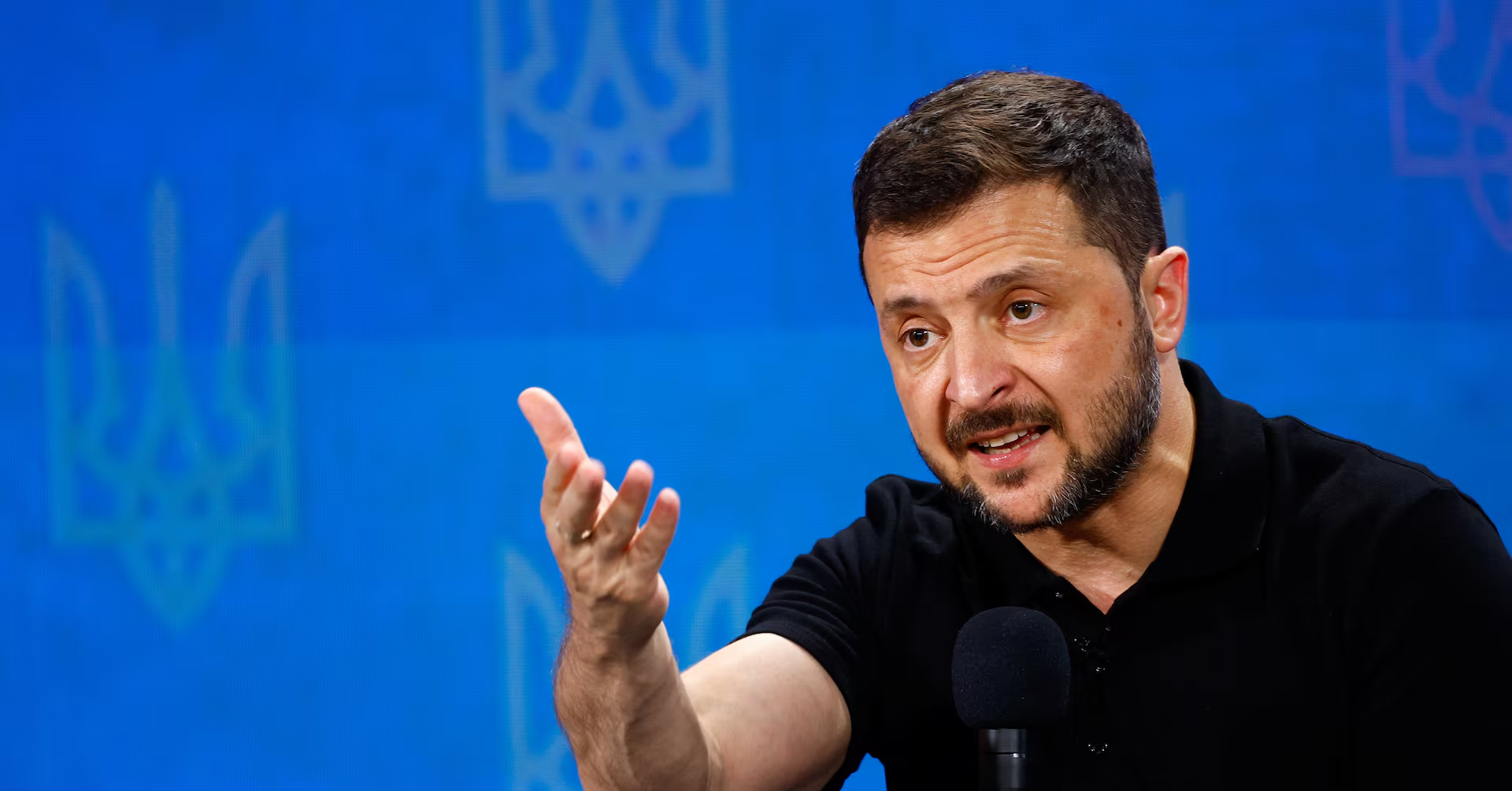
Ukrainian President Volodymyr Zelenskiy announced on Tuesday that he plans to present a comprehensive strategy to U.S. President Joe Biden, alongside potential successors, aimed at ending the ongoing conflict with Russia. Zelenskiy, speaking at a press conference in Kyiv, emphasized that the resolution of the war would ultimately require dialogue, but stressed the necessity for Ukraine to maintain a strong negotiating position.

Part of Zelenskiy’s plan includes the recent three-week incursion into Russia’s Kursk region, a move he sees as integral to Ukraine’s broader strategy. However, he also highlighted that the plan encompasses economic and diplomatic measures to exert pressure on Russia. “The main point of this plan is to force Russia to end the war on terms that are fair to Ukraine,” Zelenskiy stated, referencing Russia’s full-scale invasion of Ukraine that began in February 2022.

Zelenskiy indicated his intention to visit the United States in September to attend the U.N. General Assembly in New York, where he hopes to meet with President Biden. He also plans to discuss his strategy with Democratic Vice President Kamala Harris and likely Republican candidate Donald Trump, who are the main contenders in the upcoming U.S. presidential election.

The Ukrainian leader’s remarks suggest that he envisions a follow-up international summit on peace as a key platform for advancing Ukraine’s position. The first summit, held in Switzerland in June, focused on Ukraine’s vision for peace but did not include Russian representatives, a notable omission as Kyiv sought global support.

Russian Foreign Minister Sergei Lavrov dismissed the possibility of negotiations on August 19, following Ukraine’s significant cross-border incursion into Kursk on August 6. Meanwhile, Indian Prime Minister Narendra Modi, who recently visited Kyiv, has conveyed to Russian President Vladimir Putin his support for a peaceful resolution to the conflict.

Zelenskiy has firmly rejected any compromise with Russia that would involve ceding Ukrainian territory. He criticized Russian President Vladimir Putin for seeking to impose terms on Ukraine, which Kyiv finds unacceptable. “There can be no compromises with Putin,” Zelenskiy asserted, adding that the incursion into Kursk had diminished global calls for Ukraine to concede territory.

On the battlefield, Zelenskiy mocked Putin’s focus on territorial gains, pointing out that while Ukrainian forces have reportedly captured 100 settlements in Kursk, Russian advances in eastern Donetsk continue at a slow pace. Additionally, Zelenskiy announced progress in Ukraine’s domestic weapons production, including the successful test of a domestically-produced ballistic missile.