Yazılar

Ukraine’s ‘Dragon Drones’ Unleash Molten Metal in Latest Battlefield Innovation

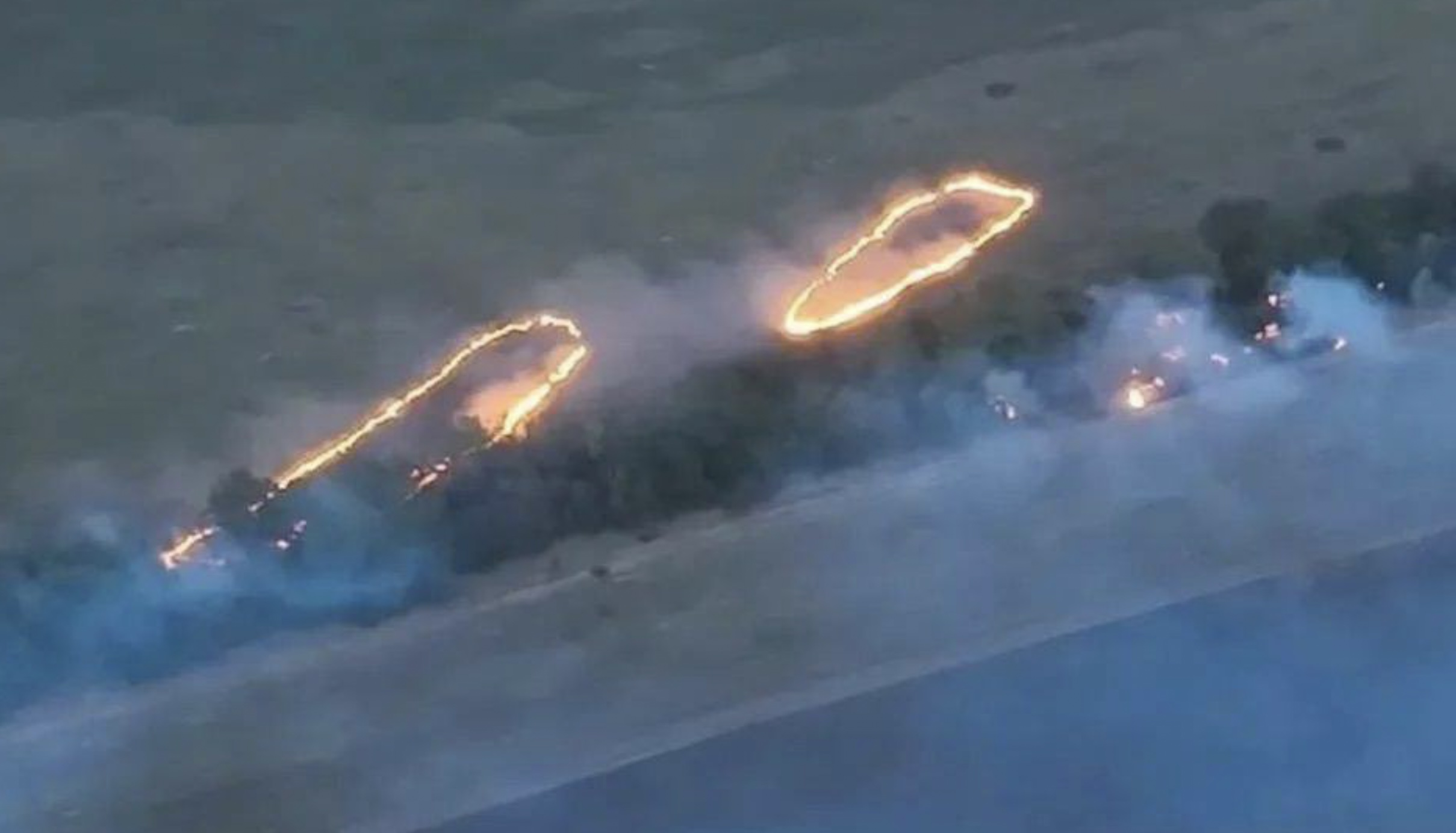
In the ongoing conflict between Ukraine and Russia, Ukraine has introduced a terrifying new weapon: thermite-laden drones, often referred to as “dragon drones.” These drones, equipped with a potent incendiary compound, have been used to target Russian positions with intense, fire-spewing attacks.

Technology and Use The drones deploy a mixture of aluminum powder and iron oxide known as thermite, which burns at temperatures up to 4,000 degrees Fahrenheit (2,200 degrees Celsius). This extremely high heat can effectively burn through vegetation, structures, and even metal, making it a formidable weapon in modern warfare.

Videos shared on social media by the Ukrainian Defense Ministry demonstrate the drones dropping streams of molten metal onto Russian-held positions, creating a dramatic and fearsome effect. The Ukrainian 60th Mechanized Brigade has highlighted the drones as “wings of vengeance,” emphasizing their precision and psychological impact.

Historical Context Thermite, discovered in the 1890s, was initially used for industrial purposes such as welding railroad tracks. Its military applications became evident during World War I, when it was used in aerial bombs by Germany. Both World Wars saw extensive use of thermite, including its deployment in disabling enemy artillery.

In recent times, Ukraine has adapted thermite for use with drones, enabling targeted strikes that can disable tanks and other equipment. According to Action on Armed Violence (AOAV), this method of delivery allows for precise attacks that bypass traditional defenses, enhancing its effectiveness in modern combat scenarios.

Legal and Ethical Concerns While thermite is not banned under international law, its use is heavily regulated, particularly in terms of targeting civilian areas. The weapon’s devastating effects, including severe burns and long-term medical complications, are well-documented. Human Rights Watch has criticized incendiary weapons for their horrific impact on human health, including deep burns and severe physical trauma.

Impact and Strategy The introduction of thermite drones adds a new dimension to the ongoing conflict, providing Ukraine with a means to exert psychological pressure on Russian forces. Nicholas Drummond, a defense analyst, notes that while thermite drones may not be a game-changer in terms of battlefield strategy, they contribute to creating a climate of fear and uncertainty among enemy troops.

Ukraine’s innovative use of drones reflects a broader trend of adapting technology to gain tactical advantages in the conflict. Despite the ongoing challenges, the effective use of thermite drones represents a significant advancement in Ukraine’s ability to disrupt and demoralize Russian forces.

Broader Implications The use of thermite and other incendiary weapons highlights the evolving nature of warfare and the increasing role of technology in military strategies. As both sides continue to develop and deploy advanced weaponry, the impact on civilian populations and the ethical considerations surrounding these innovations will remain critical issues in the ongoing conflict.

Overall, Ukraine’s deployment of “dragon drones” underscores the growing complexity of modern warfare and the relentless pursuit of technological advancements to gain the upper hand in battle.
Ukrainian Foreign Minister Dmytro Kuleba Tenders Resignation Amid Government Reshuffle

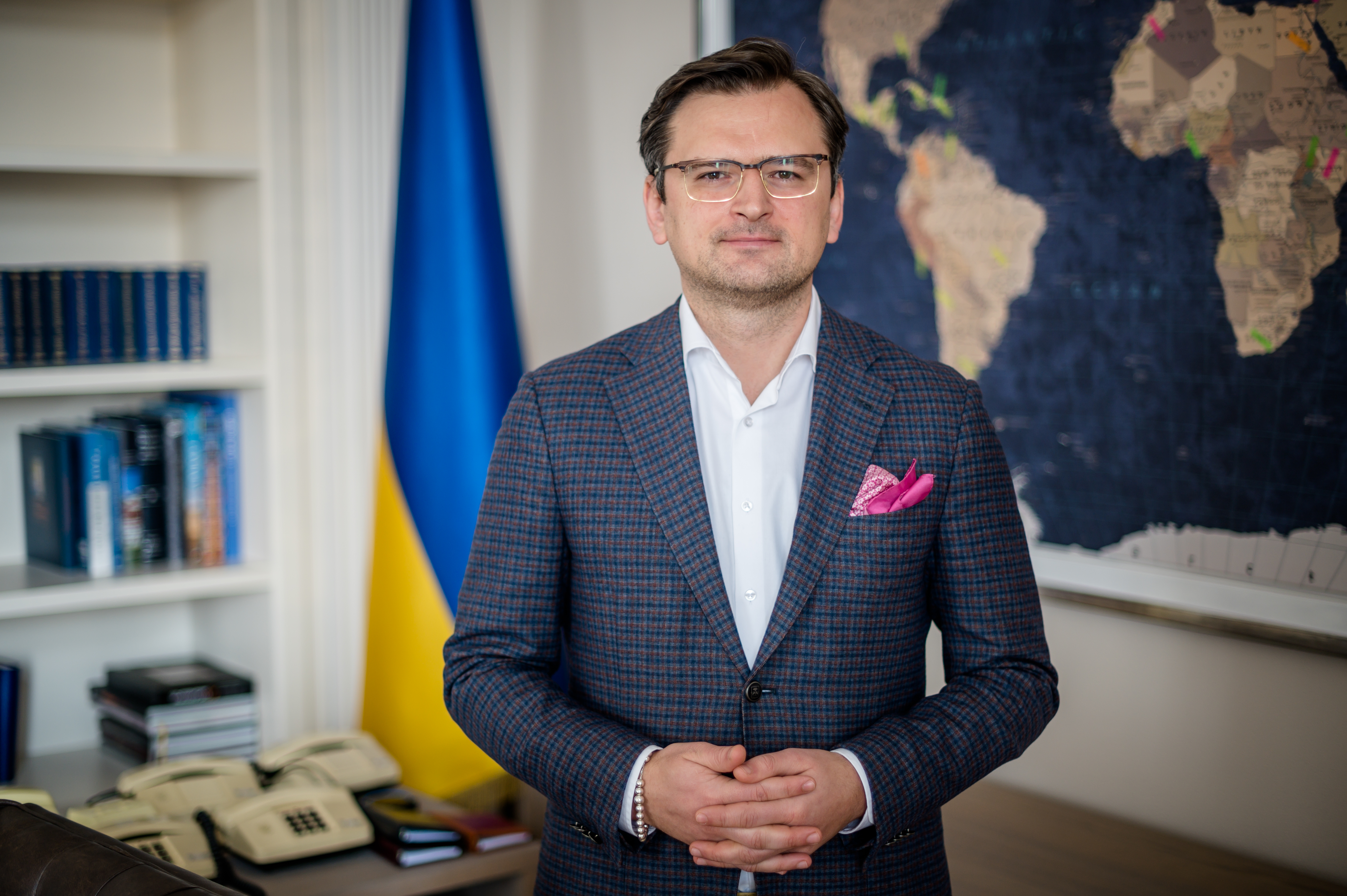
Ukraine’s Foreign Minister Dmytro Kuleba has submitted his resignation, announced by Parliament Speaker Ruslan Stefanchuk. The move comes as part of a broader shake-up within the Ukrainian government, with several key ministers stepping down, including Deputy Prime Minister Iryna Vereshchuk and Minister of Justice Denys Maliuska. Ukrainian President Volodymyr Zelenskyy signaled significant changes aimed at strengthening government institutions during this critical period. Kuleba’s resignation marks a pivotal shift as Ukraine continues its diplomatic efforts in the face of ongoing war and its push for EU integration.


Zelenskiy Urges US to Permit Deeper Strikes into Russian Territory Amid Ongoing Attacks

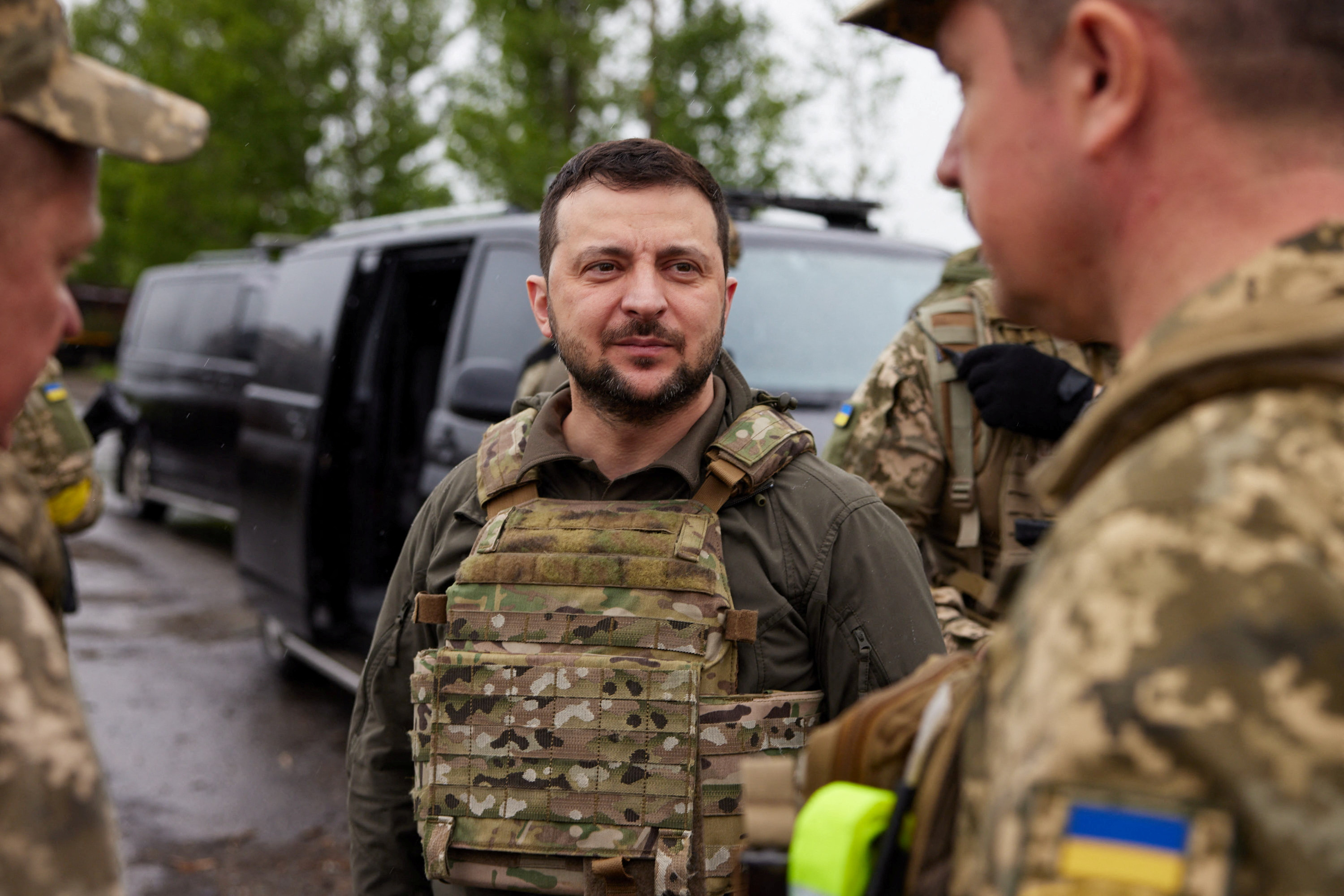
Ukrainian President Volodymyr Zelenskiy has intensified calls for the United States to authorize deeper strikes into Russian territory following devastating Russian attacks on Ukrainian cities. Zelenskiy’s appeal comes after a Ukrainian delegation met with senior U.S. officials in Washington, seeking support for targeting Russian military infrastructure beyond Ukraine’s borders.

Since 2022, the U.S. has provided over $50 billion in military aid to Ukraine but has largely restricted Kyiv’s use of this weaponry to operations on Ukrainian soil and defensive strikes across the border. Zelenskiy argues that this limitation is hindering Ukraine’s ability to neutralize ongoing Russian bombardments, such as the guided aerial bomb attacks that killed six people and injured 97 in Kharkiv on Friday, with further strikes continuing on Saturday.

In his nightly address, Zelenskiy emphasized the need to strike Russian military airfields and bases to prevent future attacks, stating that doing so would pressure Russia toward seeking an end to the conflict and a fair peace settlement. He reiterated the importance of long-range capabilities and the supply of long-range missiles from Ukraine’s Western allies, including the U.S., Britain, France, and Germany.

Ukrainian Defense Minister Rustem Umerov, who traveled to Washington alongside a delegation, reinforced Zelenskiy’s argument, stressing that Kyiv has demonstrated how deep strikes on Russian airfields could mitigate the ongoing aerial assaults on Ukrainian cities. Umerov expressed optimism that the U.S. officials had been receptive to Kyiv’s requests.

The delegation’s visit comes as Ukraine faces a surge in Russian missile and drone strikes, with over 400 attacks reported in the past week alone. Zelenskiy plans to further press the issue when he meets U.S. President Joe Biden next month to present a victory strategy, ahead of the United Nations General Assembly meetings in New York.

Ukraine’s push for expanded military support also includes efforts to rebuild its energy infrastructure, which has been severely impacted by Russian air strikes. Economy Minister Yulia Svyrydenko highlighted ongoing discussions with the U.S. about restoring Ukraine’s power systems, including an $800 million energy sector financing package announced earlier this year.

In a meeting with U.S. Defense Secretary Lloyd Austin, Ukraine’s presidential chief of staff Andriy Yermak stressed the urgency of delivering weapons from existing defense packages to counter the intensified Russian offensives. As Ukraine continues to navigate a war that shows no sign of abating, Zelenskiy is determined to secure the tools necessary to protect his country and push Russia toward a resolution.

4o