Yazılar

Germany’s Left-Wing BSW Challenges Pro-Ukraine Consensus with Growing Influence

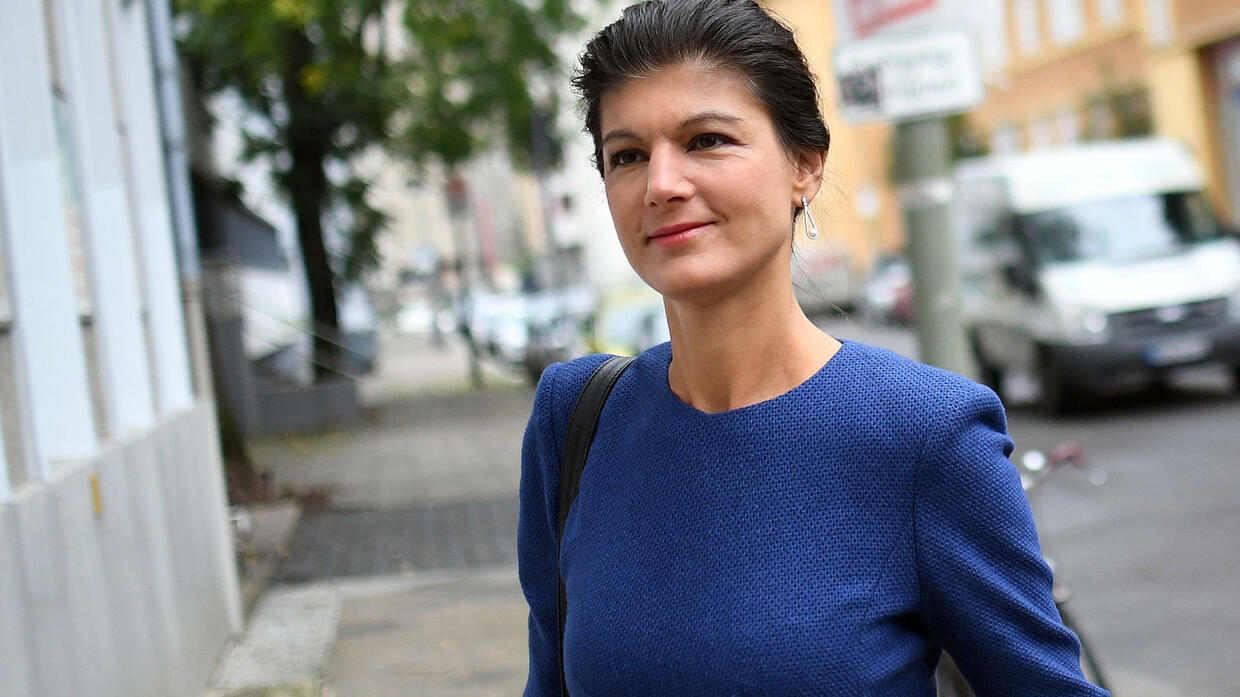
Germany’s recently established leftist-populist party, the Sahra Wagenknecht Alliance (BSW), is challenging the country’s strong support for Ukraine. As the BSW rises in three eastern states—Brandenburg, Thuringia, and Saxony—it demands that any regional coalition partners advocate for an end to military support for Ukraine. This anti-military stance risks eroding Germany’s established pro-Ukraine consensus, even as the country ranks as Kyiv’s second-largest military backer against Russia. Moreover, these developments are intensifying friction within Chancellor Olaf Scholz’s three-party federal coalition, already under strain in Berlin.

Formed in January, the BSW is Germany’s only anti-war party, apart from the far-right Alternative for Germany (AfD), which remains isolated as mainstream parties refuse to collaborate with it. Now a key player in the eastern states after its strong performance in recent elections, the BSW is positioning itself as an indispensable partner for coalition-building, with party leader Sahra Wagenknecht insisting that any alliances endorse her party’s anti-war policies.

This stance recently led to controversy when the Social Democratic Party (SPD) in Brandenburg, Scholz’s own party, endorsed a joint statement with the BSW, asserting that “the war will not be ended by further weapons deliveries.” The statement, which also criticized the potential deployment of U.S. long-range missiles in Germany, faced backlash in Berlin and within the SPD itself. Agnieszka Brugger, a prominent Green Party lawmaker, called the SPD’s collaboration “cynical and populist,” warning that ending support for Ukraine jeopardizes the security of Germany and its allies.

While state governments cannot directly influence foreign policy, BSW’s stance arrives amid shifting public opinion, with some polls showing cooling support for Ukraine, especially as Russia advances militarily and U.S. policy on Ukraine hinges on the November 5 election.

This shift has also emboldened the SPD’s Russophile faction, evident in the recent promotion of Matthias Miersch, who has been seen as rehabilitating Gerhard Schröder, the former SPD chancellor with ties to Russian energy firm Gazprom and a personal relationship with Vladimir Putin.

A Party in Flux

BSW’s blend of economically paternalistic policies with an anti-migration stance has resonated with voters, particularly in the eastern states, where it secured double-digit percentages in recent elections. Polls suggest it could attract 7-9% of the vote in the federal election next year. This trajectory has transformed Wagenknecht, a former Leninist and long-standing cult figure, into a regular on talk shows. However, internal challenges are surfacing as local BSW leaders, particularly in Thuringia, grapple with Wagenknecht’s strict anti-war stance.

In Thuringia, Katja Wolf, BSW’s regional leader and a popular former mayor of Eisenach, prioritized coalition-building over rigid anti-war statements in talks with SPD and conservative partners. Her focus on stability led her to agree to a vague preamble about peace rather than committing to BSW’s anti-war messaging, drawing criticism from Wagenknecht, who called for a “recognizable BSW signature” in the coalition.

Political scientist Oliver Lembcke of the University of Bochum highlights the fragility of Wagenknecht’s political ventures, noting that a similar movement, “Rise Up,” she launched in 2018, dissolved within a year. As BSW gains national traction, some analysts question whether the party can withstand internal divisions and maintain cohesion through to the next federal election.
 

UN Adopts ‘Pact for the Future’ to Strengthen Global Cooperation

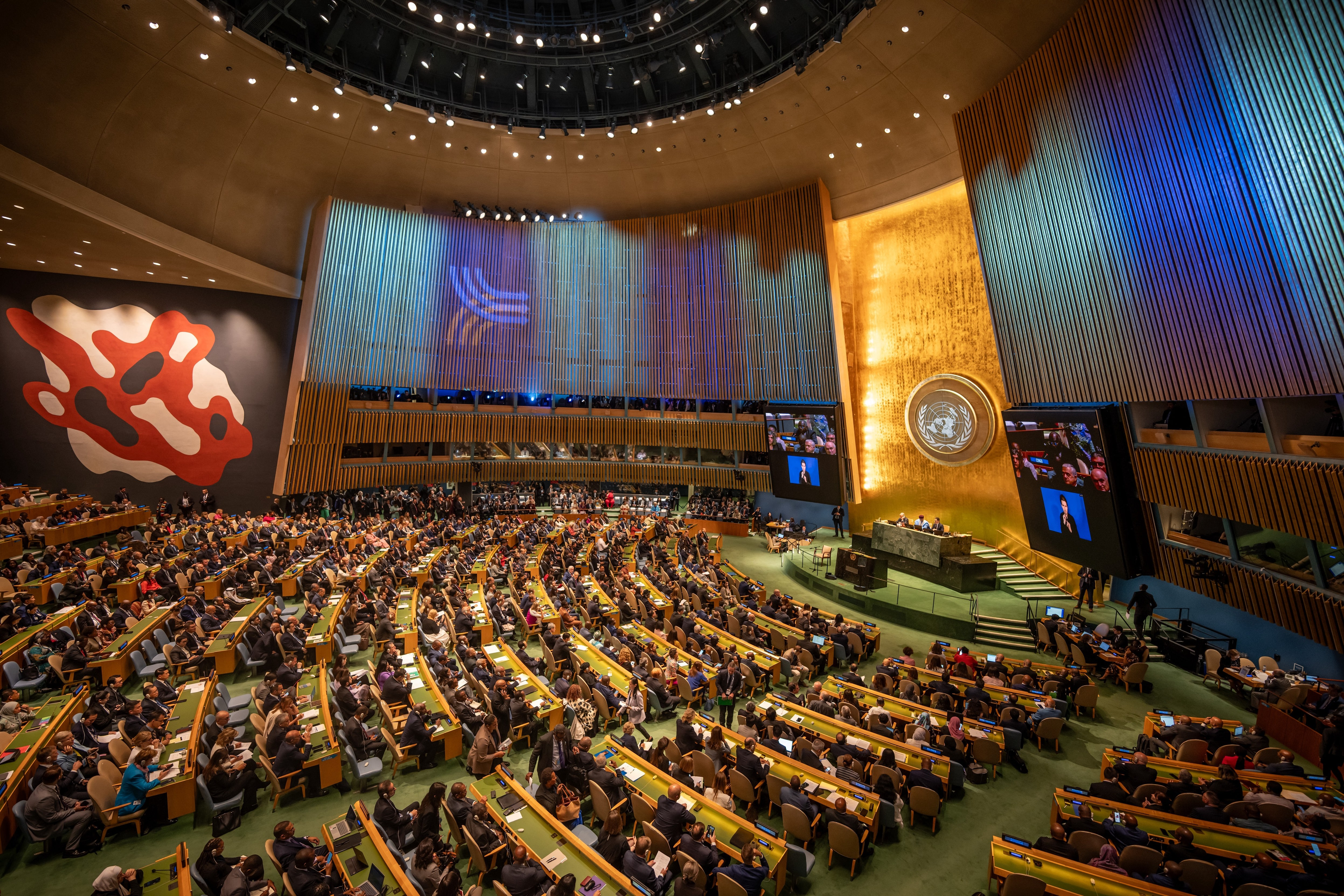
The United Nations General Assembly adopted a historic “Pact for the Future” on Sunday, marking a significant milestone toward enhanced global cooperation. U.N. Secretary-General Antonio Guterres hailed the agreement as a “step-change towards more effective, inclusive, networked multilateralism,” aimed at addressing the world’s most pressing challenges. The pact, adopted without a vote at the start of the two-day Summit of the Future, is the result of nine months of intense negotiations.

Guterres emphasized the urgency of the pact, stating, “We are here to bring multilateralism back from the brink.” He has long advocated for the summit and the agreement, which encompasses key themes such as peace and security, global governance, climate change, digital cooperation, human rights, gender equality, youth, and future generations. The pact includes 56 broad actions that nations have committed to implementing.

Why is it important?

The “Pact for the Future” is a timely response to mounting global crises that demand stronger multilateralism and U.N. reform. It focuses on reinforcing the multilateral system, with the United Nations and its Charter at its core, ensuring that international institutions remain fit for purpose in a rapidly changing world. The pact also includes a framework for responsible and sustainable digital cooperation, reflecting the increasing importance of technology governance.

Key Quotes from the Pact for the Future:

“We recognize that the multilateral system and its institutions, with the United Nations and its Charter at the centre, must be strengthened to keep pace with a changing world. They must be fit for the present and the future – effective and capable, prepared for the future, just, democratic, equitable and representative of today’s world, inclusive, interconnected and financially stable.

“Today, we pledge a new beginning in multilateralism. The actions in this Pact aim to ensure that the United Nations and other key multilateral institutions can deliver a better future for people and planet, enabling us to fulfil our existing commitments while rising to new and emerging challenges and opportunities.”

Context:

Global challenges such as ongoing wars in Ukraine, Gaza, and Sudan, insufficient climate change mitigation efforts, growing national debt issues, and rapid technological advancements without adequate governance have underscored the need for U.N. reform and a reimagined global cooperation framework.

Despite widespread support for the pact, Russia’s Deputy Foreign Affairs Minister Sergey Vershinin criticized the negotiations and the adoption of the agreement. Russia’s attempt to include an amendment—backed by countries like North Korea, Syria, Nicaragua, Belarus, and Iran—failed. The amendment sought to explicitly state that “the United Nations and its system shall not intervene in matters which are essentially within the domestic jurisdiction of any state.”

Ukraine Bans Official Use of Telegram Over Russian Spying Concerns

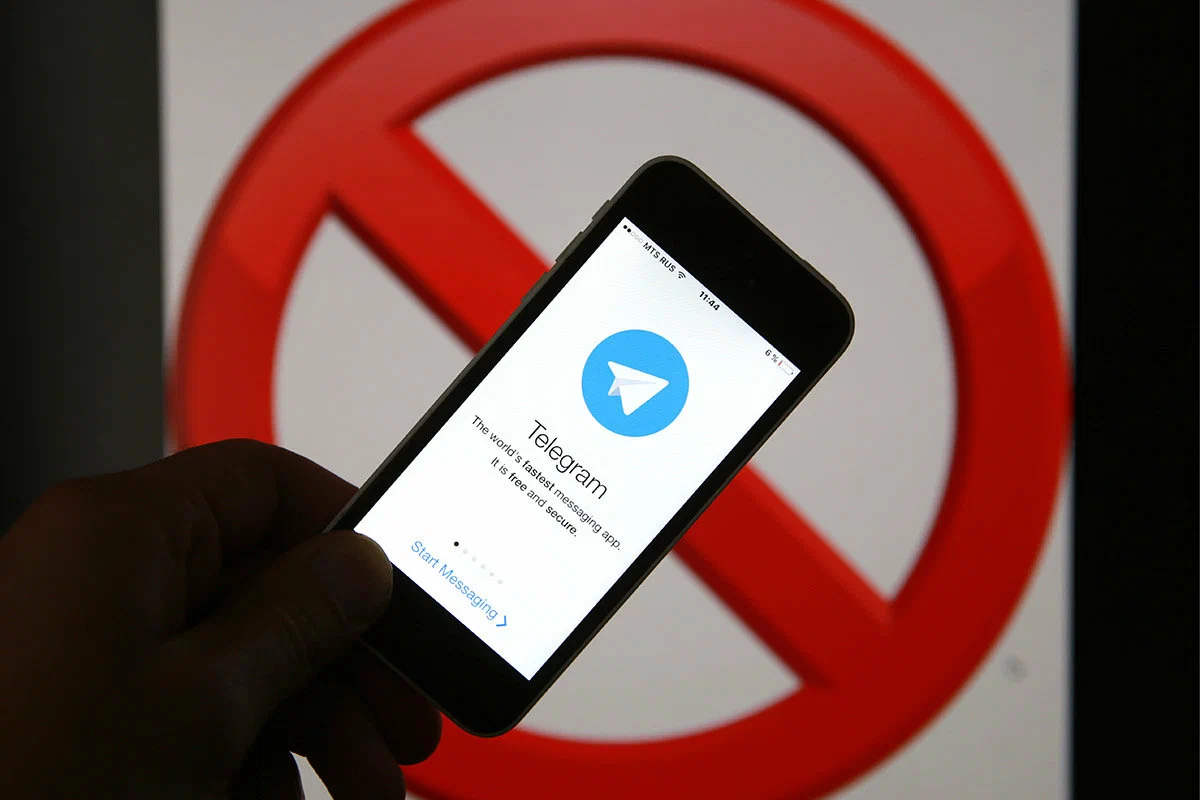
Ukraine has banned the use of the Telegram messaging app on official devices belonging to government officials, military personnel, and critical workers, citing fears that Russia could be using the platform to spy on messages and users. This decision was announced by Ukraine’s National Security and Defence Council on Friday, following a presentation by Kyrylo Budanov, head of Ukraine’s military intelligence agency, GUR, who provided evidence of Russian special services’ ability to intercept communications via the app.

Andriy Kovalenko, the head of the security council’s disinformation center, clarified that the restrictions only apply to official devices and do not extend to personal phones. Despite Telegram’s widespread use in both Ukraine and Russia, security officials have repeatedly raised concerns over its safety during the ongoing war.

Telegram, founded by Russian-born Pavel Durov, has been a significant communication tool since the start of the Russian invasion in February 2022. However, Ukraine’s security authorities believe that Russia’s special services can access Telegram messages, including deleted ones, as well as users’ personal data.

In response, Telegram issued a statement denying any cooperation with Russia or any other country, asserting that it had never provided access to any user data or messages. Telegram also reiterated that deleted messages are permanently erased and cannot be retrieved. They attributed any leaked messages to compromised devices, such as those infected with malware or seized by authorities.

While the Ukrainian government is restricting Telegram on official devices, the platform remains highly popular among Ukrainians. A survey found that 75% of Ukrainians use Telegram for communication, with 72% regarding it as a key source of information.