Yazılar

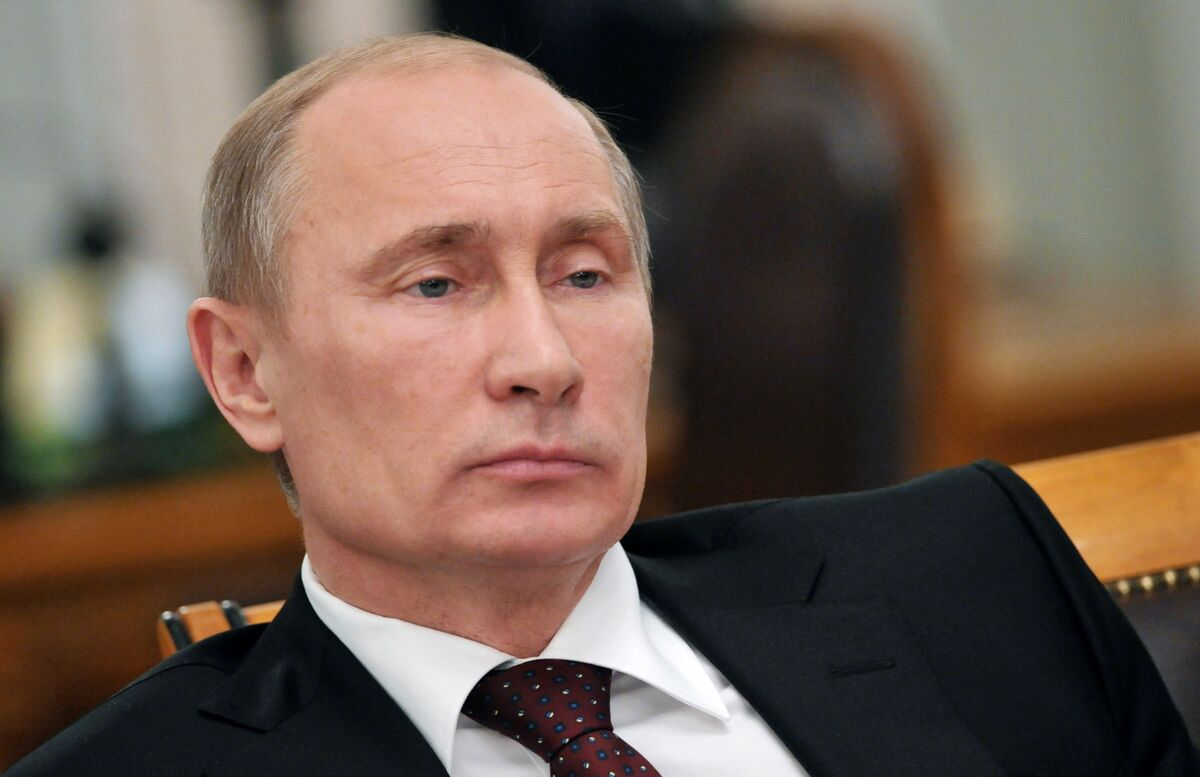
Putin’s Response to Ukraine Missiles Could Include Nuclear Test, Experts Say

As tensions between Russia and the West escalate over Ukraine, experts warn that Russian President Vladimir Putin may consider a nuclear test to demonstrate his seriousness if Western nations permit Ukraine to use long-range missiles against Russian targets. British Prime Minister Keir Starmer and U.S. President Joe Biden are currently discussing the possibility of supplying Kyiv with U.S. ATACMS and British Storm Shadow missiles, which could change the course of the conflict.

Putin issued a clear warning on Thursday, stating that the West would be directly involved in fighting Russia if such missiles were deployed. While he has promised an “appropriate” response, the specifics remain unclear. Ulrich Kuehn, an arms expert, suggested that Putin might consider testing a nuclear weapon as a dramatic escalation to convey intent and intimidate Western powers. Russia has not conducted a nuclear test since 1990, and a test now could signal a dangerous shift in the conflict’s trajectory.

Other experts, such as Gerhard Mangott from the University of Innsbruck, agree that a nuclear test, though unlikely, remains within the realm of possibility. They also highlight the risks of Russia escalating “hybrid” actions like sabotage in Europe or interference in Western elections. Russia’s UN ambassador, Vassily Nebenzia, warned that if NATO allowed Ukraine to use long-range weapons, it would be considered a direct conflict with a nuclear power.

Former Kremlin adviser Sergei Markov predicted that Moscow could also respond by targeting British military assets or engaging in hybrid warfare, such as striking British drones and warplanes near Russia. The potential for significant escalation, including attacks on Ukrainian infrastructure or further hybrid actions, remains a key concern, as analysts debate where Putin’s red lines truly lie.
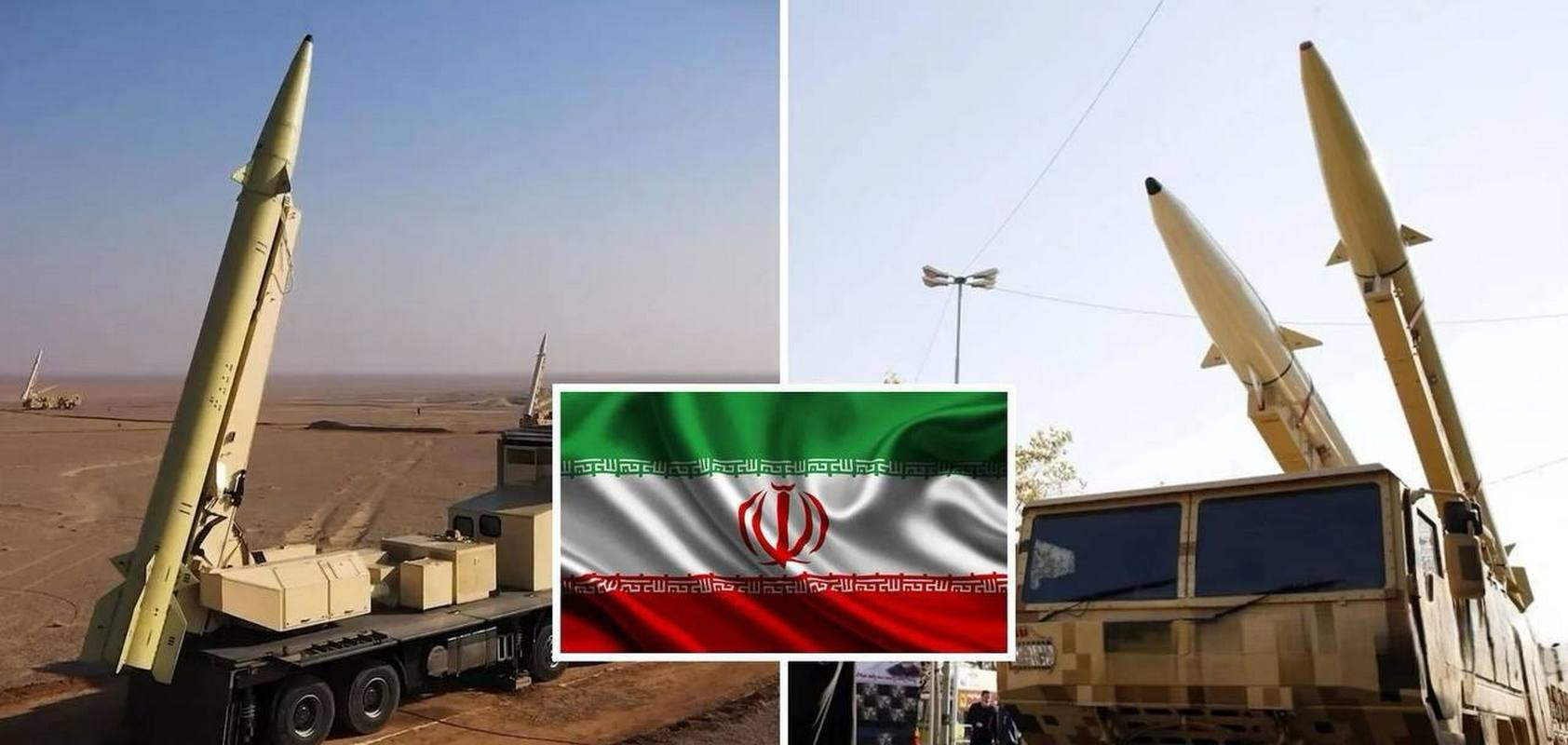
 

Iran Transfers Ballistic Missiles to Russia Amid Intensified Conflict

Recent reports indicate that Iran has transferred short-range ballistic missiles to Russia for use in the ongoing war against Ukraine, according to two sources familiar with the intelligence. This delivery, which was anticipated by US and Western officials for nearly a year, marks a significant escalation in Iran’s support for Russia’s military efforts.

The exact timing of the missile delivery remains unclear, but it coincides with a surge in Russia’s missile and drone attacks on Ukrainian cities. As Ukraine prepares for large-scale Russian assaults on its energy infrastructure this winter, Ukrainian President Volodymyr Zelensky has called for more air defense systems from allies.

National Security Council spokesperson Sean Savett condemned the transfer, stating that it represents a dramatic escalation in Iran’s support for Russia. Savett emphasized that the US and its partners are prepared to impose significant consequences, as highlighted in recent G7 and NATO summits.

Iran’s Permanent Mission to the United Nations has denied the transfer, maintaining that Iran opposes any military assistance that exacerbates the conflict and hinders ceasefire negotiations.

Negotiations for the ballistic missiles began as early as September, when Russian Defense Minister Sergei Shoigu visited Iran to inspect ballistic missile systems. In response to warnings from the G7, Iran displayed ballistic missiles to Russian officials in December, indicating their intent to sell the systems.

In addition to Iranian support, Russia has also received missile components from North Korea and significant military aid from China, which includes machine tools, drone and turbojet engines, and technology for cruise missiles.

Ukraine’s Military Struggles with Low Morale and Desertion Amid Ongoing Conflict

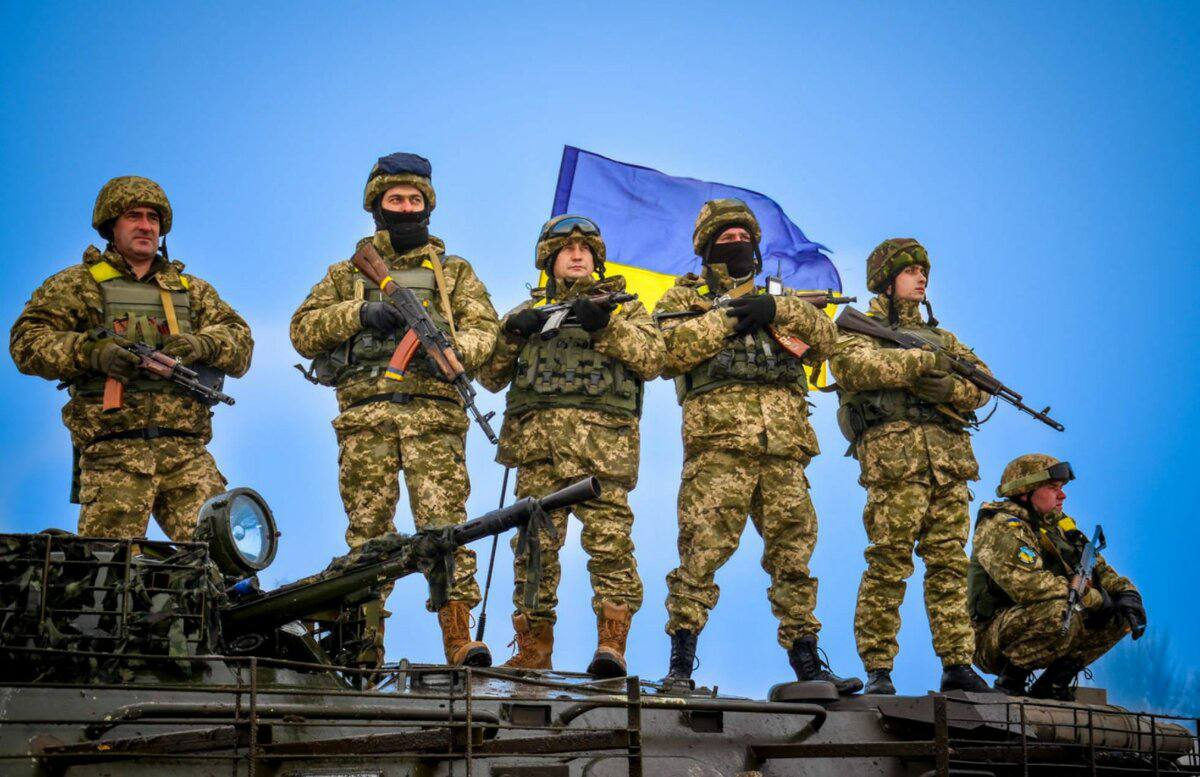
The Ukrainian military is facing severe challenges as it battles low morale and increasing desertion rates amid a prolonged and grueling conflict with Russia. Dima, a former battalion commander, reflects on the harsh realities of war. Having led around 800 men in intense battles near Pokrovsk, a key eastern town now perilously close to Russian capture, Dima found himself unable to continue amidst heavy losses and severe injuries among his troops. He has since shifted to a non-combat role in Kyiv.

The prolonged conflict, marked by a grinding Russian offensive, has left many Ukrainian units depleted and struggling. Reinforcements are scarce, leading to exhaustion and demoralization, particularly among infantry units. Six commanders and officers reveal widespread issues with desertion and insubordination, particularly among newly conscripted soldiers who were drafted under Ukraine’s new mobilization law.

Discipline problems have been exacerbated by a shortage of critical resources. Last winter and spring, delays in receiving US military aid led to a severe ammunition shortage, further eroding morale. Soldiers often found themselves in advantageous positions without the necessary artillery support, contributing to a sense of helplessness.

Desertion has become a significant concern, with nearly 19,000 soldiers facing criminal proceedings for abandoning their posts in the first four months of 2024 alone. The Ukrainian government has decriminalized first-time desertion and absence without leave, aiming to address the issue more constructively.

The eastern front, particularly around Pokrovsk, has become a critical battleground. Russian forces have been making steady advances, putting Ukrainian defenders at a disadvantage with a reported 10 to 1 ratio of Russian to Ukrainian soldiers. Communication issues and a lack of coordinated efforts between different units have further hampered Ukrainian defenses.

In response to these challenges, Ukraine’s Commander in Chief Oleksandr Syrskyi has acknowledged the importance of boosting morale, emphasizing efforts to improve soldiers’ well-being and addressing their concerns directly. Additionally, military officers, like Andryi Horetskyi, are focusing on providing psychological support and small comforts to help alleviate the monotony of war.

Despite these efforts, the ongoing conflict continues to strain the Ukrainian military. Many experienced officers, including Dima, are leaving frontline positions due to disagreements and the high toll of continuous combat, leaving units increasingly vulnerable.