Yazılar

Russian Gas Flow to EU Stable Amid Dispute with OMV

Russian Gas to Europe Remains Stable Despite Dispute with OMV

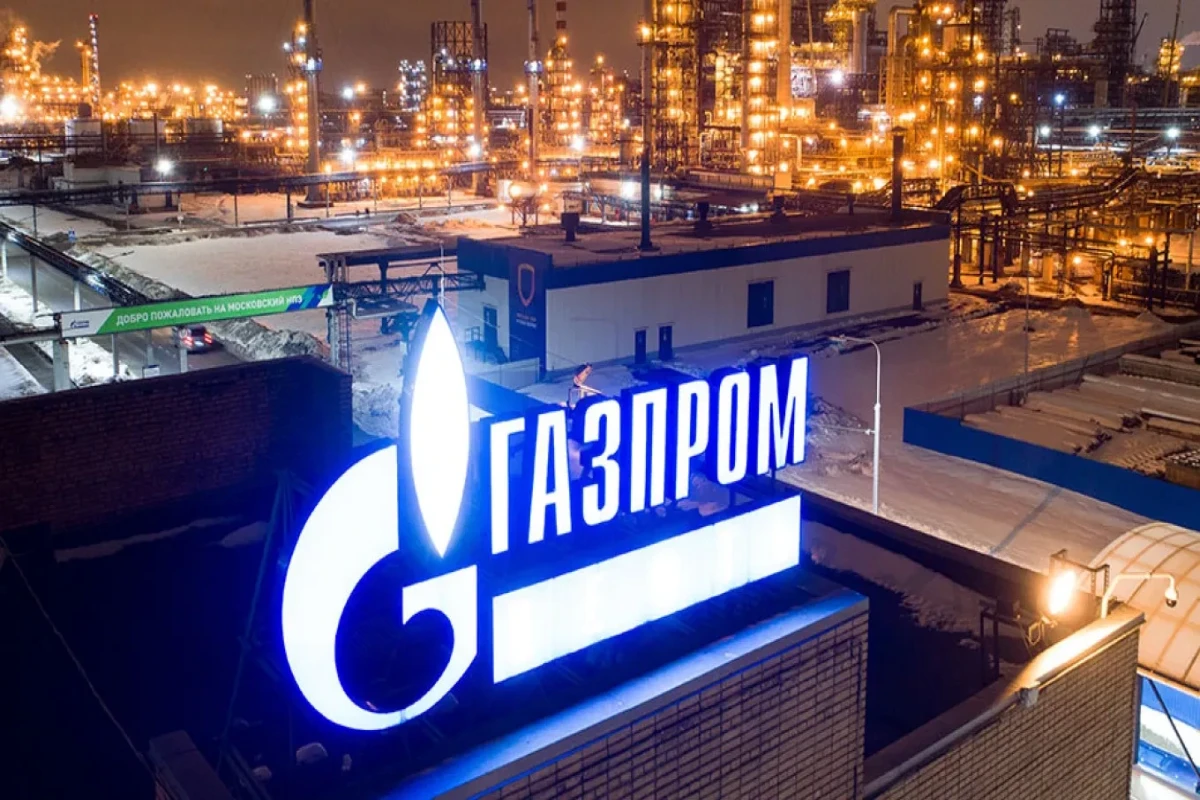
Russian gas exports to Europe via Ukraine have remained steady, with Gazprom confirming it would send 42.4 million cubic meters of gas to the continent on Tuesday, the same volume as Monday. Despite recent tensions between Gazprom and Austria’s OMV, which led to a suspension of supplies to OMV on Saturday, gas flows to the wider European market have not been significantly disrupted.


Dispute with OMV and Impact on Austrian Gas Flow

The halt in supply to OMV came after the company threatened to seize some of Gazprom’s gas in compensation for a recent arbitration victory regarding a contractual dispute. Despite this, gas flows into Austria from Slovakia have increased by 6% compared to Monday, although they remain about 12% lower than before the suspension of supplies to OMV.

It remains unclear who is purchasing the gas that was originally allocated to OMV. Gas nominations to other regions, including the Czech Republic and Slovakia, have remained steady, with no major disruptions observed.


Continued Stability in Gas Flows

While the situation with OMV remains unresolved, the overall gas flow to Europe from Russia via Ukraine and Slovakia continues to function within normal parameters. Nominations for gas entering Slovakia from Ukraine and leaving Slovakia have shown little fluctuation, indicating that the broader European gas market is managing the ongoing dispute without major setbacks.
Russia and Ukraine Exchange Unprecedented Drone Strikes Amid Ongoing Conflict

Russia and Ukraine engaged in an unprecedented exchange of drone strikes over the weekend, setting new records in terms of scale and intensity on both sides. Russian forces launched 145 drones towards Ukraine on Saturday night, marking the largest nighttime drone assault recorded in the ongoing conflict, Ukrainian President Volodymyr Zelensky announced.

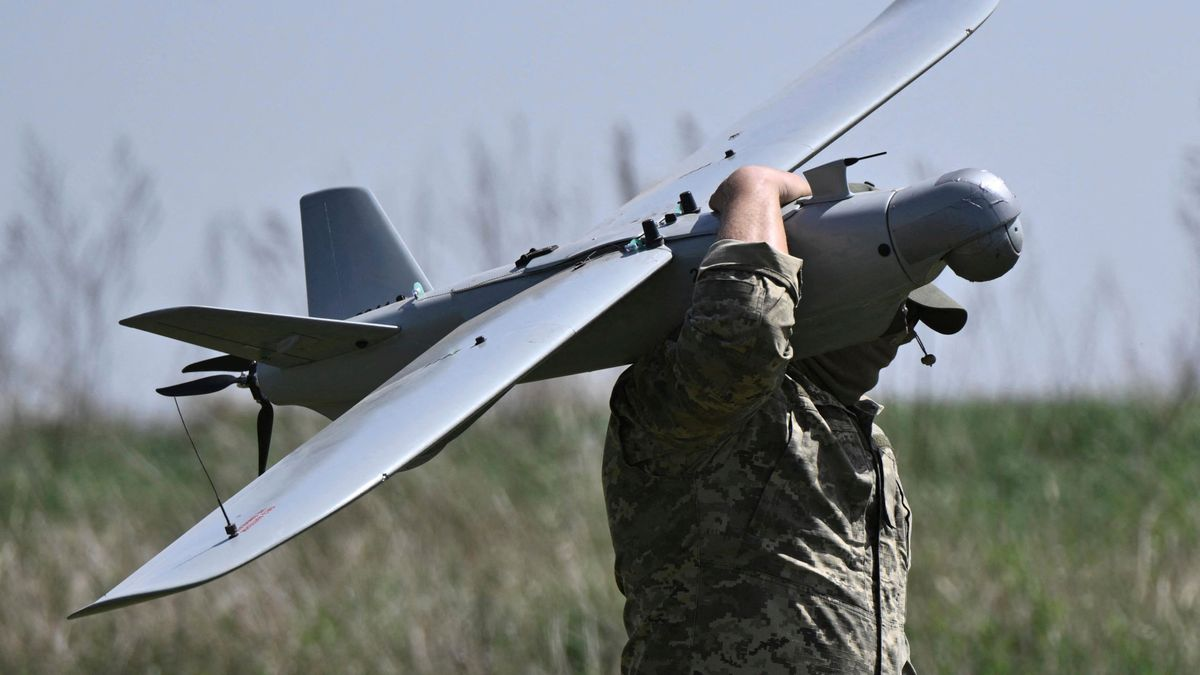
The drones used in the attack included Shahed drones, one-way, low-cost unmanned aerial vehicles (UAVs) with a preprogrammed flight path designed for direct strikes. President Zelensky noted that over the past week alone, Russia has deployed over 600 strike drones, more than 800 guided aerial bombs, and nearly 20 missiles of various types against Ukrainian targets.

In a statement on Sunday, Ukraine’s Air Force Command confirmed the scale of the assault, disclosing that 62 of the Russian drones were intercepted and shot down. Additionally, Ukrainian officials reported that 67 Russian drones were lost on radar in multiple regions across Ukraine, while 10 drones exited Ukrainian airspace, heading toward Moldova, Belarus, and Russia.

Ukraine, in response, launched its own record-breaking drone assault on Moscow overnight on Saturday. The Russian Ministry of Defense stated that Ukraine directed 34 drones towards the Russian capital, leading to disruptions at two Moscow airports. Russia’s air defenses reportedly intercepted and destroyed all drones in the Moscow area between 7 a.m. and 10 a.m. on Sunday.

The Moscow governor, Andrey Vorobyov, reported that the downed drones’ shrapnel led to fires in two homes in the Ramenskoye district. A 52-year-old woman sustained injuries from the debris and was admitted to the hospital with burns on her face, neck, and hands. She remains in intensive care.

Following the incident, flights at Domodedovo and Zhukovsky airports were temporarily restricted, with operations resuming after a brief two-hour suspension, according to TASS, Russia’s state media agency. Ukrainian authorities have yet to comment on the strikes.

Previously, the largest drone strike on Moscow occurred in September when Russia reported downing over 20 Ukrainian drones in a single assault. That attack led to the death of one person, closures at three of Moscow’s four main airports for over six hours, and nearly 50 diverted flights.


Key Countries Watching U.S. Presidential Election Outcomes

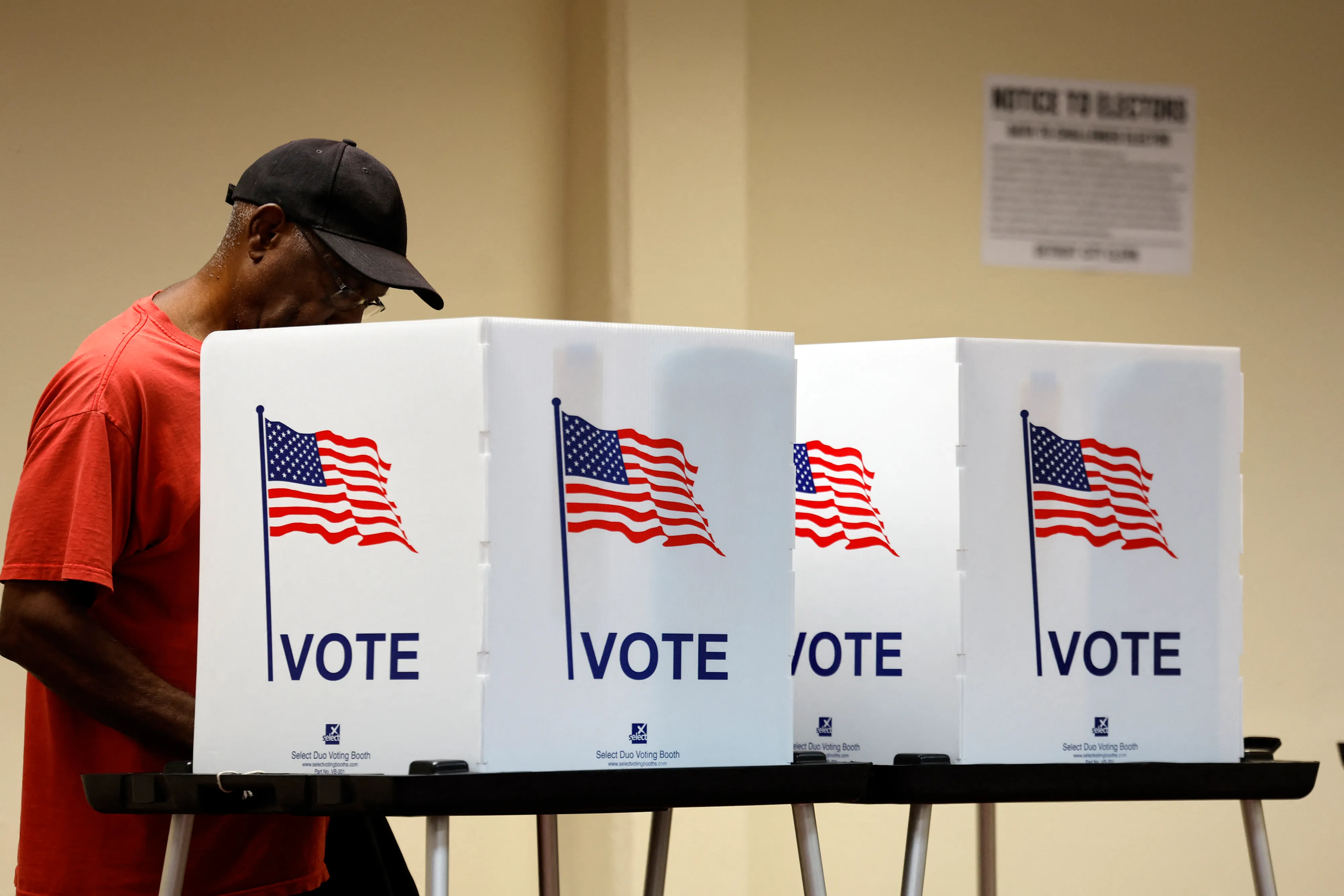
As the U.S. presidential election approaches, several countries are keenly observing the vote, recognizing the potential implications for global stability, economic health, and security. The outcomes could significantly influence geopolitical dynamics, especially for nations like Ukraine, China, Russia, Israel, and Iran.

China
China, the U.S.’s primary economic competitor, is closely monitoring the election results. Former President Donald Trump has indicated a desire to revive the trade war initiated during his previous administration, suggesting substantial tariff increases on Chinese imports. He has proposed raising tariffs by 60-100%, which could significantly impact American households by raising consumer costs. Although Vice President Kamala Harris’s campaign has criticized such sweeping tariffs, a Democratic administration may still maintain existing tariffs imposed during President Biden’s tenure. As China faces economic challenges, including sluggish consumer confidence and a housing slump, the election’s outcome may dictate the size of its forthcoming stimulus measures.

Ukraine
For Ukraine, the stakes are exceptionally high. The country remains reliant on U.S. military aid amid its ongoing conflict with Russia. Analysts suggest that a Trump presidency could lead to reduced support for Ukraine, potentially jeopardizing its territorial integrity. Trump has claimed he could resolve the conflict quickly but would likely press Ukraine into negotiations that could cost it significant territory currently under Russian control. Conversely, while Harris has promised continued support for Ukraine, her ability to secure additional funding may depend on Congress’s composition. The outcome of the election may force Ukraine to reconsider its reliance on U.S. support.

Israel and Iran
The Middle East also watches closely as both candidates pledge strong support for Israel. Trump has cultivated a reputation as a protector of Israel, highlighting past decisions that favor Israeli interests, such as recognizing Jerusalem as its capital. Polling indicates that many Israelis favor Trump for their national interests over Harris. In contrast, Harris has faced scrutiny for her criticism of Israeli military actions but has reaffirmed her commitment to Israel’s right to defense.

As for Iran, experts predict that a Trump administration could escalate tensions, possibly allowing for more aggressive actions against Iran’s nuclear facilities. Harris, on the other hand, is likely to maintain a diplomatic approach, continuing Biden’s policy of de-escalation in the region.

In summary, the U.S. election carries profound implications not only for American politics but also for global affairs, with countries like China, Ukraine, Israel, and Iran poised to react to the new administration’s policies.