Yazılar

US Withdraws China Military List

The United States has withdrawn an updated list of Chinese companies allegedly linked to Beijing’s military shortly after publishing it.

The document briefly included major technology firms such as Alibaba and Baidu, while removing memory chipmakers CXMT and YMTC. The sudden withdrawal sparked debate among policymakers concerned about China’s growing technological capabilities.

The Pentagon requested the notice be removed from public records without providing a reason. The list does not impose sanctions directly but can restrict future U.S. government contracts with listed companies.

The move comes amid efforts by Washington to maintain stability in relations with Beijing following a recent trade truce. Recent policy decisions have included easing certain technology export restrictions and delaying new measures targeting Chinese firms.

The development reflects the ongoing complexity of balancing national security concerns with diplomatic and economic considerations in U.S.-China technology relations.

US Commerce Department Withdraws Plan to Restrict Chinese-Made Drones

The U.S. Commerce Department said on Friday it has dropped plans to impose new restrictions on Chinese-made drones aimed at addressing national security concerns, stepping back from a proposal that followed an earlier crackdown on passenger cars and trucks.

The decision comes after the Federal Communications Commission last month barred imports of new models of foreign-made drones and critical components on national security grounds, including products from China’s DJI and Autel. The FCC said this week it would exempt some non-Chinese drones from those restrictions.

The Commerce Department had said in September that it planned to issue rules that could restrict or potentially block imports of Chinese drones due to concerns over information and communications technology supply chains. The proposal was sent to the White House for review on October 8, but was formally withdrawn on Thursday, according to a government website posting released on Friday.

Under the FCC’s current measures, Chinese drone manufacturers cannot obtain the approvals needed to sell new drone models or key components in the United States. However, the rules do not ban the import, sale or use of existing drone models previously authorized, nor do they affect drones already purchased by users.

Records posted online show that the White House and the Commerce Department discussed the drone proposal through December 19 and met with DJI officials on December 11. During those discussions, DJI argued that blanket restrictions on drones manufactured in China would be “unnecessary, conceptually flawed, and extremely harmful to U.S. stakeholders.”

The withdrawal appears to be linked to a broader pause in actions targeting China ahead of a planned meeting in April between U.S. President Donald Trump and Chinese President Xi Jinping, according to a government official briefed on the matter.

The Commerce Department had previously warned that threats from China and Russia could allow adversaries to remotely access or manipulate drone systems, potentially exposing sensitive U.S. data. It had also been considering restrictions on key drone systems such as onboard computers, communications equipment, flight control systems, operating software and data storage — measures that some experts said could amount to an effective ban on Chinese drones.

Chinese imports account for the majority of commercial drone sales in the United States, with DJI alone representing more than half of the market. Neither the Commerce Department nor DJI immediately responded to requests for comment.

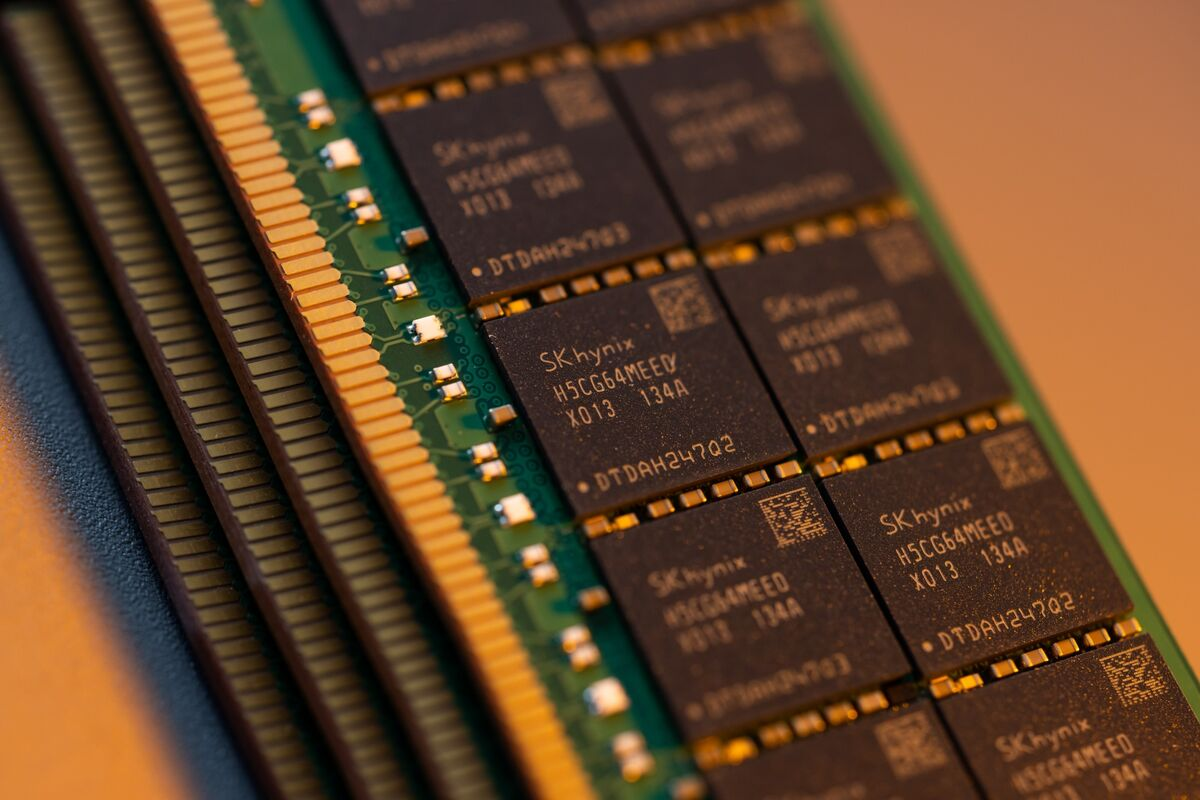
US May Target Samsung, Hynix, and TSMC Operations in China by Revoking Trade Authorizations

The U.S. Department of Commerce is considering revoking authorizations granted in recent years to major chipmakers Samsung, SK Hynix, and TSMC that allow them to receive U.S. goods and technology at their manufacturing plants in China, sources familiar with the matter said. This potential move would complicate operations for these foreign semiconductor firms in China, where they produce chips used across many industries.

While the likelihood of the U.S. actually withdrawing these authorizations remains uncertain, officials view the tactic as a contingency if the current trade truce between the U.S. and China deteriorates. A White House official emphasized that the U.S. is “just laying the groundwork” and expressed confidence the trade agreement would continue, including the agreed supply of rare earth minerals from China. The official clarified that “there is currently no intention of deploying this tactic,” but it remains a tool in case bilateral relations worsen.

Following early reports, shares of U.S. semiconductor equipment suppliers that serve Chinese plants dropped: KLA Corp fell 2.4%, Lam Research declined 1.9%, and Applied Materials sank 2%. Conversely, shares of Micron Technology, a key competitor to Samsung and SK Hynix in memory chips, rose 1.5%.

TSMC declined to comment, while Samsung and SK Hynix did not respond to requests for comment. Lam Research, KLA, and Applied Materials also did not immediately respond.

Background: In October 2022, the U.S. imposed broad restrictions on chipmaking equipment exports to China but provided foreign firms like Samsung and SK Hynix with letters authorizing shipments. In 2023 and 2024, these companies received “Validated End User” (VEU) status, which allows them to obtain U.S.-controlled products more quickly and reliably without needing multiple export licenses. However, VEU status comes with conditions such as equipment prohibitions and reporting requirements.

A Commerce Department spokesperson said chipmakers would still be able to operate in China if the authorizations are revoked. The enforcement mechanisms would align with licensing rules for other semiconductor firms exporting to China, ensuring the U.S. applies an equal and reciprocal approach.

Industry insiders warn that stricter U.S. controls could unintentionally benefit Chinese domestic competitors by making it harder for foreign companies to receive equipment, calling such a move “a gift” to China’s semiconductor industry.