Yazılar

T-Mobile and Starlink to Launch Satellite Connectivity for $15 a Month

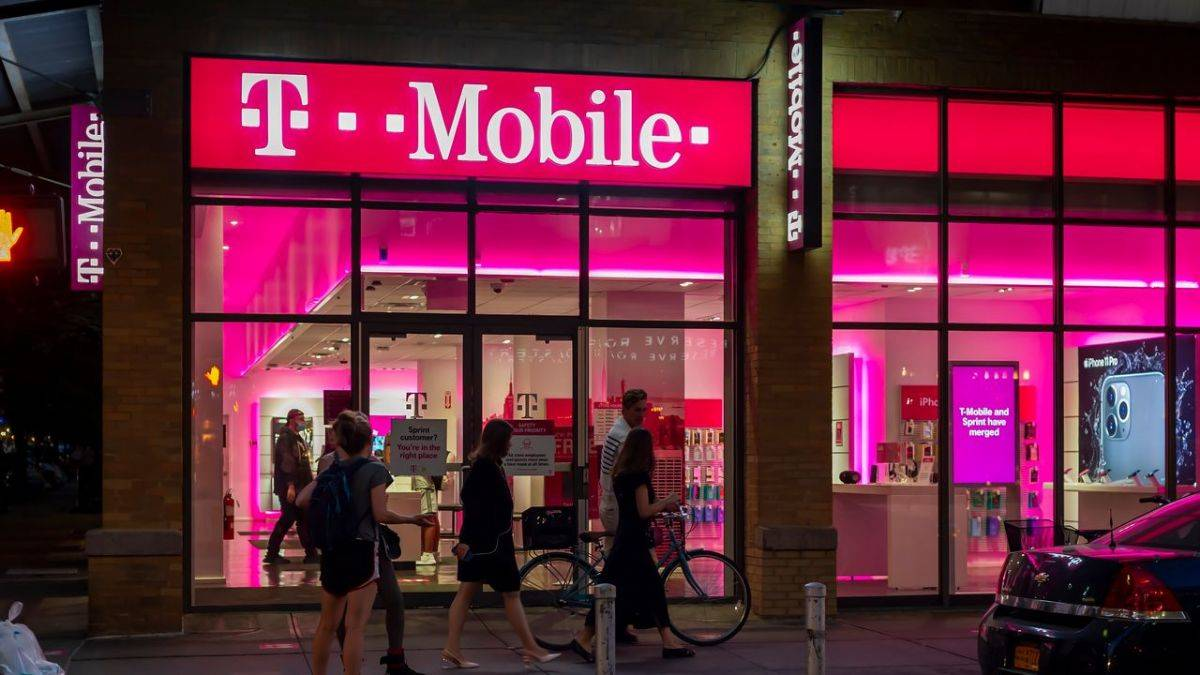
T-Mobile has announced that it will launch its satellite-to-cell service, powered by SpaceX’s Starlink, in July at a cost of $15 per month. The initiative aims to eliminate mobile dead zones and provide connectivity to remote areas, marking a significant advancement in mobile technology. T-Mobile’s shares rose by approximately 4% in premarket trading on Monday following the announcement.

The satellite service will address coverage gaps in regions of the U.S. that are inaccessible by traditional cell towers, with T-Mobile stating that 500,000 square miles of such areas will now have connectivity. A beta trial for the service began on Sunday, with T-Mobile offering the service free to customers until the official launch. After that, the service will be included at no additional cost for customers on the premium Go5G Next plan. Other plan customers will receive a 33% discount when the service officially launches.

In a groundbreaking move, T-Mobile will make the Starlink service available to customers of all U.S. wireless providers, including AT&T and Verizon, without requiring them to switch. The initial beta version of the service will provide text messaging via satellite, with voice and data features planned for later.

Mike Katz, T-Mobile’s president of marketing, strategy, and products, emphasized that the service is unique in the U.S. and will work across most smartphones from the last four years, thanks to partnerships with Apple and Google for seamless integration with their operating systems. This satellite service is expected to revolutionize connectivity for users in hard-to-reach areas.


T-Mobile Expects Strong 2025 Growth as Premium 5G Plans Drive Demand

T-Mobile (TMUS.O) has projected robust subscriber growth in 2025, surpassing Wall Street expectations due to strong demand for premium 5G plans. The company’s shares rose over 7% following the announcement.

Key Highlights:

  • Subscriber Growth Projection:
    • Expected postpaid net additions: 5.5M – 6M (vs. 2.7M estimate).
    • Q4 postpaid phone net additions: 903,000 (beating 858,500 estimate).
  • Premium 5G Plan Success:
    • Go5G Next & Go5G Plus plans bundle Netflix, Apple TV+ with high-speed internet.
    • 60%+ of new customers opt for top-tier plans.
  • Competitive Gains & Market Expansion:
    • Holiday promotions and AI-powered iPhone sales attracted switchers from rivals.
    • Growth strategy includes rural markets & fixed wireless access.
  • Financial & Operational Performance:
    • Revenue: $21.87B (above $21.31B estimate).
    • High-speed internet adds: 428,000 (vs. 402,000 estimate).
    • Postpaid churn rate: 0.92% (up from 0.86% in Q3).

T-Mobile’s strong performance caps a solid quarter for U.S. telecoms, with AT&T and Verizon also exceeding subscriber expectations.

Chinese Hack of U.S. Telecoms Compromised More Firms, WSJ Reports

A Chinese cyberattack has compromised more U.S. telecom companies than previously reported, including Charter Communications (CHTR.O), Consolidated Communications (CCII.UL), and Windstream, according to a Wall Street Journal report. Hackers exploited unpatched devices from security vendor Fortinet and compromised routers from Cisco Systems (CSCO.O), infiltrating networks of major firms such as AT&T (T.N), Verizon (VZ.N), Lumen Technologies (LUMN.N), and T-Mobile (TMUS.O).

The attack, linked to the Chinese-backed Salt Typhoon cyberespionage operation, raised concerns about the scale of the breach and the vulnerability of critical infrastructure. U.S. national security adviser Jake Sullivan warned telecom and tech executives that Chinese hackers could potentially disrupt U.S. ports, power grids, and other infrastructure. The affected companies have since secured their networks and worked with law enforcement and government officials to mitigate further damage. However, the hack is a reminder of the growing risks of state-sponsored cyberattacks.