Yazılar

Amazon’s Zoox to Expand Robotaxi Production Ahead of U.S. Rollout, FT Reports

Zoox, the self-driving vehicle subsidiary of Amazon, plans to scale up production in 2025 as it prepares for a broader commercial rollout of its robotaxi fleet across the U.S., according to a report by the Financial Times on Wednesday.

Co-founder Jesse Levinson said the company will open a new facility in California’s Bay Area, significantly expanding beyond its current production site in Fremont. The new location is expected to support Zoox’s goal of producing hundreds—eventually thousands—of custom-built robotaxis.

To date, Zoox has deployed about two dozen purpose-built autonomous vehicles across six U.S. cities. It plans to begin public ride services in Las Vegas this year, with San Francisco to follow.

The expansion comes amid a shift in federal regulatory attitudes toward self-driving technology, as the Trump administration recently signaled plans to ease some vehicle safety regulations and reduce mandatory incident reporting, in an effort to accelerate autonomous vehicle deployment.

Zoox joins a crowded field of competitors in the U.S. robotaxi market, including Tesla, Waymo (owned by Google’s parent Alphabet), and GM’s Cruise. All have faced regulatory scrutiny, with U.S. authorities investigating safety issues related to autonomous driving systems—including vehicles operated by Zoox.

Uber Teams Up with Pony AI to Launch Self-Driving Taxis in Middle East Pilot Program

Uber announced on Tuesday a new partnership with China-based autonomous driving company Pony AI, marking its latest move to expand into the robotaxi market. The collaboration will begin with a pilot launch in a key Middle Eastern market later this year, with plans for further international rollout.

During the pilot phase, Pony AI vehicles will operate with onboard safety drivers, with the goal of transitioning to fully autonomous commercial service as regulatory and technical milestones are met.

The deal is part of Uber’s growing portfolio of partnerships aimed at strengthening its foothold in self-driving mobility, as it competes with rivals like Lyft and Tesla. In recent weeks, Uber also announced collaborations with May Mobility and Momenta, and expanded its strategic alliances with WeRide and Alphabet’s Waymo.

Pony AI shares rose nearly 13% in premarket trading following the news, while Uber shares dipped slightly by 1%. Pony AI, which went public on Nasdaq in November, is backed by Toyota and has active robotaxi licenses in major Chinese cities including Beijing, Shanghai, Guangzhou, and Shenzhen. The company is also exploring expansions into South Korea, Luxembourg, Hong Kong, and other international markets.

As the U.S. government continues to ease certain regulatory barriers for self-driving vehicles—while requiring incident reporting—companies like Uber and Pony AI are accelerating efforts toward large-scale robotaxi deployment.

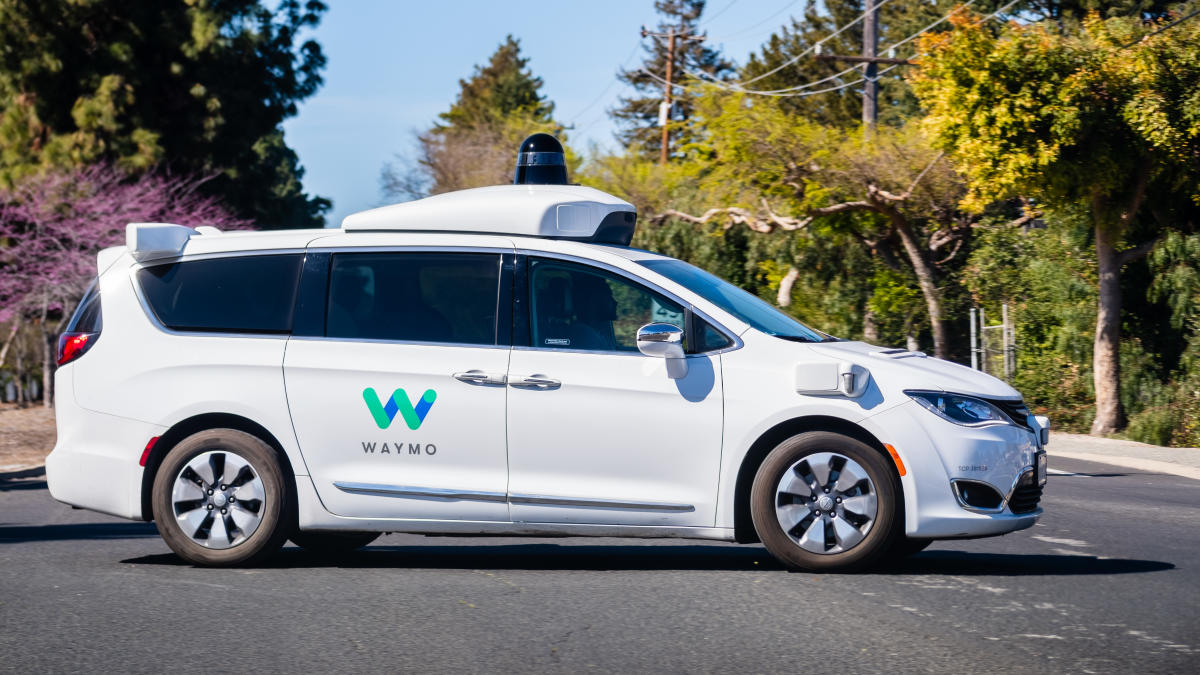
Waymo Targets 2026 Launch of Autonomous Ride-Hailing Service in Washington, D.C.

Alphabet’s self-driving division, Waymo, has announced its plans to roll out its fully autonomous ride-hailing service in Washington, D.C. by 2026. The company, which has already expanded its service to several major U.S. cities, aims to introduce its driverless technology to the U.S. capital in the coming year.

Expanding Autonomous Services to Washington, D.C.

Waymo has been progressively moving its self-driving vehicles to Washington, D.C. since January, with more vehicles expected to be deployed over the coming weeks. While the city currently does not allow for fully autonomous vehicles without a human behind the wheel, Waymo intends to work closely with local policymakers to develop the necessary legal framework for the service.

Waymo One, the company’s self-driving ride-hailing service, has already gained significant traction in other cities, including San Francisco, Phoenix, Los Angeles, and Austin, where it provides over 200,000 paid trips weekly. The company plans to expand to Atlanta and Miami next before launching in Washington, D.C.

Regulatory Challenges and Funding

The announcement comes amid growing interest in autonomous vehicle deployment, especially in Washington, D.C., where federal regulators and lawmakers are located. Tech companies, including Waymo, have urged the government to expedite vehicle approvals and establish clearer regulations for autonomous vehicles.

In October 2024, Waymo closed a $5.6 billion funding round led by its parent company, Alphabet, which will help support the expansion of its self-driving services despite ongoing safety concerns raised by regulators.

Safety Concerns and Recalls

Waymo’s autonomous vehicles have faced scrutiny from the National Highway Traffic Safety Administration (NHTSA), which opened an investigation in May 2024 after receiving multiple reports of the company’s robotaxis exhibiting unexpected behavior, including traffic violations and collisions. In response to these incidents, Waymo issued several recalls, including a recall in June 2024 of 672 vehicles after one of its driverless cars hit a utility pole in Phoenix.

Despite these challenges, Waymo claims that based on data from over 50 million rider-only miles (80.5 million kilometers), its vehicles have been involved in 81% fewer injury-causing crashes compared to average human drivers.

Conclusion

Waymo’s plans for the 2026 launch of its autonomous ride-hailing service in Washington, D.C. represent a significant milestone in the development of self-driving technology. While the company faces regulatory hurdles and safety concerns, it continues to push forward with its vision for a future without human drivers.