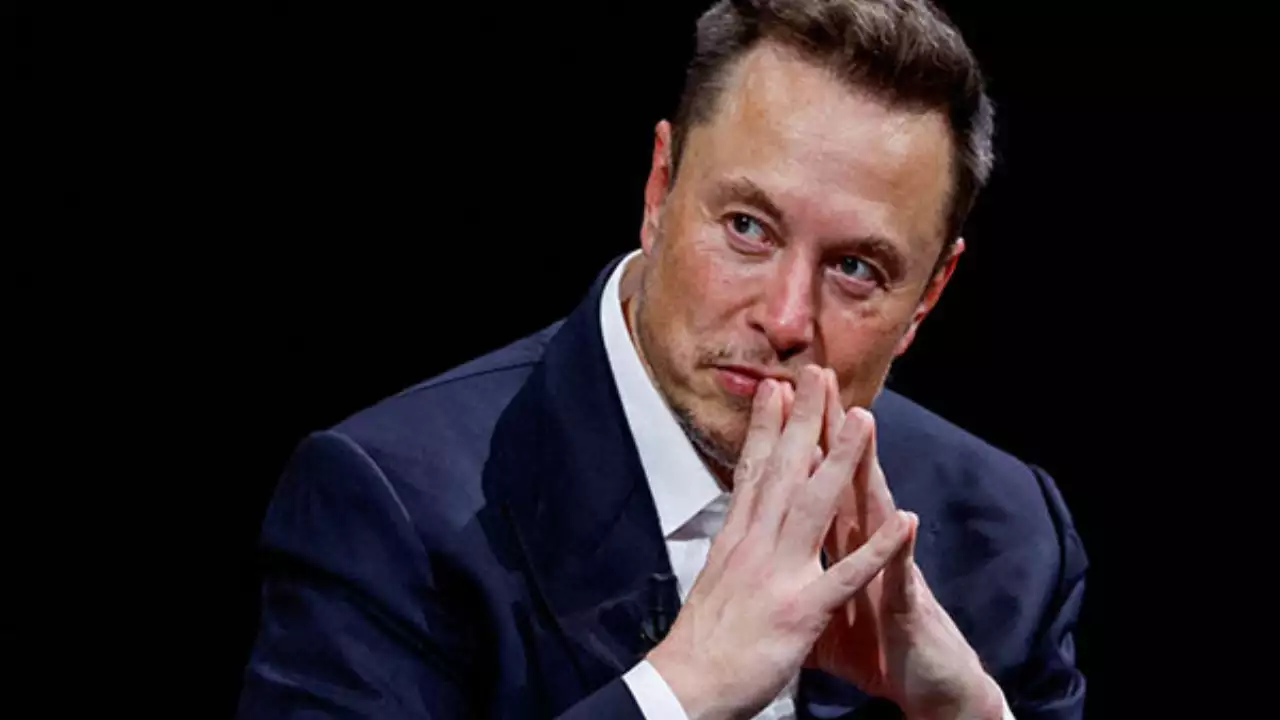
Elon Musk’s X Aims for Reentry in Brazil, Backtracks on Censorship Dispute
X Declares Access in Brazil “Crucial for a Thriving Democracy,” Announces Plans for Return Devamını Oku

X Declares Access in Brazil “Crucial for a Thriving Democracy,” Announces Plans for Return Devamını Oku
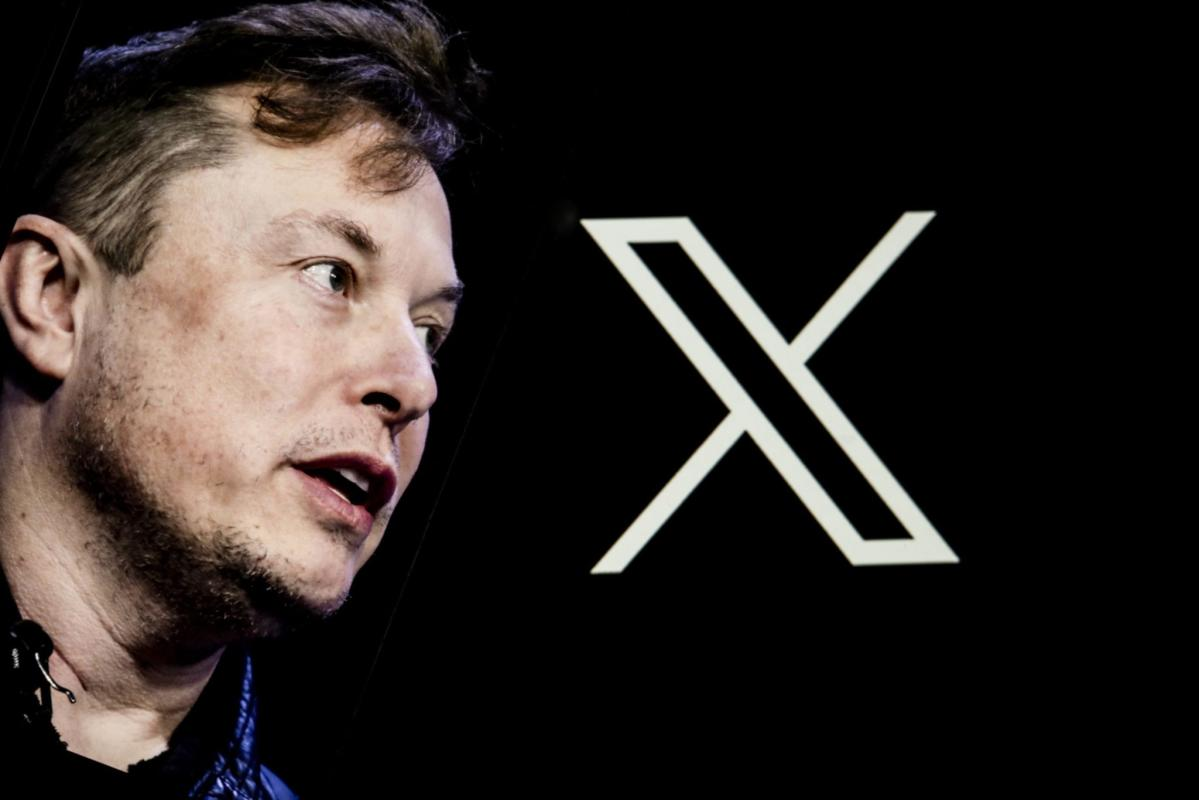
The social media platform formerly known as Twitter, now X, has seen its value plunge nearly 80% since Elon Musk acquired it in October 2022. This staggering drop in valuation comes from estimates provided by Fidelity, a major investment firm that owns shares in X through its Blue Chip Growth Fund.
When Musk took Twitter private for $44 billion, it was a highly publicized acquisition. However, as of August 2024, Fidelity estimates that its shares in X are worth only $4.2 million, suggesting that the overall valuation of the company now stands at $9.4 billion—a far cry from the original purchase price. This represents a 24% drop from Fidelity’s own estimate in July and a 79% decline from its original valuation at the time of Musk’s purchase.
Fidelity’s assessment aligns with analysts’ concerns over X’s shrinking ad revenue, an issue compounded by the platform’s failure to publicly release financial metrics. Advertising has been a significant pain point for X since Musk’s acquisition, particularly with advertisers expressing discomfort over extreme content appearing on the platform. A Kantar global survey recently revealed that 26% of marketers plan to reduce ad spending on X in the coming year, with concerns over brand safety. Only 4% of advertisers believed their ads were safe from appearing near problematic content on X, compared to 39% on Google.
Musk’s public behavior has also contributed to advertiser unease. In November, he faced backlash after endorsing an antisemitic conspiracy theory. While he later apologized, he infamously told advertisers who were halting spending on X: “Go f**k yourself.”
Despite these setbacks, X remains a key player in social media with 570 million monthly active users in the second quarter of 2024, reflecting a 6% growth year-over-year. However, Similarweb data indicated declining engagement, particularly in the U.S., where X’s monthly active users on iOS and Android dropped 11% from the previous year and 20% since Musk’s acquisition.
While Fidelity’s valuation implies significant losses, not all experts agree with the extent of the decline. Gene Munster, managing partner at Deepwater Asset Management, argues that Fidelity is “overly aggressive” in its devaluation, believing the firm is simply cleaning house on its investment. Munster sees a longer-term potential in X’s vast data, particularly as a critical source of training material for Grok, an AI chatbot developed by xAI, Musk’s AI startup.
Dan Ives, an analyst at Wedbush Securities, suggested that Musk may have initially overpaid for Twitter, estimating its worth closer to $30 billion at the time of purchase and $15 billion today. However, Munster maintains optimism, noting that X’s value lies in the unique real-time data it provides, which is becoming increasingly valuable in the AI landscape. He added that Musk’s acquisition of Twitter might be a case of being “better lucky than smart,” given the rapid developments in AI.
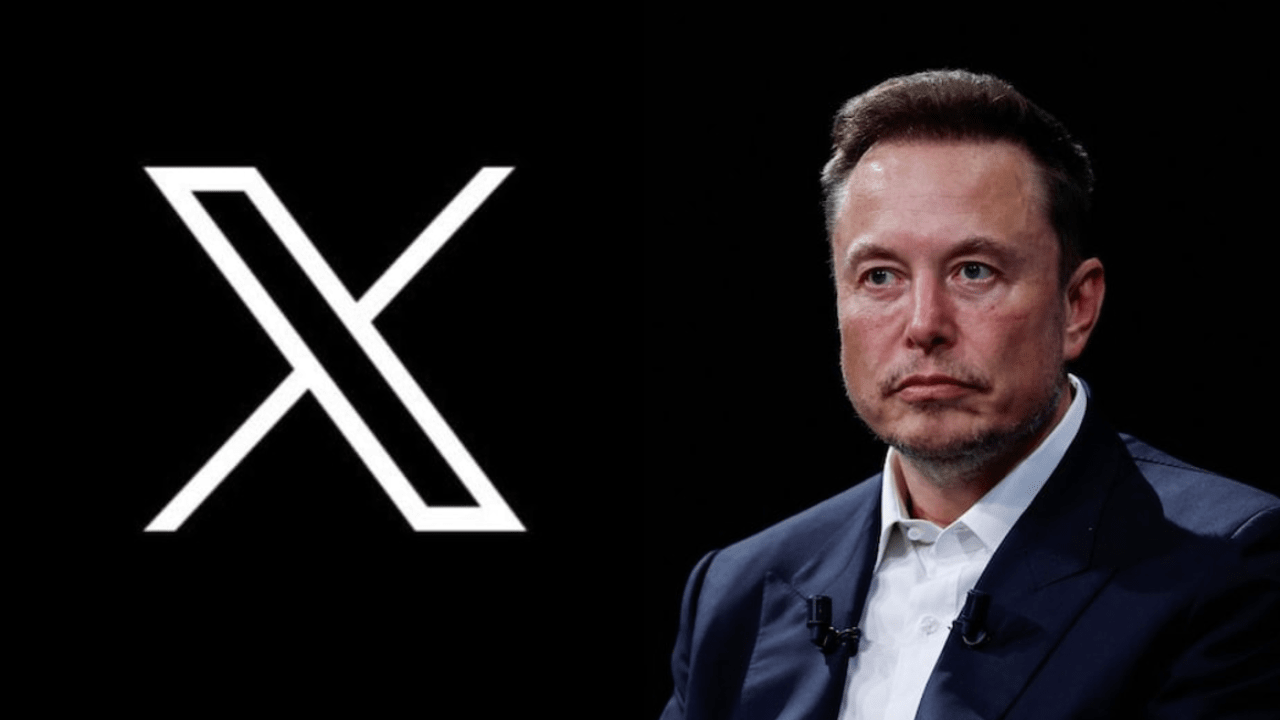
Elon Musk’s social media platform X is set to be restored in Brazil after it fulfills one last condition: the payment of an additional fine. Brazil’s top justice, Alexandre de Moraes, issued a ruling on Friday requiring the platform to pay 10 million reals (approximately $2 million) for two more days of non-compliance with previous court orders. Rachel de Oliveira, X’s legal representative in Brazil, is also liable for a separate fine of 300,000 reals.
The legal battle between X and the Brazilian government dates back to April, when de Moraes, a justice of the Supremo Tribunal Federal (STF), launched an investigation into Musk and X for allegedly obstructing justice. Musk had previously vowed to defy court orders to remove specific accounts, which he described as “censorship.” This defiance culminated in the platform being suspended at the end of August, a ruling upheld by a judicial panel on September 2.
Earlier this month, X informed Brazil’s supreme court that it was now compliant with its orders. Despite this, the additional fine was imposed for X’s delayed adherence. The ongoing conflict escalated after Musk criticized de Moraes publicly, calling him a “criminal” and urging the U.S. to cease foreign aid to Brazil.
In mid-August, Musk also closed X’s offices in Brazil, leaving the company without a legally required representative. Following this, the STF issued an ultimatum, threatening a nationwide ban on X and further fines if the platform did not comply with orders to remove certain accounts accused of harming federal agents.
The case became even more complex when the STF froze the business assets of Musk’s companies, including X and Starlink, as the court viewed them as interconnected entities. Musk responded by threatening reciprocal legal action against the Brazilian government unless his company’s assets were returned.
Justice de Moraes has been a strong advocate for federal regulation to combat hate speech and misinformation online, leading to pushback from tech companies and far-right officials, including former President Jair Bolsonaro and his supporters. Musk, who has criticized Brazil’s current President Luiz Inacio Lula da Silva, has maintained a long-standing relationship with Bolsonaro, who previously authorized SpaceX to operate in Brazil.
Though Musk portrays himself as a defender of free speech, his leadership at X has drawn criticism. Under his management, X has complied with government takedown requests in countries like Turkey and India, with compliance rates increasing significantly in 2023 compared to the previous year.
X now faces increased competition in Brazil, with Meta’s Threads and Bluesky gaining users during its suspension. Starlink, Musk’s satellite internet business, also faces competition from French-American firm eSpace, which was recently authorized to provide services in Brazil.
Lukas Darien, a law professor at Facex University Center in Brazil, commented on the implications of the case, noting that it sets a precedent for large technology companies. “This case demonstrates that laws will be enforced in Brazil, regardless of the size or influence of the business,” Darien said.
On Thursday, X Global Government Affairs released a statement affirming its commitment to free speech, stating: “X is committed to protecting free speech within the boundaries of the law… We believe that the people of Brazil having access to X is essential for a thriving democracy.”