
Yazılar

Malaysia Grants Licences to WeChat and TikTok Under New Social Media Law

Malaysia’s communications regulator has granted licences to WeChat and TikTok to operate under the country’s new social media law, which aims to combat rising cybercrime. The law, which took effect on January 1, mandates that social media platforms and messaging services with more than 8 million users in Malaysia must obtain a licence, or face legal action.

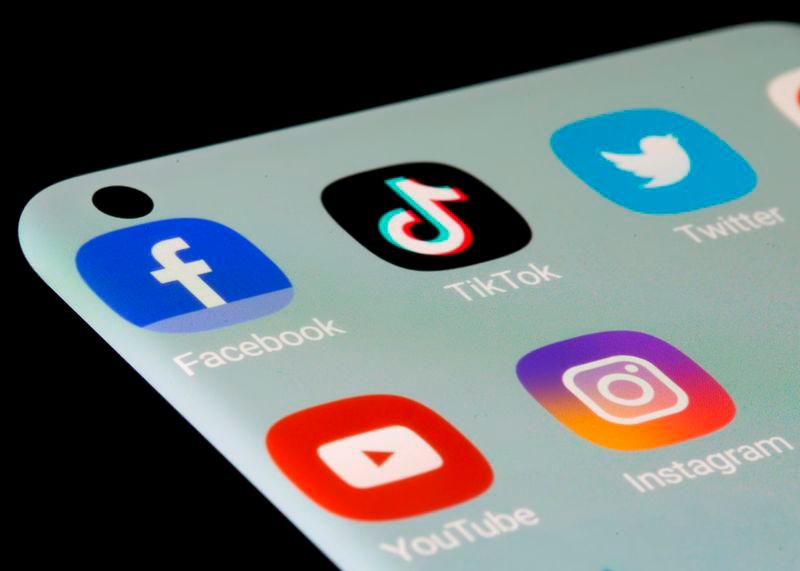
The Malaysian Communications and Multimedia Commission (MCMC) announced on Wednesday that Tencent’s WeChat and ByteDance’s TikTok have been granted their licences. Messaging platform Telegram is in the final stages of the application process, while Meta Platforms, which owns Facebook, Instagram, and WhatsApp, has begun the licensing procedure.

However, some platforms have not applied for the licence. X (formerly Twitter) has not submitted an application, stating that its local user base does not exceed the 8 million threshold. The regulator is currently reviewing the validity of this claim. Additionally, Alphabet’s Google, which operates YouTube, has not applied for a licence either, citing concerns about YouTube’s video-sharing features and how they relate to the new law. The MCMC has indicated that YouTube must still comply with the licensing requirements.

The law requires platforms to adhere to guidelines to curb harmful content, including online gambling, scams, child pornography, cyberbullying, and offensive content related to race, religion, and royalty. Malaysia has seen an uptick in harmful social media content in early 2024, prompting authorities to urge platforms like Meta and TikTok to enhance their monitoring efforts.

While companies do not disclose their user numbers per country, independent data suggests WeChat has 12 million users in Malaysia, while TikTok has around 28.68 million users aged 18 and above. Facebook has 22.35 million users, YouTube has 24.1 million users, and X has 5.71 million users in the country.
 

Musk’s xAI Releases Free Access to Grok-2 AI Chatbot

Elon Musk’s artificial intelligence company, xAI, announced on Saturday that the latest version of its chatbot, Grok-2, will now be available free of charge to all users of the social media platform X (formerly Twitter).

According to xAI, users subscribed to the Premium and Premium+ tiers of the platform will benefit from higher usage limits and early access to future capabilities of the chatbot. The announcement, made via the company’s blog, emphasized that these premium users will continue to enjoy priority features as new updates roll out.

xAI revealed that it has been conducting quiet testing of the updated Grok-2 model over the past few weeks to refine its functionality and enhance its performance.

This move aligns with Musk’s vision of integrating artificial intelligence into everyday user interactions on X, leveraging Grok-2 to provide innovative tools and services to the platform’s growing user base.


Australia Proposes Groundbreaking Ban on Social Media for Under-16s

Australia’s centre-left government introduced a landmark bill in parliament on Thursday, seeking to prohibit social media use for individuals under 16 years old. The proposed legislation is poised to implement some of the most stringent restrictions globally, holding platforms accountable with fines reaching up to A$49.5 million (approximately $32 million or Rs. 270 crore) for systemic non-compliance. This ambitious move highlights growing concerns over the impact of social media on young users’ mental health, privacy, and safety.

Central to the enforcement of this ban is a proposed age-verification system, which could include biometric scans or the use of government-issued identification. If implemented, this trial system would represent a significant step in regulating digital spaces and ensuring that only individuals above the mandated age gain access to these platforms. However, the use of such invasive technologies has already sparked debates over privacy risks and the feasibility of widespread implementation.

Uniquely, the Australian proposal sets the world’s highest age restriction for social media usage, with no allowances for parental consent or pre-existing accounts. This no-exemption approach is designed to close potential loopholes and ensure uniform compliance across platforms. It reflects a departure from more lenient models seen in other countries, where parental approval often provides a workaround for age limitations.

Critics of the proposal have raised concerns over the balance between protecting young users and respecting personal freedoms. Questions also linger about how the age-verification measures might impact marginalized groups with limited access to technology or identification documents. Meanwhile, proponents argue that the policy is a necessary step to curb the harmful effects of unchecked social media use on children and set a global precedent for stricter digital regulation