Yazılar

German Defence and Foreign Ministries Depart from Elon Musk’s X

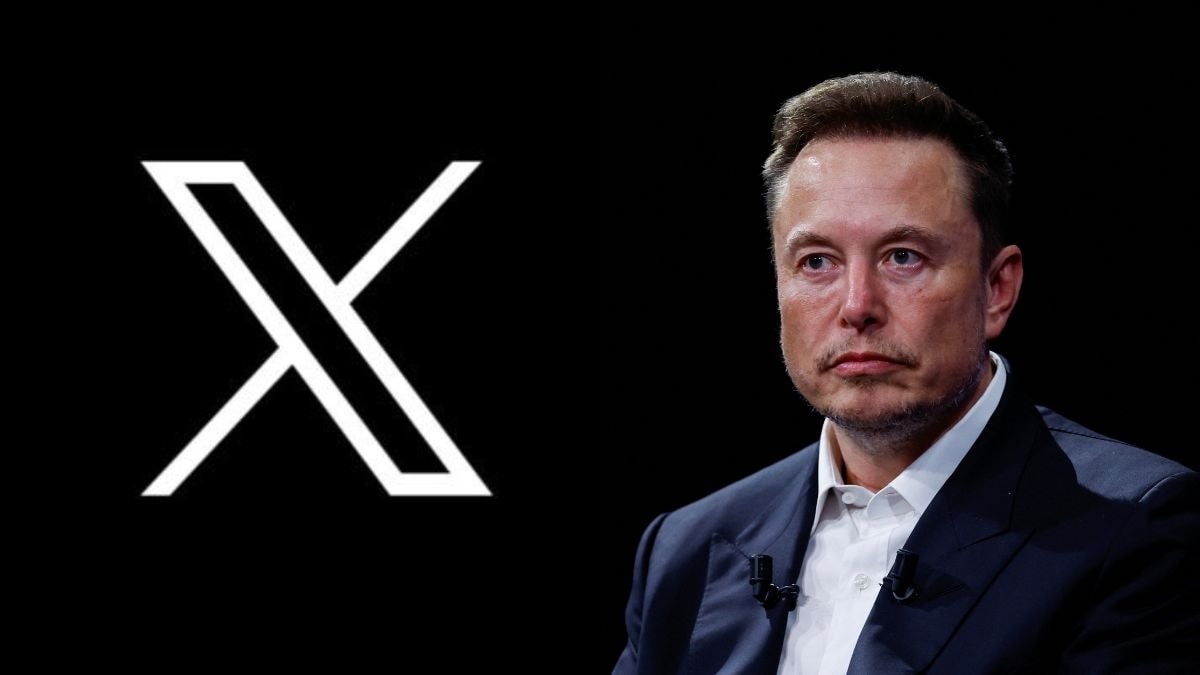
Germany’s foreign and defence ministries announced on Wednesday that they would shift their public communications away from Elon Musk’s social media platform, X, citing growing dissatisfaction with the platform’s developments. The decision comes amid increasing concerns about Musk’s involvement in European political discourse and the direction the platform has taken since Musk’s acquisition in 2022.

Reasons for Departure

The German ministries did not directly cite Musk’s controversial political interventions but expressed increasing frustration with the platform’s trajectory. The defence ministry spokesperson stated that they had become “increasingly unhappy with developments” on X. While the ministry indicated that it might still use X to counter disinformation, its social communications would now primarily occur via Meta’s WhatsApp messenger.

The foreign ministry also noted that it regularly evaluates the platforms where it maintains a presence and had decided to increase its activity on the emerging platform BlueSky. This marks a shift as the German government seeks to diversify its communication strategies amidst rising concerns about X’s direction under Musk’s leadership.

Musk’s Political Interventions

Musk has faced accusations of meddling in European politics, particularly for his vocal interventions since September. These have included controversial remarks such as calling for the replacement of British Prime Minister Keir Starmer, labeling German Chancellor Olaf Scholz as an “incompetent fool,” and encouraging votes for the far-right Alternative for Germany (AfD). Musk has claimed these statements reflect his stance on issues like immigration, which he believes threaten the future of certain countries.

Although neither ministry directly referenced Musk’s interventions—most recently a live interview with AfD leader Alice Weidel—the growing frustration is likely related to these actions. Critics have voiced concerns that Musk’s political commentary undermines X’s role as a neutral platform for communication.

The Broader Trend

Germany’s departure from X is part of a broader trend of institutions distancing themselves from the platform. In recent weeks, several universities and research institutions in both Germany and the UK have also moved away from X. The departure of such institutions could have a more significant impact on the platform than individual users, as these organizations contribute verified information and help build the “network effects” that make a platform valuable for discussions.

Despite Musk’s claims that user numbers are on the rise since he purchased the platform, recent polls and research studies suggest otherwise, with many questioning the long-term sustainability of X under its current leadership.

 

US TikTok Users React as ByteDance Signals App Shutdown

Disappointment, confusion, and frustration swept through TikTok’s U.S. user base on Wednesday after reports emerged that ByteDance, the app’s Chinese owner, is planning to shut down the platform for 170 million U.S. users by Sunday. The announcement seemingly marks a concession to U.S. lawmakers who imposed a deadline for ByteDance to divest its U.S. assets or face a ban, leading many users to express resignation after months of uncertainty.

TikTok users, who have built careers and substantial followings on the platform, had hoped that the app could escape a U.S. ban passed in 2023. However, as the January 19 deadline looms, some users are beginning to accept the impending shutdown. Joonsuk Shin, a 28-year-old research manager and content creator from New York, expressed his dismay, saying, “TikTok signaling that white flag is very discouraging and very sad.”

In response, some users have called for boycotts of rival platforms like Meta’s Instagram and Facebook, as well as X (formerly Twitter), predicting that advertisers who once relied heavily on TikTok will shift to those services. One user posted, “We all need to delete our Facebook, X, and Instagram accounts that same day.”

The shutdown follows U.S. lawmakers’ concerns about national security risks, with fears that China could potentially access or demand U.S. user data from TikTok. While the company has repeatedly denied any claims of sharing user data with the Chinese government, the threat of a ban has become imminent. TikTok and ByteDance have been fighting the law in court, arguing that the ban violates the First Amendment rights of free speech.

If the U.S. Supreme Court does not intervene, users trying to access TikTok on Sunday will be redirected to a shutdown website, confirming the app’s termination. Content creators like Amber Goode, a 28-year-old true crime influencer from Colorado Springs, expressed frustration over the prolonged uncertainty, remarking, “Why are they playing with us? I feel like the government is avoiding giving us the answer they already know.”

Although some users are now preparing for the worst, others remain hopeful. There were reports earlier this week that a 270-day extension of the shutdown deadline might be in the works, but this prospect was fading as the deadline approached. As TikTok’s fate hangs in the balance, many users have already begun migrating to alternatives, including China-based apps like RedNote, often using translation tools to navigate the platforms.

For others, the situation is deeply personal. One TikTok user shared a heartfelt post, saying, “My daughter passed away in 2023. I’ve been saving all her videos to my phone. I can’t lose those.” The impending shutdown is forcing many creators to scramble to preserve their content and maintain connections with their followers.

Ishpal Sidhu, a former attorney turned full-time creator with nearly 400,000 followers, voiced her concern about losing her platform and income, saying, “It’s pretty sad because I thought we were making progress.” Sidhu wondered if she would continue receiving payments for her content once the app shuts down.

Meanwhile, users outside the U.S. have begun to react more bluntly, with some expressing relief that the algorithm-driven chaos of American social media woes might now recede from their feeds. New Zealand content creator Luke Hopewell jokingly declared, “Say goodbye to the Americans.”


X Plans to Launch Streaming and Financial Services in 2025 with X TV and X Money, CEO Reveals

X (formerly Twitter) is set to expand its services beyond social media, with plans to offer financial and streaming services starting in 2025. This ambitious move, announced by the company’s CEO on Wednesday, is part of X’s broader vision to evolve into an “everything app.” Under the leadership of Elon Musk, the platform aims to compete with multi-functional services like China’s WeChat. In a post on the platform, the CEO emphasized that X intends to connect users in ways that have never been done before, positioning itself as more than just a microblogging site.

The new services, X Money and X TV, will provide users with financial tools and streaming content, marking a significant shift in the platform’s focus. X Money is expected to offer various financial services, potentially including digital wallets, payments, and other financial products. X TV, on the other hand, will bring streaming capabilities to the platform, further diversifying its offerings. These additions will enhance the platform’s functionality, allowing users to interact socially, manage finances, and enjoy entertainment all within the same ecosystem.

Alongside these new services, X is also planning to enhance its artificial intelligence capabilities. In 2025, the platform will introduce improvements to Grok, its AI chatbot, which has already become an integral part of the user experience. The goal is to offer more personalized and interactive features, allowing users to engage with the platform in new and innovative ways.

This direction aligns with the broader vision for X that CEO Linda Yaccarino laid out during the platform’s rebranding from Twitter to X in 2023. The rebrand marked a major shift for the company, including the removal of the traditional verification system, the introduction of X Premium, and the replacement of Twitter’s iconic bird logo with the X symbol. As the company moves into 2025, it is clear that X aims to reshape the landscape of social media, financial services, and entertainment, hoping to become a central hub for a wide range of user activities.