Yazılar

Leaked Renders Reveal Design and Colour Options for Poco F7 Ultra and F7 Pro

The highly anticipated Poco F7 Pro and F7 Ultra smartphones are expected to launch globally on March 27, with numerous leaks suggesting they will share many similarities with the Redmi K80 and K80 Pro models. Ahead of the official announcement, fresh leaks have surfaced, revealing the design, colour options, and potential pricing for the upcoming devices. Additionally, the base Poco F7 is expected to be launched in India shortly, adding to the excitement surrounding the new lineup.

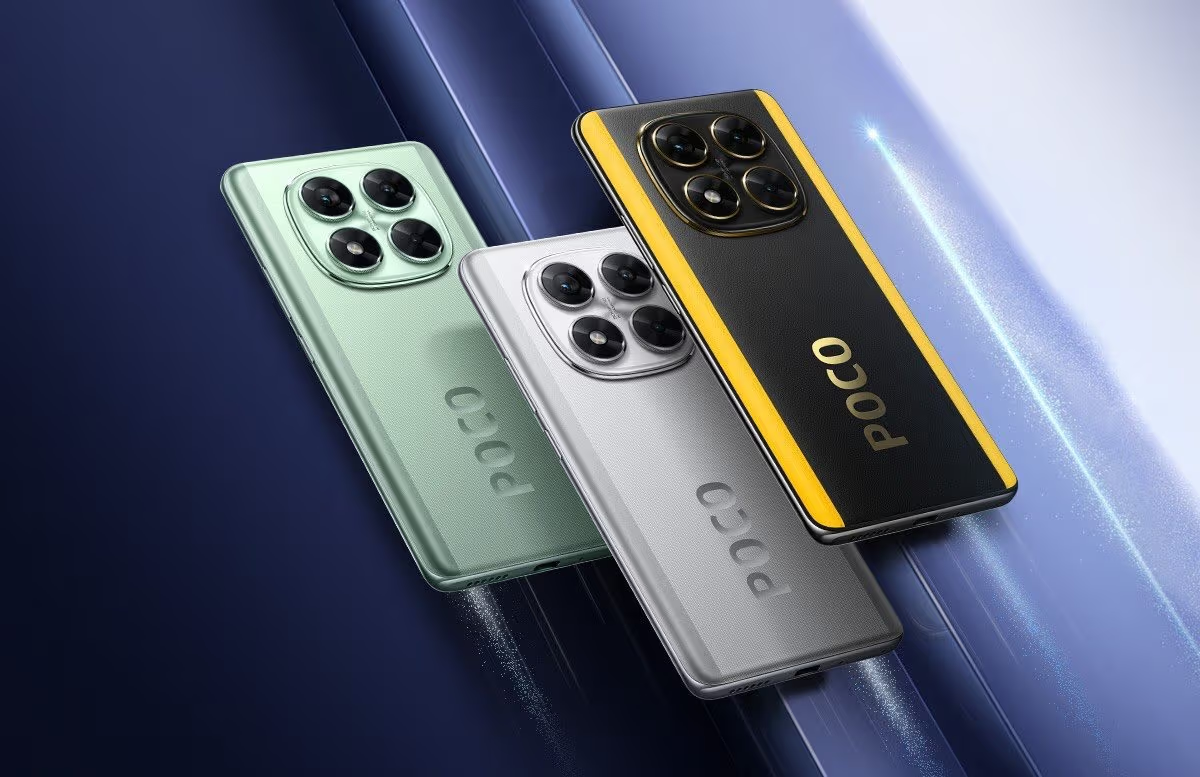
The leaked design, shared by tipster Paras Guglani on X, showcases the sleek look of both the Poco F7 Pro and F7 Ultra. The Poco F7 Ultra is expected to be available in striking black and yellow colour options, while the F7 Pro could be offered in black, blue, and grey. The rear design features a circular camera module positioned towards the upper left, similar to the Redmi K80 series. Inside the module, three camera sensors are expected, complemented by a horizontal pill-shaped LED flash unit next to the cameras. Both models are said to sport slim bezels around their displays, with a centered hole-punch cutout for the front camera. This clean, modern design is aimed at appealing to a wide range of consumers.

In terms of pricing, the leaks suggest that the Poco F7 Pro could be priced around EUR 599 (approximately Rs. 56,600) for the 12GB + 512GB variant in select European markets. Meanwhile, the Poco F7 Ultra is likely to be more expensive, with the 16GB + 512GB model expected to cost EUR 799 (around Rs. 75,500). These price points suggest that the F7 Pro and F7 Ultra will cater to the upper mid-range and premium segments of the market, offering high-end features and specifications.

The Poco F7 Pro is rumored to pack a Snapdragon 8 Gen 3 SoC, providing impressive performance for gaming and multitasking. It is also expected to come with a 5,830mAh battery, supporting 90W wired fast charging for quick power-ups. The device could feature a 6.67-inch QHD+ OLED display with a resolution of 1,440 x 3,200 pixels and a 120Hz refresh rate, ensuring smooth and vibrant visuals. A 50-megapixel dual rear camera system is also expected, promising high-quality photography and video capture. With these features, the Poco F7 Pro is poised to deliver a flagship experience at a competitive price point.
Global Smartwatch Sales See First Decline in 2024, While Xiaomi Records Strong Growth: Counterpoint

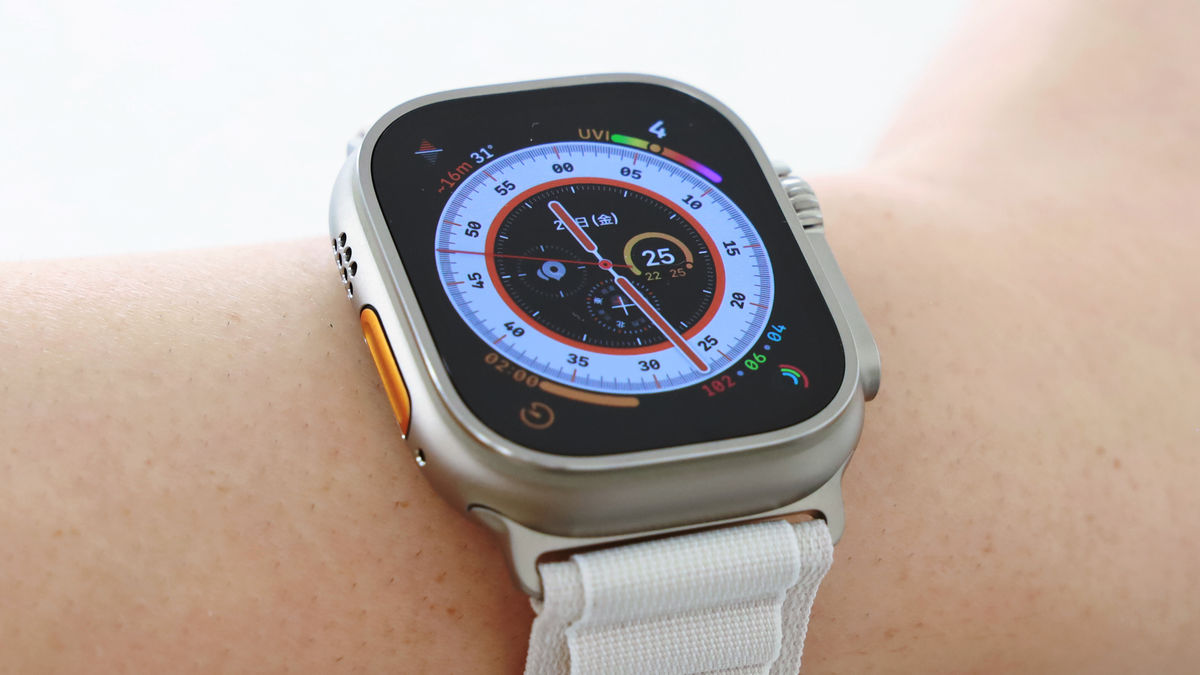
In 2024, global smartwatch shipments experienced a 7 percent year-on-year (YoY) decline, marking the first drop in sales in recent years, according to a new report from market research firm Counterpoint. Despite the overall downturn, Apple maintained its dominant position in the market, followed closely by Huawei and Samsung in second and third place. However, Apple experienced a significant 19 percent YoY decline in shipments, primarily due to a slowdown in its Apple Watch SE lineup and the lack of new SE model releases.

The drop in Apple’s shipments has had a notable impact on the overall market, but Chinese brands such as Xiaomi, Huawei, and Imoo have seen impressive growth in 2024. Xiaomi, in particular, recorded the fastest growth and secured a place among the top five smartwatch vendors for the first time. This surge in sales highlights the growing demand for affordable yet feature-rich smartwatches, a segment where Xiaomi has proven competitive. Huawei also performed strongly, securing second place with a 35 percent YoY growth, bolstered by the popularity of its smartwatch offerings.

Samsung, which has consistently held a top spot in global smartwatch shipments, saw modest growth in 2024, with a 3 percent YoY increase. This growth can be attributed to the success of its recent Galaxy Watch models, including the Galaxy Watch 7, Galaxy Watch Ultra, and Galaxy Watch FE. These models have been well-received, helping the South Korean brand maintain its foothold in the market amidst a broader decline in smartwatch sales.

While the overall smartwatch market faced challenges in 2024, the rise of Chinese brands like Xiaomi and Huawei, as well as the continued success of Samsung’s latest models, suggests that the landscape is shifting. With growing competition and evolving consumer preferences, companies will need to innovate and adapt to maintain their positions in this increasingly dynamic market. As the year progresses, it will be interesting to see how brands adjust their strategies to meet the demand for smarter, more affordable wearables.

Xiaomi Raises $5.5 Billion in Share Sale to Accelerate EV Plans

Xiaomi Corp, the world’s third-largest smartphone maker, announced on Tuesday that it raised $5.5 billion in an upsized share sale as the company ramps up its electric vehicle (EV) manufacturing plans. The company sold 800 million shares at a price of HK$53.25 each, according to a statement to the Hong Kong Stock Exchange.

Originally planning to sell 750 million shares, Xiaomi decided to increase the size of the offering due to strong investor interest during the bookbuilding process. The final share price, which was at the lower end of the HK$52.80 to HK$54.60 price range, represented a 6.6% discount to Xiaomi’s closing price of HK$57 on Monday.

Investor enthusiasm for Xiaomi’s EV plans has played a significant role in the company’s stock performance, with its share price surging nearly 150% from HK$21.5 in the past six months. The sale attracted over 200 investors, with the book being oversubscribed multiple times. The top 20 investors purchased about 66% of the stock offered.

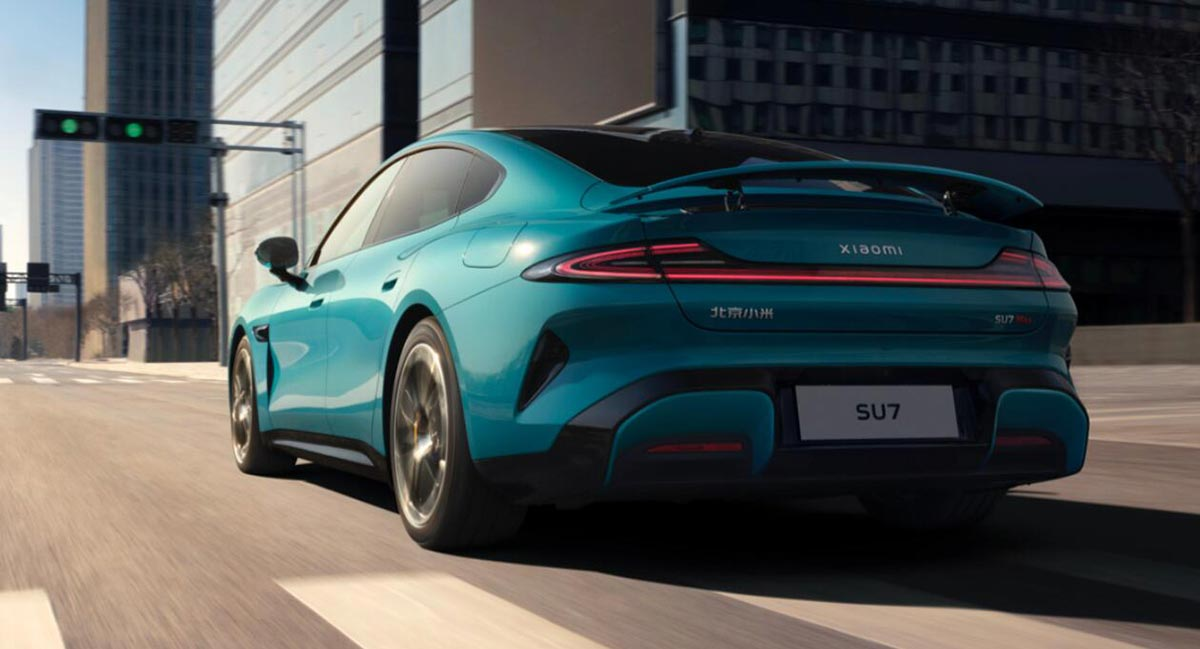
The funds raised will be used to further accelerate Xiaomi’s business expansion and invest in research and technology development, particularly in the EV sector. Xiaomi entered the electric vehicle market last year with the launch of the SU7 sedan. The company reported a 50% jump in fourth-quarter revenue and raised its target for EV deliveries this year to 350,000, up from 300,000.

Xiaomi’s EV business generated 32.1 billion yuan ($4.4 billion) in revenue in 2024, delivering more than 135,000 SU7 sedans. The company plans to start shipping cars overseas in 2027 and is expanding its production capabilities with a new land purchase for its auto factory in Beijing.

In addition to its EV ambitions, Xiaomi is also focusing on AI, planning to allocate 7-8 billion yuan out of its 2025 total R&D budget of 30 billion yuan to AI development. The share sale comes amid a wave of tech-focused capital raisings from Chinese companies, as positive sentiment around the tech sector grows, partly fueled by easing government scrutiny.