Yazılar

Xiaomi Reportedly Developing Smartphone With 7,000mAh Battery and Snapdragon 8s Elite Chipset

Xiaomi Set to Launch Smartphone with Massive 7,000mAh Battery and 90W Charging

Xiaomi is reportedly working on a new smartphone featuring a massive 7,000mAh battery, a significant step up from its existing models. While the recently announced Redmi K80 series will offer a 6,000mAh battery with support for 120W wired and 50W wireless charging, this upcoming device is set to push the limits of battery capacity further. Leaked information suggests that the new phone will support 90W fast charging, allowing users to charge the device quickly despite its large battery size.

Powerful Performance with Snapdragon Chipset

According to reliable tipster Digital Chat Station, the device will be powered by an unannounced SM8735 chipset, which is expected to succeed the Snapdragon 8s Gen 3. This new chipset could either be called Snapdragon 8s Elite or Snapdragon 8s Gen 4, indicating that Xiaomi may be preparing for a more powerful, efficient processor to complement the smartphone’s large battery. This combination of high-performance hardware and a large battery is designed to provide an enhanced user experience for both power users and gamers.

90W Fast Charging for Quick Power Ups

In addition to its impressive battery capacity, the new Xiaomi phone is expected to support 90W wired fast charging, offering users a quick way to recharge their device and reduce downtime. While the 120W fast charging on the Redmi K80 series is noteworthy, the 90W charging on this device still represents a leap forward in terms of speed and convenience. The large battery paired with fast charging will be ideal for users who rely on their phones for heavy use throughout the day, ensuring long-lasting power without compromising on charging speed.

Targeting the Mid-Range Market

Despite its powerful features, this Xiaomi phone is reportedly targeting the mid-range market, positioning it as a more affordable option compared to flagship models. By packing a large battery, advanced chipset, and fast charging into a mid-range device, Xiaomi aims to appeal to a broader audience looking for a balance between performance and price. This move could further strengthen Xiaomi’s presence in the highly competitive smartphone market, offering a compelling alternative to other high-performance devices.

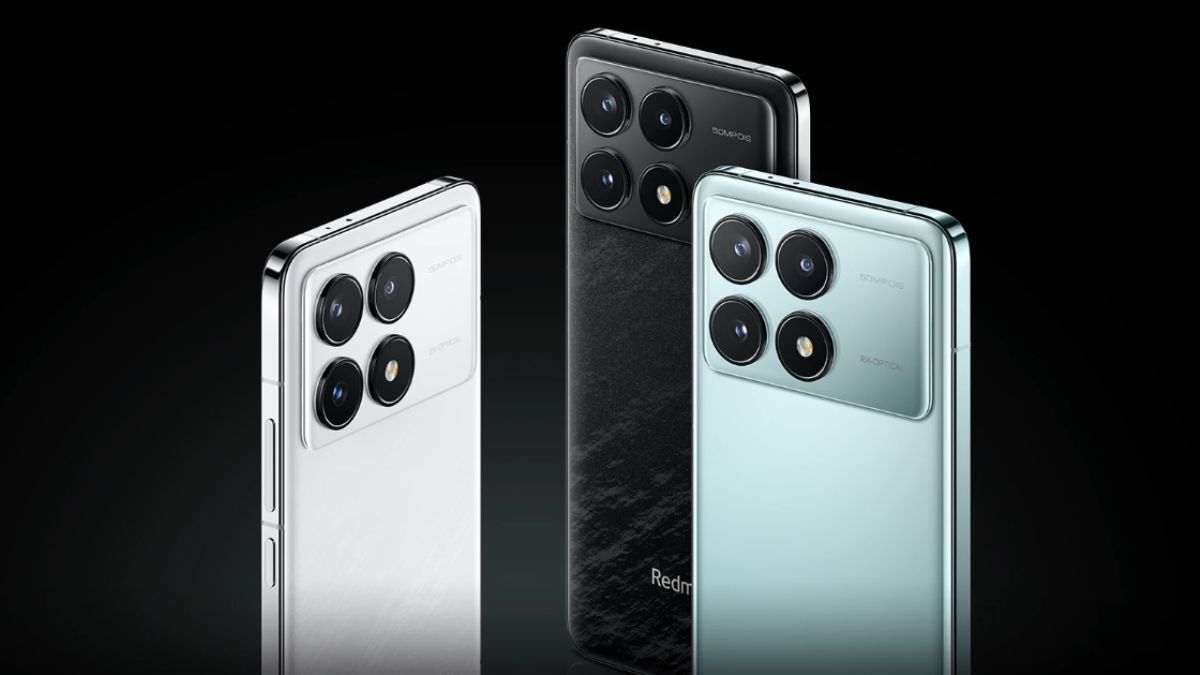
Redmi K80 Display and Build Details Unveiled; Features Ultrasonic Fingerprint Sensor

Redmi is gearing up for the highly anticipated launch of its K80 series in China on November 27. Alongside the Redmi K80, the lineup will include the more powerful Redmi K80 Pro, both boasting cutting-edge technology and impressive specifications. The Pro variant is confirmed to feature Qualcomm’s Snapdragon 8 Elite SoC, Redmi’s proprietary Rage Engine 4.0, and a dedicated D1 graphics chipset for enhanced performance. Additionally, both models will support 5G connectivity and sport high-resolution 2K displays. Accompanying the smartphone launch, Redmi will also unveil the Redmi Watch 5 and Buds 6 Pro, broadening its ecosystem of smart devices.

Sleek Design and New Color Option

Redmi has confirmed that the base K80 model will be available in an eye-catching “Xiyue Blue” color. The phone will feature a “2.5D vertical edge design” that enhances its premium aesthetic, complemented by a matte-finish metal frame. The design improvements also extend to weight reduction, making it lighter than its predecessor, the Redmi K70, which weighs 209 grams. These refinements ensure the Redmi K80 delivers a sleek, modern look while maintaining durability.

Competitive Pricing and Advanced Technology

The Redmi K80 is expected to attract buyers with its competitive pricing, starting below CNY 3,000 (approximately ₹34,900). It will include several high-end features typically reserved for flagship models. The smartphone incorporates a dual-loop 3D ice-cooling system for optimal thermal management during heavy usage, a 2K display for stunning visuals, and an in-display ultrasonic fingerprint sensor for fast and secure unlocking. These features position the K80 as a formidable contender in the premium mid-range segment.

Durability Meets Style

In addition to its premium build and performance capabilities, the Redmi K80 is designed to withstand tough conditions. It comes with IP68 and IP69 certifications for water and dust resistance, making it suitable for various environments. This feature, coupled with its advanced internals, reinforces Redmi’s commitment to delivering a robust and stylish device for tech enthusiasts.

The Redmi K80 series launch promises to be a significant event, showcasing innovations that blend performance, aesthetics, and affordability. Fans can look forward to exploring the entire ecosystem, including the Redmi Watch 5 and Buds 6 Pro, alongside these smartphones.

Samsung Black Friday Sale: Incredible Discounts on Galaxy S24 Ultra, S24, and S24 Plus

Apple’s recent proposal to invest $100 million in Indonesia has been met with disappointment from the country’s government. According to Industry Minister Agus Gumiwang Kartasasmita, the proposed amount does not align with the fairness principles that Jakarta expects in terms of investment size and commitment. The official pointed out that while Apple’s investment in Indonesia is relatively modest, the company has made significantly larger investments in other countries, particularly in Vietnam.

For context, Apple’s investment in Vietnam stands at a substantial IDR 244 trillion (roughly $15 billion), which has helped establish large manufacturing facilities in the country. Despite this, Apple’s sales in Vietnam remain relatively low, with only about 1.5 million units sold. This stark contrast to its performance in Indonesia, where Apple sells around 2.5 million units, has raised concerns within the Indonesian government about the disparity in investment.

The Indonesian government has made it clear that it expects Apple to reconsider its investment levels to ensure a more equitable contribution to the local economy. Currently, Apple’s investment in Indonesia has primarily been directed towards the establishment of developer academies, which amounts to around IDR 1.5 trillion. This is seen as insufficient compared to its broader manufacturing investments in other regions, especially when considering the volume of sales in the country.

Given these concerns, Indonesia has signaled that further negotiations are necessary before it will consider lifting the ban on domestic sales of the iPhone 16. The government is seeking a more substantial and balanced approach that not only aligns with Apple’s market presence in the country but also provides long-term benefits for the Indonesian economy.