Yazılar

Xiaomi Boosts EV Delivery Targets Amid Surging Demand

Increased Goals Reflect Growing Market Success

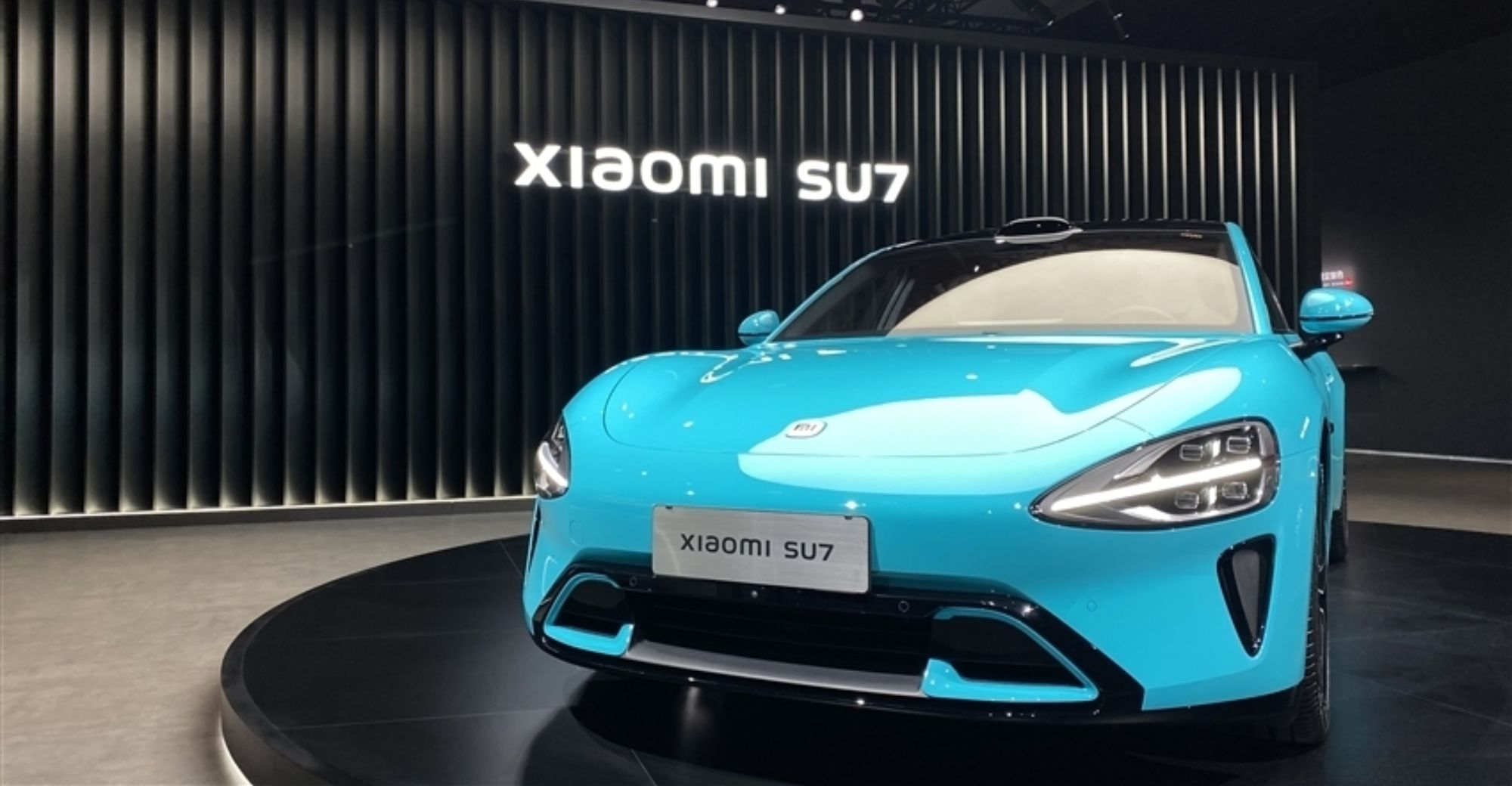
Xiaomi Corp has raised its 2023 electric vehicle (EV) delivery target for the third time, now aiming to deliver 130,000 units of its debut SU7 sedan. This is a significant increase from its initial goal of 76,000 when the car launched in March.

The SU7, inspired by Porsche designs, has captivated buyers with a starting price below $30,000, undercutting Tesla’s Model 3 in China by $4,000. Xiaomi’s success reflects broader trends in China’s EV market, where electric and plug-in hybrid vehicles accounted for over half of October’s auto sales, a 56.7% year-on-year increase.


Scaling Production to Meet Demand

Xiaomi has ramped up production since June, doubling shifts at its factories and introducing the premium SU7 Ultra, priced above $110,000. The company’s manufacturing facilities now have a capacity of 20,000 units per month, with room for further growth.

President Lu Weibing highlighted Xiaomi’s continued investment in both hardware and software to support new models and autonomous driving technology.


Financial Performance and Market Position

In the third quarter, Xiaomi reported revenue of 92.5 billion yuan ($12.77 billion), surpassing analysts’ expectations of 91.1 billion yuan. However, its EV unit remains unprofitable, recording a loss of 1.5 billion yuan for the quarter, despite a 17.1% gross profit margin.

Xiaomi’s smartphone division remains a cornerstone of its business, maintaining its rank as the world’s third-largest smartphone maker with a 14% market share and 42.8 million units shipped in Q3.

The company’s adjusted net profit rose 4.4% to 6.25 billion yuan, exceeding market estimates of 5.92 billion yuan.


Future Projections and Market Expansion

Analysts at Huatai Securities forecast Xiaomi will deliver 400,000 EVs in 2025, with EV sales projected to contribute 20% of revenue, compared to 8% this year. To support growth, Xiaomi plans to expand its retail footprint in mainland China from 13,000 to 15,000 stores by year-end and to 20,000 by 2024.

The company’s strategic push into EVs demonstrates its ambition to diversify revenue streams and solidify its position in the competitive Chinese market.

CCI Withdraws Flipkart Antitrust Report Following Xiaomi’s Objection

CCI Recalls Flipkart Antitrust Report Over Xiaomi Complaint
India’s Competition Commission of India (CCI) has retracted its investigation report on Walmart-owned Flipkart over alleged breaches of competition law. This marks the second instance of such a withdrawal by the antitrust regulator, following a similar action involving Apple in August. The move highlights the ongoing challenges faced by the CCI in balancing transparency with confidentiality in its probes.

Xiaomi’s Objection Over Confidentiality Breach
The recall follows a complaint by Chinese electronics giant Xiaomi, which argued that the report contained sensitive commercial information that should have been redacted. In September, Reuters revealed that the report had found Flipkart, certain affiliated sellers, and smartphone makers in violation of competition laws. Xiaomi claimed the document exposed business secrets, prompting the CCI to reassess its handling of confidential material.

Recipients Ordered to Destroy Report Copies
As per an internal CCI document dated October 1, the regulator has instructed all recipients of the Flipkart antitrust report to destroy their copies and provide an undertaking confirming compliance. This directive aims to prevent further distribution of the sensitive information while safeguarding the integrity of future investigations.

Implications for Antitrust Oversight in India
The recall underscores the growing complexity of antitrust enforcement in India, especially in cases involving global tech giants and their local operations. While the CCI seeks to hold firms accountable for anti-competitive practices, the need to protect proprietary data remains a critical concern. As high-profile cases like this unfold, the regulator may face increasing pressure to refine its protocols for handling and sharing investigation reports.

Redmi Band 3 Launched with 1.47-inch Display and 18-Day Battery Life: Price and Specs Revealed

The Redmi Band 3 has officially launched in China, bringing a sleek and feature-packed wearable to the market. This smart band boasts a 1.47-inch rectangular display with a 60Hz refresh rate, offering a clear and responsive user experience. One of its standout features is its impressive battery life, with the device capable of lasting up to 18 days on a single charge. The Redmi Band 3 is designed with health and wellness in mind, offering key tracking features such as heart rate monitoring, blood oxygen levels, and sleep cycle analysis. With a 5ATM water resistance rating, it is also durable enough for various water-related activities.

Health and Fitness Tracking Features

The Redmi Band 3 comes equipped with more than just basic fitness features. It offers 50 preset sports modes to cater to a wide range of athletic activities, helping users track everything from running to cycling. Additionally, the band supports over 100 customizable watch faces, allowing users to personalize the display to suit their style. Running on Xiaomi’s HyperOS, the band promises a smooth, intuitive interface that is easy to navigate, enhancing the overall user experience. Whether it’s monitoring your fitness or tracking sleep patterns, the Redmi Band 3 offers a comprehensive set of tools for those focused on improving their health.

Affordable Pricing and Availability

In terms of pricing, the Redmi Band 3 is very affordable, with a cost of CNY 159, which is approximately Rs. 1,900. It is now available for purchase in China via the Xiaomi China e-store, making it accessible to a wide range of consumers. The smart band offers great value for money, considering the range of features it packs into a compact design.

Color Options and Customization

To cater to different tastes, the Redmi Band 3 comes in five attractive color options: black, beige, dark grey, green, pink, and yellow. These color choices ensure that users can find a style that fits their preferences, whether they are looking for something neutral or more vibrant. With its combination of functionality, affordability, and customization options, the Redmi Band 3 is poised to be a strong contender in the fitness band market.