Yazılar

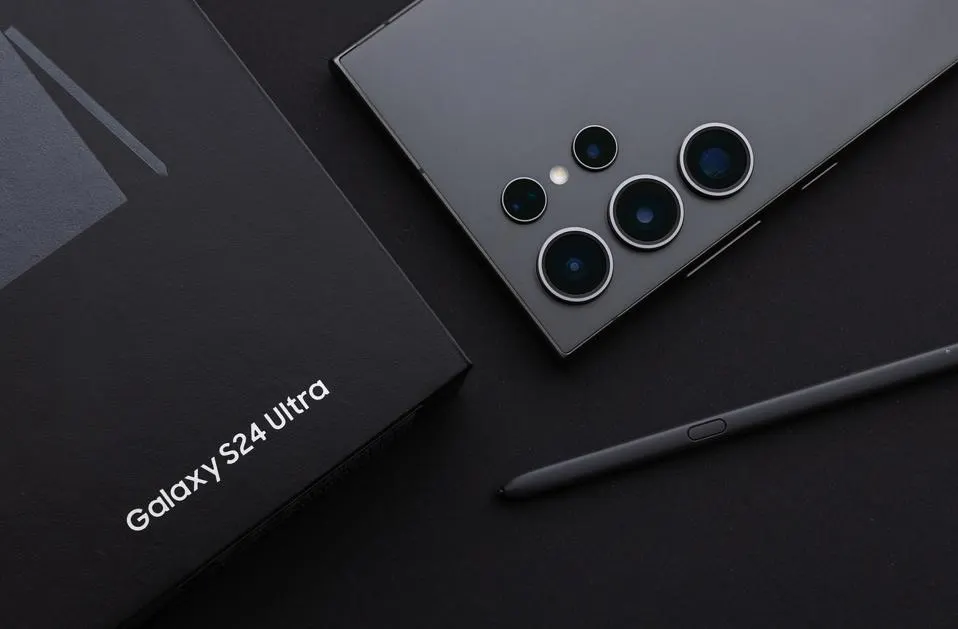
Samsung Black Friday Sale: Incredible Discounts on Galaxy S24 Ultra, S24, and S24 Plus

Apple’s recent proposal to invest $100 million in Indonesia has been met with disappointment from the country’s government. According to Industry Minister Agus Gumiwang Kartasasmita, the proposed amount does not align with the fairness principles that Jakarta expects in terms of investment size and commitment. The official pointed out that while Apple’s investment in Indonesia is relatively modest, the company has made significantly larger investments in other countries, particularly in Vietnam.

For context, Apple’s investment in Vietnam stands at a substantial IDR 244 trillion (roughly $15 billion), which has helped establish large manufacturing facilities in the country. Despite this, Apple’s sales in Vietnam remain relatively low, with only about 1.5 million units sold. This stark contrast to its performance in Indonesia, where Apple sells around 2.5 million units, has raised concerns within the Indonesian government about the disparity in investment.

The Indonesian government has made it clear that it expects Apple to reconsider its investment levels to ensure a more equitable contribution to the local economy. Currently, Apple’s investment in Indonesia has primarily been directed towards the establishment of developer academies, which amounts to around IDR 1.5 trillion. This is seen as insufficient compared to its broader manufacturing investments in other regions, especially when considering the volume of sales in the country.

Given these concerns, Indonesia has signaled that further negotiations are necessary before it will consider lifting the ban on domestic sales of the iPhone 16. The government is seeking a more substantial and balanced approach that not only aligns with Apple’s market presence in the country but also provides long-term benefits for the Indonesian economy.

Redmi K80 Pro to Feature Snapdragon 8 Elite SoC; AnTuTu Score and Display Specs Unveiled

The Redmi K80 Pro is set to debut in China on November 27, alongside its standard variant, the Redmi K80. These devices will succeed the Redmi K70 series launched last November, marking another step forward in Redmi’s high-performance smartphone lineup. Unlike last year’s models, the company has confirmed that the K80 series will not include an “E” variant, streamlining the lineup to focus on delivering top-tier features. The K80 Pro, in particular, has garnered attention with leaked details highlighting its powerful specifications and gaming-oriented design.

Redmi has revealed that the K80 Pro achieved an impressive AnTuTu score of 31,94,766, showcasing its high-performance capabilities. The smartphone will feature the Snapdragon 8 Elite “Extreme Edition” SoC, coupled with a dedicated D1 graphics chip. This combination is expected to deliver superior gaming and multitasking performance. To complement the powerful hardware, the device incorporates “dual-looped 3D ice-sealed heat dissipation” technology, designed to maintain optimal temperatures during intensive use. Additionally, the phone will include Redmi’s Gaming Engine 4.0, underscoring its focus on gaming enthusiasts.

In terms of display, the K80 Pro is confirmed to feature a 2K resolution panel with support for a stable 120FPS refresh rate. This ensures ultra-smooth visuals, whether for gaming or general usage. What sets the display apart is its energy efficiency—Redmi claims the panel consumes just 5.4W of power, allowing for a high-performance experience without excessive battery drain. This optimization aligns with the brand’s push for advanced technology that balances power and efficiency.

The Redmi K80 Pro is shaping up to be a powerhouse for gamers and power users alike, with its premium hardware and thoughtful design features. The focus on cooling, graphics optimization, and energy efficiency highlights Redmi’s commitment to delivering flagship-level performance at competitive prices. As anticipation builds for the November 27 launch, these details suggest the K80 Pro could set a new benchmark for performance-oriented smartphones in its segment.

Chinese Automakers Exceed Annual Delivery Targets Amid Strong Market Demand

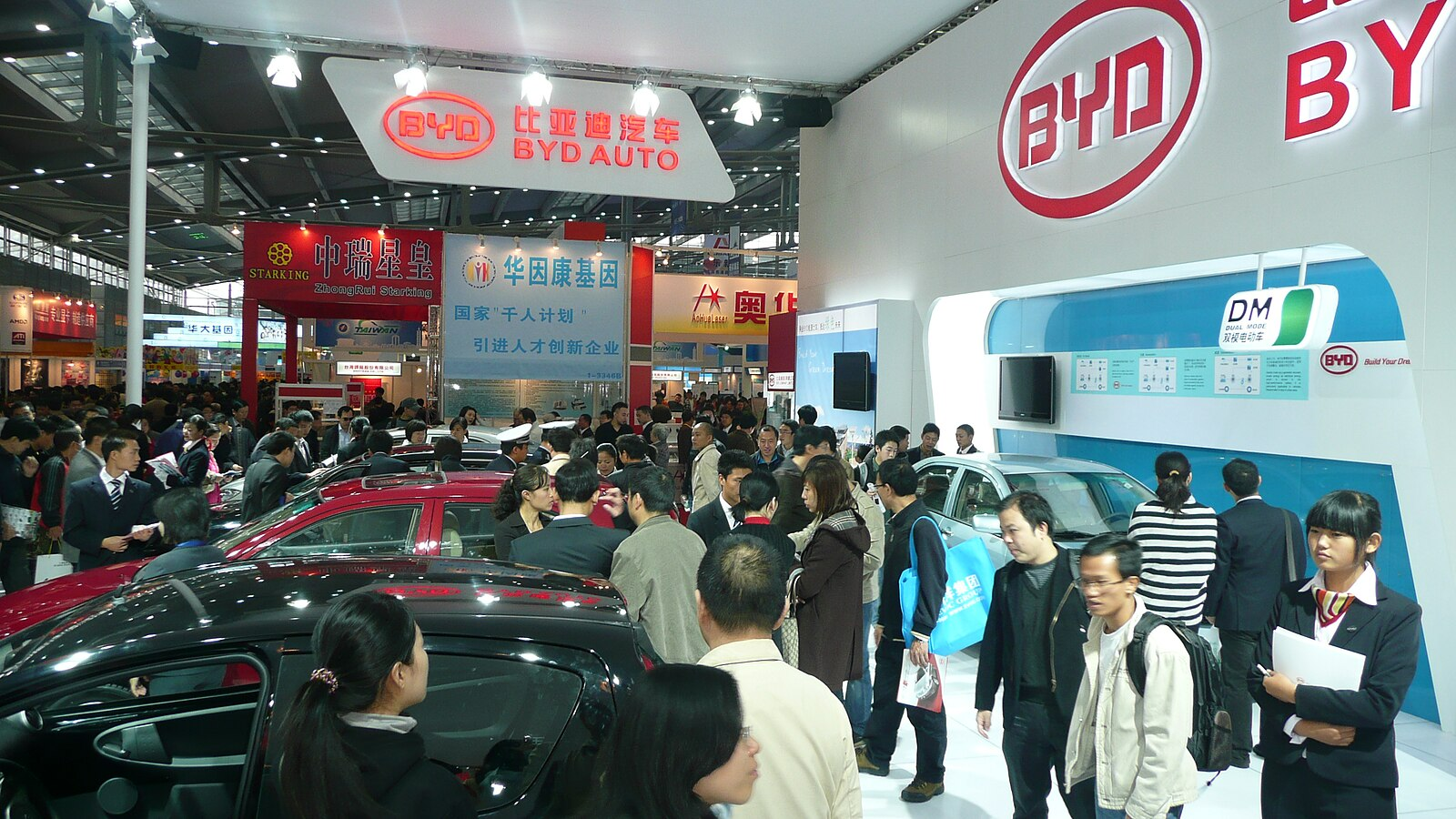
Leading Chinese automakers BYD, Leapmotor, Xiaomi, and others have surpassed their 2023 delivery targets ahead of schedule, highlighting the burgeoning growth in China’s electric vehicle (EV) market as the year nears its close.

Key Performers

  1. BYD
    • Delivered 504,003 passenger vehicles in November, a slight increase from October’s 500,526.
    • Year-to-date deliveries total 3,740,930, exceeding the initial full-year target of 3.6 million vehicles.
  2. Leapmotor
    • Recorded 40,169 deliveries in November, reflecting a 5.22% monthly increase and a 117% year-on-year surge.
    • Year-to-date deliveries reached 251,207, surpassing the target of 250,000 vehicles.
  3. Xiaomi
    • Surpassed its initial target of 100,000 deliveries in mid-November, following the March launch of its first car, the SU7.
    • November saw over 20,000 deliveries for the second consecutive month. The revised target now stands at 130,000 deliveries by year-end.
  4. Zeekr
    • Delivered 27,011 vehicles in November, marking a 7.83% increase from October and a 106% year-on-year growth.
    • Year-to-date deliveries total 194,933, closing in on the target of 230,000 vehicles.
  5. Xpeng
    • Achieved a record 30,895 deliveries in November, up 29% month-on-month.
    • Deliveries included 10,000 units of the mass-market Mona M03 for the third consecutive month, alongside 7,000+ units of the new P7+ sedan.
  6. Nio
    • Delivered 20,575 vehicles in November, reflecting a 28.9% year-on-year increase.
    • Year-to-date deliveries total 190,832, with a quarterly goal of 72,000–75,000 vehicles in Q4. The company plans to launch its new Firefly brand on Dec. 21.
  7. Li Auto
    • Delivered 48,740 cars in November, a 5.25% drop from October.
    • Year-to-date deliveries reached 441,995, close to the revised annual goal of 480,000 vehicles.

Market Dynamics

  • Tesla’s Price Cut: In response to the intensifying price war in China, Tesla slashed 10,000 yuan off the Model Y price, reducing it to 239,900 yuan through December.
  • Diverse Strategies: Automakers are leveraging innovative models, expanded lineups, and competitive pricing to capture market share. Brands like BYD and Xpeng continue to dominate with broad EV portfolios, while others like Xiaomi are rapidly scaling operations in their debut year.

Challenges and Outlook

Despite strong growth, companies face challenges including price wars, evolving consumer preferences, and high competition. However, the sector remains optimistic about further expansion, with firms like BYD and Nio outlining ambitious delivery goals for 2024 and beyond.