Yazılar

Zoox Opens Robotaxi Factory, Escalating Rivalry with Tesla and Waymo

Amazon-owned Zoox has officially launched its first robotaxi production facility, signaling a major step toward commercializing its autonomous vehicle service and intensifying competition with industry leaders Tesla and Waymo.

Located in Hayward, California, the new 220,000-square-foot factory is capable of assembling over 10,000 robotaxis per year at full capacity. While Zoox has not disclosed its initial production figures, the move reflects its plans to scale significantly as it prepares for public ride launches.

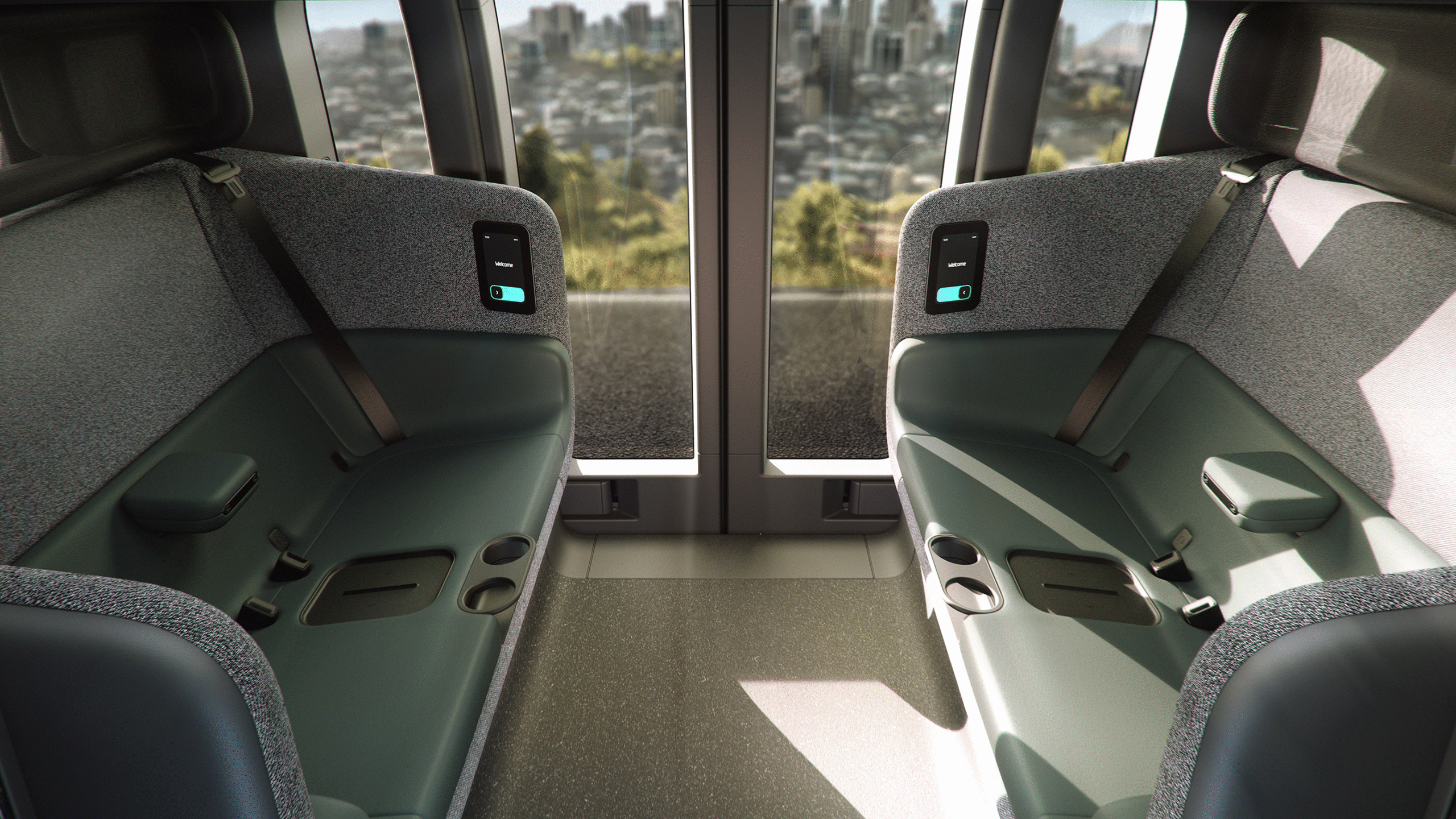
The company is currently testing its fully autonomous, purpose-built robotaxis — uniquely designed vehicles with no steering wheels or pedals — in multiple U.S. cities. It expects to begin commercial operations in Las Vegas later this year, followed by expansion in San Francisco, where it is already operating in the SoMa (South of Market) neighborhood.

“Anticipated public demand and upcoming market entries justify this scale-up in production,” Zoox stated, hinting at more widespread deployments in the coming years.

Zoox’s entry comes at a pivotal moment in the robotaxi race:

  • Waymo, owned by Alphabet, already runs a mature driverless taxi service and is expanding across U.S. cities.

  • Tesla, led by Elon Musk, plans to launch its paid robotaxi service on June 22, using Model Y SUVs with self-driving software, and later a Cybercab—a futuristic, manual-control-free, two-seater vehicle.

Unlike Waymo’s retrofitted models and Tesla’s modified SUVs, Zoox’s vehicles are custom-built from the ground up, resembling compact “toaster ovens” and designed specifically for autonomous operations.

Still, all major players in the space face substantial hurdles. Regulatory constraints, safety concerns, and cost overruns have hampered progress toward full autonomy. Moreover, companies including Zoox, Tesla, and Waymo have been subject to federal investigations and recalls after incidents involving their autonomous systems.

Nevertheless, Zoox’s new production hub marks a bold bet that it can move from limited testing to mass deployment, turning science fiction into a scalable reality.

Amazon Cuts 100 Jobs in Devices and Services Division Amid Efficiency Push

Amazon has laid off around 100 employees from its Devices and Services unit, which develops products like the Kindle, Echo smart speakers, Alexa, and the Zoox autonomous vehicle project. The job cuts, confirmed by the company after a Reuters inquiry, are part of a broader initiative to streamline operations and align teams with its evolving product roadmap.

According to an Amazon spokesperson, the eliminated roles represent a small portion of the unit’s total workforce and follow a regular business review. Specific divisions affected within the Devices and Services group were not disclosed.

We’ve made the difficult decision to eliminate a small number of roles,” the company stated, emphasizing ongoing efforts to boost efficiency and better match staffing with product goals.

This move follows previous cuts across several Amazon units, including Alexa in 2023, and more recent reductions in Wondery podcast, retail, and communications departments. While trimming certain areas, Amazon also added about 4,000 new roles from Q4 2024 to Q1 2025.

The restructuring comes just months after Amazon unveiled a major Alexa upgrade powered by generative AI, designed to make the assistant more conversational and capable of handling user tasks. CEO Andy Jassy has prioritized reducing corporate complexity, including trimming management layers, as part of a cost-control strategy.

Despite the layoffs, Amazon’s stock closed with a minimal dip, down less than 1% at $210.25.

Amazon’s Zoox to Expand Robotaxi Production Ahead of U.S. Rollout, FT Reports

Zoox, the self-driving vehicle subsidiary of Amazon, plans to scale up production in 2025 as it prepares for a broader commercial rollout of its robotaxi fleet across the U.S., according to a report by the Financial Times on Wednesday.

Co-founder Jesse Levinson said the company will open a new facility in California’s Bay Area, significantly expanding beyond its current production site in Fremont. The new location is expected to support Zoox’s goal of producing hundreds—eventually thousands—of custom-built robotaxis.

To date, Zoox has deployed about two dozen purpose-built autonomous vehicles across six U.S. cities. It plans to begin public ride services in Las Vegas this year, with San Francisco to follow.

The expansion comes amid a shift in federal regulatory attitudes toward self-driving technology, as the Trump administration recently signaled plans to ease some vehicle safety regulations and reduce mandatory incident reporting, in an effort to accelerate autonomous vehicle deployment.

Zoox joins a crowded field of competitors in the U.S. robotaxi market, including Tesla, Waymo (owned by Google’s parent Alphabet), and GM’s Cruise. All have faced regulatory scrutiny, with U.S. authorities investigating safety issues related to autonomous driving systems—including vehicles operated by Zoox.