Yazılar

Amazon’s Zoox Issues Software Recall After Self-Driving Robotaxi Crash in Las Vegas

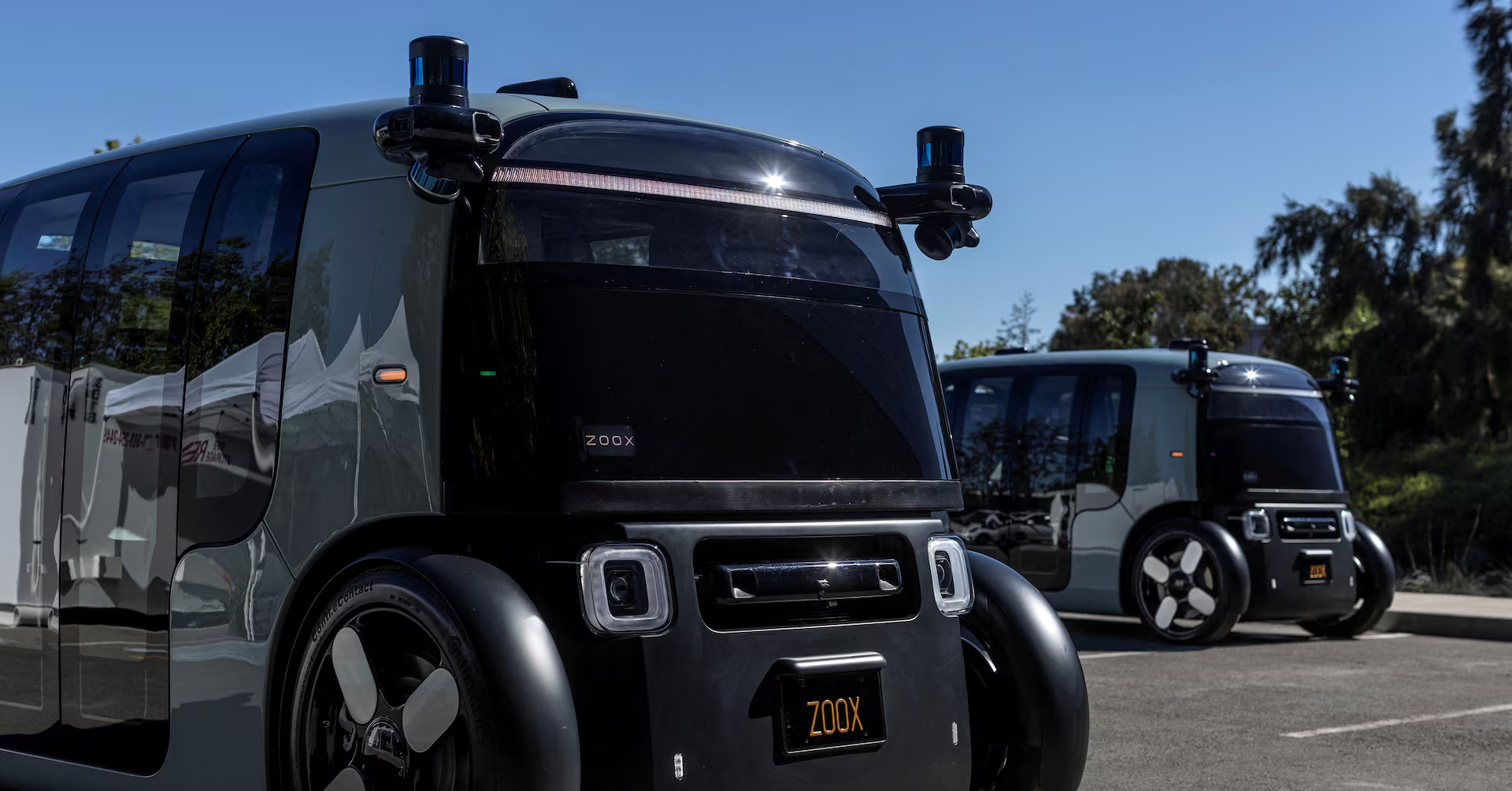
Zoox, the self-driving vehicle subsidiary of Amazon, has agreed to recall 270 autonomous vehicles following an April 8 crash in Las Vegas involving one of its unoccupied robotaxis and a passenger car. No injuries were reported, but the incident prompted a temporary suspension of operations and a subsequent software update to correct the issue.

According to Zoox, the crash occurred when the robotaxi misjudged a perpendicular vehicle’s behavior, incorrectly anticipating that the oncoming car would continue moving. Instead, the car stopped and yielded, but the Zoox vehicle had already slowed and shifted right, leading to a collision despite hard braking.

The company identified that the issue arises when its vehicles travel at over 40 mph (64 km/h) and encounter vehicles that slowly encroach from perpendicular driveways. The system’s failure to accurately predict the yielding vehicle’s stop was the root cause of the incident.

Zoox has since rolled out a software fix to prevent similar errors and stated that the vehicle behavior has been addressed. This marks the second recall in recent months: in April, the National Highway Traffic Safety Administration (NHTSA) closed a probe into 258 Zoox vehicles following two rear-end collisions caused by unexpected braking, after Zoox issued a software update.

However, Zoox remains under NHTSA scrutiny. The agency is still investigating the company’s 2022 self-certification of a robotaxi without traditional controls, such as a steering wheel or pedals.

The incident underscores ongoing regulatory and technical hurdles faced by autonomous vehicle developers as they approach broader deployment.

Tesla’s Sporty, Two-Seater Robotaxi Design Puzzles Experts

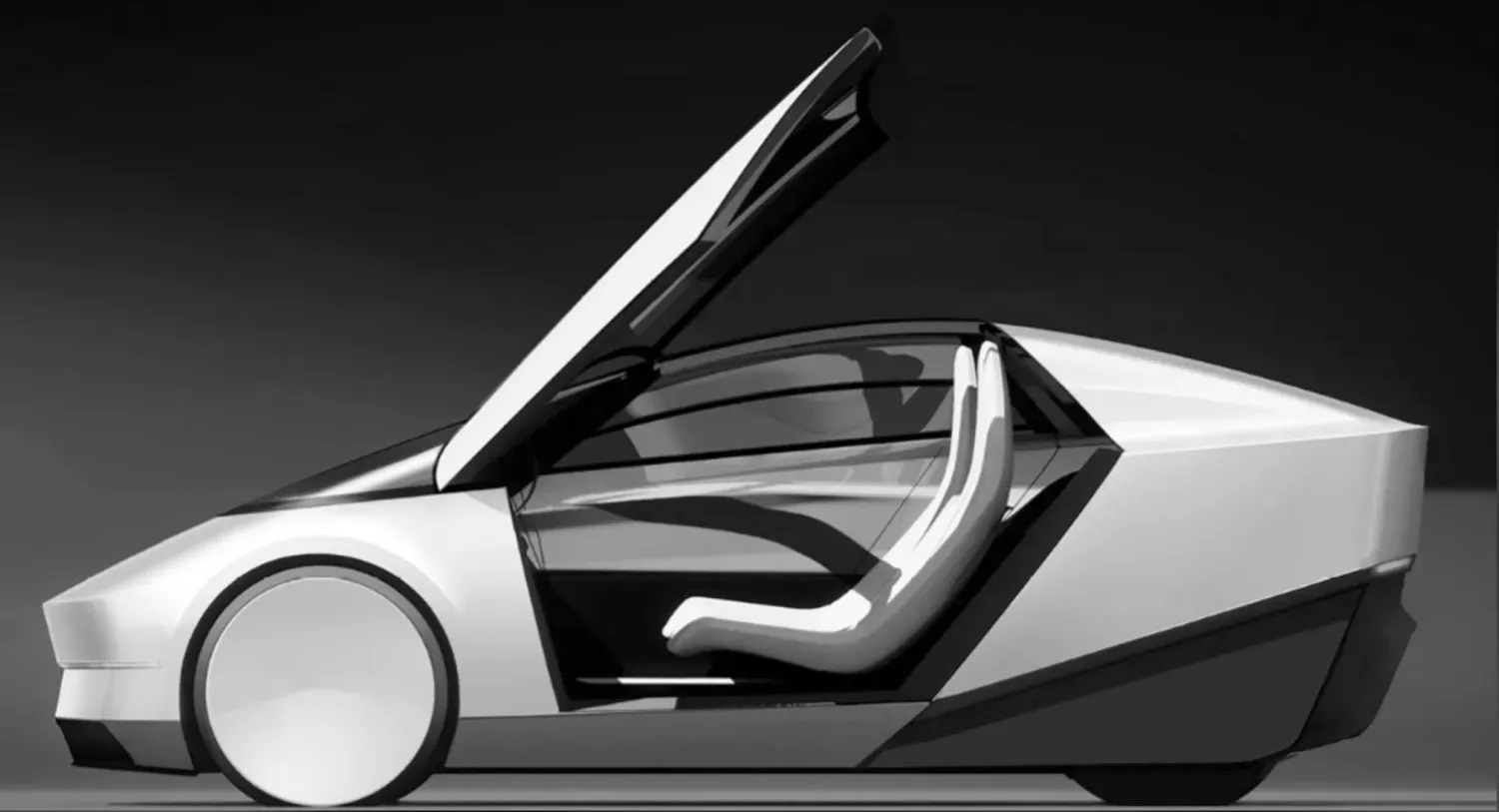
Tesla’s latest announcement of a two-seater robotaxi, dubbed the Cybercab, has left investors and experts perplexed. Unveiled by CEO Elon Musk at a much-hyped event near Los Angeles, the Cybercab is set to go into production in 2026 and cost less than $30,000. However, the vehicle’s low-slung, sporty coupe design—far from the traditional roomy taxi—has sparked confusion over its practicality for broader market needs.

The key concern raised by experts and investors alike revolves around the vehicle’s seating capacity and suitability as a taxi. Most people expect taxis to accommodate multiple passengers and have room for luggage, making the two-seater design puzzling. As Jonathan Elfalan, vehicle testing director at Edmunds.com, pointed out, “When you think of a cab, you think of something that’s going to carry more than two people.”

Tesla’s stock tumbled 9% on Wall Street the day after the reveal, as investors questioned the logic behind the design and Musk’s lack of detailed financial plans for the Cybercab. Analysts are particularly concerned about whether Tesla is targeting the right market. According to Sandeep Rao, a senior researcher at Leverage Shares, the market for two-door vehicles in the U.S. is tiny, comprising only 2% of car sales (excluding SUVs and pickups), which limits the appeal of the Cybercab.

Tesla also faces stiff competition in the robotaxi space. Companies like Waymo, owned by Alphabet, and Zoox, backed by Amazon, have already launched robotaxis with more practical designs. For instance, Waymo’s fleet of Jaguar Land Rover vehicles seats up to four passengers, a far cry from Tesla’s two-seater. Former Waymo CEO John Krafcik remarked that Tesla’s design seemed “more playful than serious,” emphasizing that its configuration could create challenges for older passengers and people with disabilities.

During the presentation, Musk promised that the Cybercab would have an operating cost of just 20 cents per mile, claiming this could make it cheaper to operate than public transport. However, he failed to clarify how Tesla plans to mass-produce these vehicles, obtain regulatory approvals, or compete with existing players like Waymo that are already operating robotaxis in certain U.S. cities.

Musk also teased the idea of a futuristic robovan capable of seating up to 20 people, but he did not provide a timeline for its production. While some believe that Tesla’s Cybercab may be a way to quickly introduce an autonomous vehicle to the market, the consensus among experts is that larger, more practical robotaxis will be necessary for Tesla to succeed in this space.

Analyst Sam Fiorani from AutoForecast Solutions noted that two-seaters have long been proposed as commuter vehicles but have never gained widespread traction. Similarly, Blake Anderson, a senior investment analyst at Carson Group, remarked that the two-seater design doesn’t align with Tesla’s goal of creating a mass-market, low-cost vehicle to expand its appeal.

Despite the mixed reactions, Musk remains optimistic about the potential of the robotaxi business, which he believes could eventually push Tesla’s valuation to $5 trillion, up from its current $700 billion. However, the Cybercab’s niche design, and the challenges it faces in a still-developing, tightly regulated market, suggest that Tesla will need to refine its approach to stay competitive.

Federal authorities instruct Zoox to provide additional information regarding incidents of its autonomous vehicles suddenly braking

Instagram is exploring new features to support creators in experimenting with their content, potentially giving it an edge over TikTok. This week, the social network began global tests of a “trial reels” feature that allows creators to publish reels without them being displayed on their profiles. This new tool aims to reduce the pressure on creators by providing a space to explore different types of content or creative ideas without the immediate expectation of performance.

Key Features of “Trial Reels”

– Private Testing Ground**: Creators can post reels that are not visible to their followers, allowing them to experiment with new content ideas privately.

– Performance Insights**: After posting a trial reel, Instagram will share detailed performance insights with the creator, including metrics like plays, likes, comments, and shares.

– Decision Making**: Based on the performance data, creators can choose to either share their trial reel with their followers or archive it if it doesn’t meet their expectations.

Background and Development

The “trial reels” feature evolved from an earlier test known as “Experiment mode,” first identified by reverse engineer Alessandro Paluzzi in April. Similar to trial reels, Experiment mode allowed creators to post content that would only be shown to non-followers, serving as a precursor to the more refined trial reels feature.

Potential Benefits for Creators and Instagram

-Creative Freedom**: By reducing the pressure of immediate performance, creators can take more creative risks and diversify their content without worrying about the impact on their profiles.

-Better Content Quality**: Creators can refine their content based on feedback and performance metrics before sharing it with their full audience, potentially leading to higher quality and more engaging posts.

– Competitive Edge**: This feature could help Instagram differentiate itself from TikTok, offering a unique tool that caters to creators’ needs for experimentation and innovation without the risk of failure.

Conclusion

Instagram’s “trial reels” feature represents a strategic move to support creators by providing a safe space for content experimentation. By allowing creators to test and refine their ideas privately, Instagram not only encourages creativity but also enhances the overall quality of content on the platform. This feature, if widely adopted, could significantly boost Instagram’s appeal to creators, giving it a competitive edge in the social media landscape.