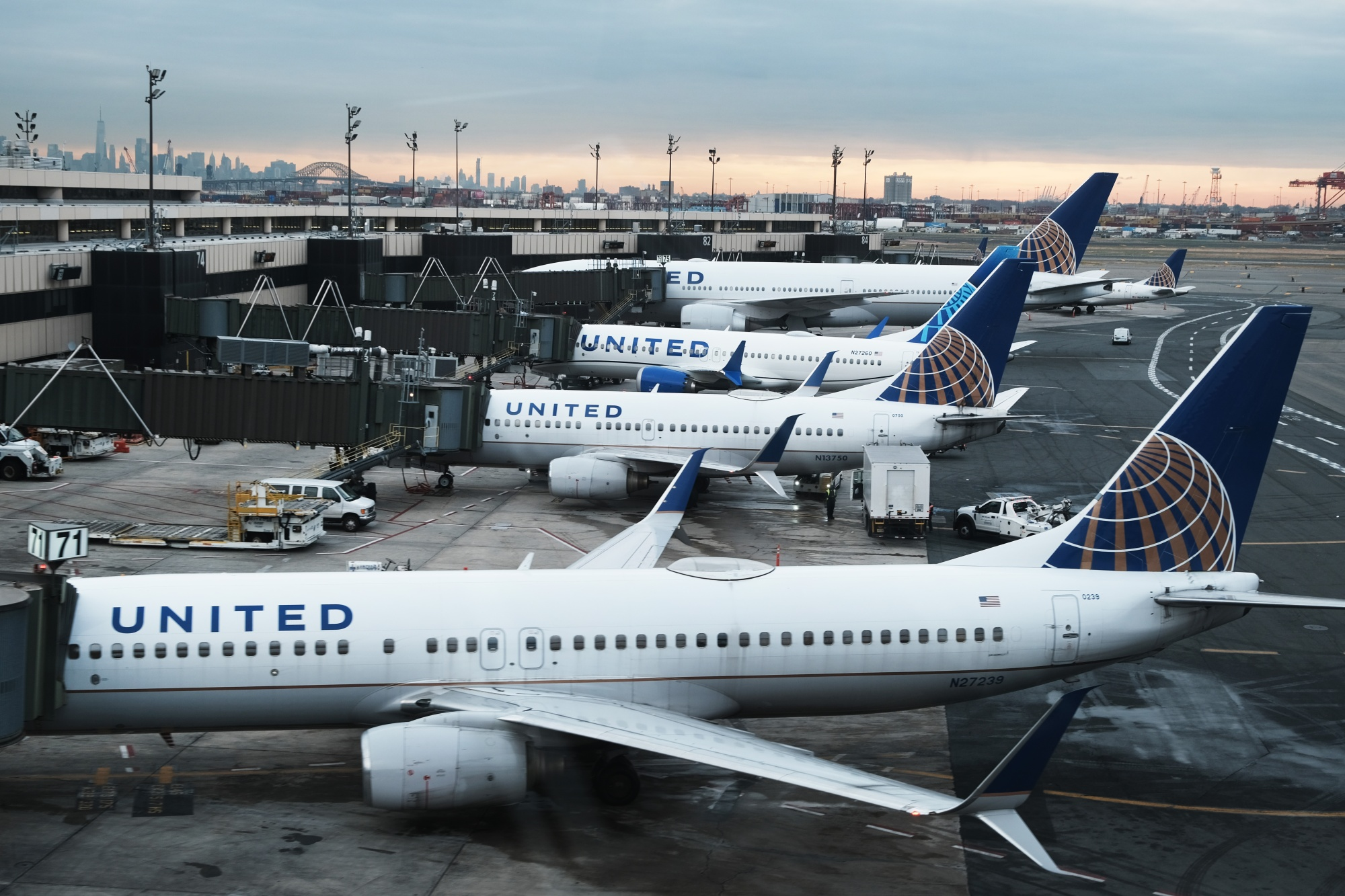
Man Charged After Unprovoked Assault on United Flight Passenger

A man has been charged following an incident on a United Airlines flight where he allegedly delivered an unprovoked beating to a fellow passenger. The incident occurred on Flight 2247 from San Francisco to Washington Dulles International Airport on Monday.

According to a criminal affidavit, Everett Chad Nelson was returning from the bathroom about two hours into the flight when he stopped at seat 12F and began to physically assault a sleeping male passenger. The affidavit claims that Nelson struck the unidentified man “repeatedly in the face and head until blood was drawn,” with the attack lasting approximately one minute. The documents state that the assault was entirely unexpected and that there was “no indication” the victim attempted to defend himself.

United Airlines expressed gratitude towards its crew and fellow passengers for their swift action in restraining Nelson. The airline confirmed that the flight landed safely and was met by paramedics and local law enforcement upon arrival.

Witness accounts detail the severity of the attack. Sandhya Gupta, a passenger seated behind the victim, recounted waking up to find Nelson violently punching the man. She described the assault as “rapid-fire punching” and noted that it was far from a typical fight, emphasizing the extreme nature of the violence. Gupta observed that the victim did not retaliate but instead screamed in distress during the assault.

As the beating continued, two other passengers intervened to help stop the attack. Gupta recounted how Nelson eventually ceased his assault, becoming limp and silent before moving to a different seat at the front of the plane. He remained passive until the flight landed. A person claiming to be a doctor on board provided first aid to the victim, who was bleeding, with blood reportedly splattered across the nearby window and seats.

The FBI is currently investigating the incident, which adds to a growing list of unruly passenger incidents reported on commercial flights. The Federal Aviation Administration (FAA) stated that over 1,700 such incidents have been documented in 2024 alone. The agency pursues legal enforcement against passengers who assault or threaten airline crew members, with potential civil penalties reaching up to $37,000 per violation.

Court records indicate that Nelson is being represented by a public defender, and CNN has reached out to that attorney for further comment.
Dominion Energy Explores Small Nuclear Reactors Following Amazon Agreement

Dominion Energy is engaging in discussions with various technology companies about the development of small modular nuclear reactors, following a recent agreement with Amazon aimed at advancing this next-generation technology.

During the company’s third-quarter earnings call on Friday, Dominion CEO Robert Blue expressed optimism about the collaboration, stating, “It’s very encouraging to see large power users, including technology companies, express a willingness to invest, partner and collaborate to bring this exciting base load carbon-free technology into fruition.”

Dominion and Amazon have established a memorandum of understanding to investigate the feasibility of developing a small modular reactor at the utility’s North Anna nuclear station in Louisa County, Virginia. This reactor is expected to generate 300 megawatts of power, contributing significantly to the state’s energy supply.

Virginia is recognized as one of the most supportive states for nuclear energy, enjoying robust bipartisan backing for initiatives focused on next-generation nuclear technologies. Blue noted that the utility’s reputation as a reliable nuclear operator makes it an attractive partner for large customers interested in collaborating on these innovations.

In addition to Amazon, Dominion is in talks with other tech firms, reflecting a growing trend among technology companies to invest in nuclear power. These companies are seeking carbon-free, dependable electricity to meet the rising energy demands of their AI-driven data centers. Notably, Dominion serves the largest data center market in the world, located in northern Virginia.

Earlier this year, Amazon made headlines by acquiring a data center campus from Talen Energy, which will be powered by the Susquehanna nuclear plant in Pennsylvania. Additionally, Microsoft has secured a power purchase agreement from Three Mile Island, as Constellation Energy plans to restart the plant by 2028. In a similar vein, Alphabet’s Google recently agreed to purchase power from Kairos Power, a startup focused on small modular reactor development.

Small modular reactors are touted for their potential to lower capital costs and expedite the construction of nuclear facilities. Their compact design allows for easier site selection, and they promise a streamlined manufacturing process. However, the technology has faced challenges in reaching commercial viability, with no operational small modular reactor currently in the United States.


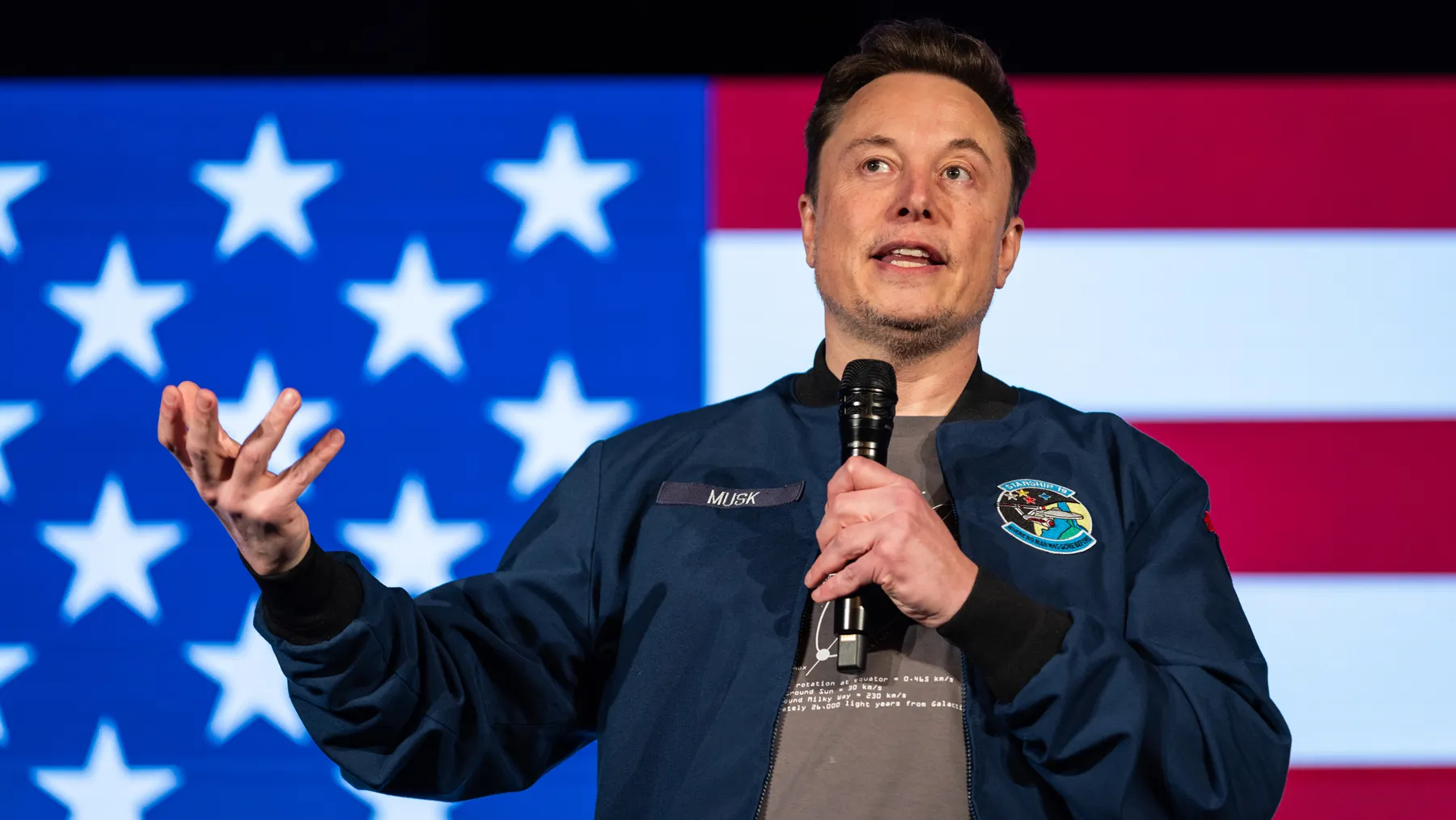
Elon Musk’s $1 Million Voter Lottery Lawsuit Returned to State Court

A federal judge in Pennsylvania has sent back to state court a lawsuit against Elon Musk and his political action committee (PAC) regarding a controversial $1 million daily lottery for registered voters. The ruling came on Friday, following Philadelphia District Attorney Larry Krasner’s request to halt the prize giveaways ahead of the upcoming presidential election.

Krasner’s office claims that Musk and his America PAC are running an illegal lottery designed to sway voters in the election between Donald Trump and Kamala Harris. They allege that the lottery violates state consumer protection laws and is aimed at influencing the electoral process.

The case was initially filed in the Philadelphia County Court of Common Pleas, but Musk’s team moved it to federal court, claiming jurisdiction due to its connection with the presidential election. However, U.S. District Judge Gerald Pappert ruled that the lawsuit should be handled in state court, stating that the legal issues raised are rooted in state law, not federal law. “Federal question jurisdiction does not turn on a plaintiff’s motivations in filing suit; it turns on whether the legal issues arising from the claims originate in federal or state law,” Pappert wrote.

In response to the ruling, Krasner’s office noted that the judge’s decision reaffirmed their position that Musk’s attempt to shift the case to federal court was unlawful. The District Attorney is seeking a hearing on Monday to address his request for an injunction against the lottery.

Musk announced the lottery on October 19, stating that the America PAC would randomly award $1 million daily until Election Day to registered voters in seven swing states, including Pennsylvania, who signed a petition supporting the U.S. Constitution. The first winners of the lottery were reportedly from Pennsylvania.

Following Krasner’s lawsuit, Musk was ordered to appear for an emergency hearing in the state court, but his legal team had already filed to move the case to federal jurisdiction. After Musk did not attend the scheduled hearing, Judge Angelo Foglietta indicated that the case could not proceed in state court due to its removal to federal jurisdiction.

Musk’s attorney, Matthew Haverstick, subsequently filed a motion to quash the order requiring Musk’s appearance, arguing that the request was intended to “harass and oppress” Musk during a critical election period. Haverstick contended that the District Attorney’s actions were an unconstitutional attempt to limit Musk’s First Amendment rights.