GSK’s Linerixibat Shows Success in Treating Relentless Itch in Late-Stage Trial

Breakthrough in Itch Treatment for Autoimmune Disease

GSK (GlaxoSmithKline) announced on Tuesday that its experimental drug, linerixibat, successfully met its primary endpoint in a late-stage trial aimed at treating cholestatic pruritus, also known as relentless itch. This condition is commonly associated with primary biliary cholangitis (PBC), a rare autoimmune liver disease that can lead to liver failure.

The trial results showed that linerixibat significantly improved the severity of itch in patients when compared to a placebo.


Impact of Primary Biliary Cholangitis (PBC)

Primary biliary cholangitis is an autoimmune disease where the bile ducts in the liver become damaged, leading to a buildup of bile and eventual liver dysfunction. Relentless itch is one of the most debilitating symptoms, affecting the quality of life of those with the condition. Linerixibat’s success in reducing this symptom offers hope for PBC patients who currently have limited treatment options for managing their itching.


Next Steps for GSK

Following the success of this phase, GSK plans to discuss the data with regulatory agencies to determine the next steps toward potential approval.

Lilly Pill Reduces Genetic Cholesterol by Nearly 86% in Trial

Lilly’s Breakthrough in Cholesterol Treatment

Eli Lilly’s experimental oral medication, muvalaplin, has shown significant promise in treating an inherited form of high cholesterol, specifically targeting lipoprotein(a), or Lp(a). Data from a mid-stage trial, presented at the American Heart Association meeting in Chicago, revealed that the highest dose of muvalaplin reduced Lp(a) levels by 70% using traditional tests and nearly 86% with a more specialized testing method.

Lp(a) is a major risk factor for cardiovascular diseases such as heart attacks and strokes, affecting approximately one in five people globally. Unlike LDL cholesterol, which can be managed with statins, Lp(a) currently has no approved treatments, and many people are unaware they have elevated levels.


Study Details and Results

The trial involved 233 adults with high Lp(a) levels, comparing three daily doses of muvalaplin (10 mg, 60 mg, and 240 mg) with a placebo. Using a traditional blood test, the drug reduced Lp(a) by 40.4%, 70.0%, and 68.9% for each dose, respectively. With the more precise test, reductions were 47.6%, 81.7%, and 85.8%.


Future Prospects and Safety

While muvalaplin showed significant efficacy in reducing Lp(a), adverse events in the treatment and placebo groups were similar, suggesting a favorable safety profile. Ruth Gimeno, Lilly’s VP for diabetes and metabolic research, expressed excitement about advancing the drug to late-stage trials. However, large-scale studies are still required to confirm if lowering Lp(a) can directly reduce cardiovascular events such as heart attacks.


Competitors in the Field

Lilly faces competition from other companies developing Lp(a) treatments, such as Silence Therapeutics, which reported successful results from its injectable drug zerlasiran. Zerlasiran, delivered every 16 to 24 weeks, reduced Lp(a) by up to 85%. Other injectable options in development include drugs from Amgen and Novartis.

Nigeria Launches Delayed Mpox Vaccination Programme

Targeted Vaccination Begins in Abuja

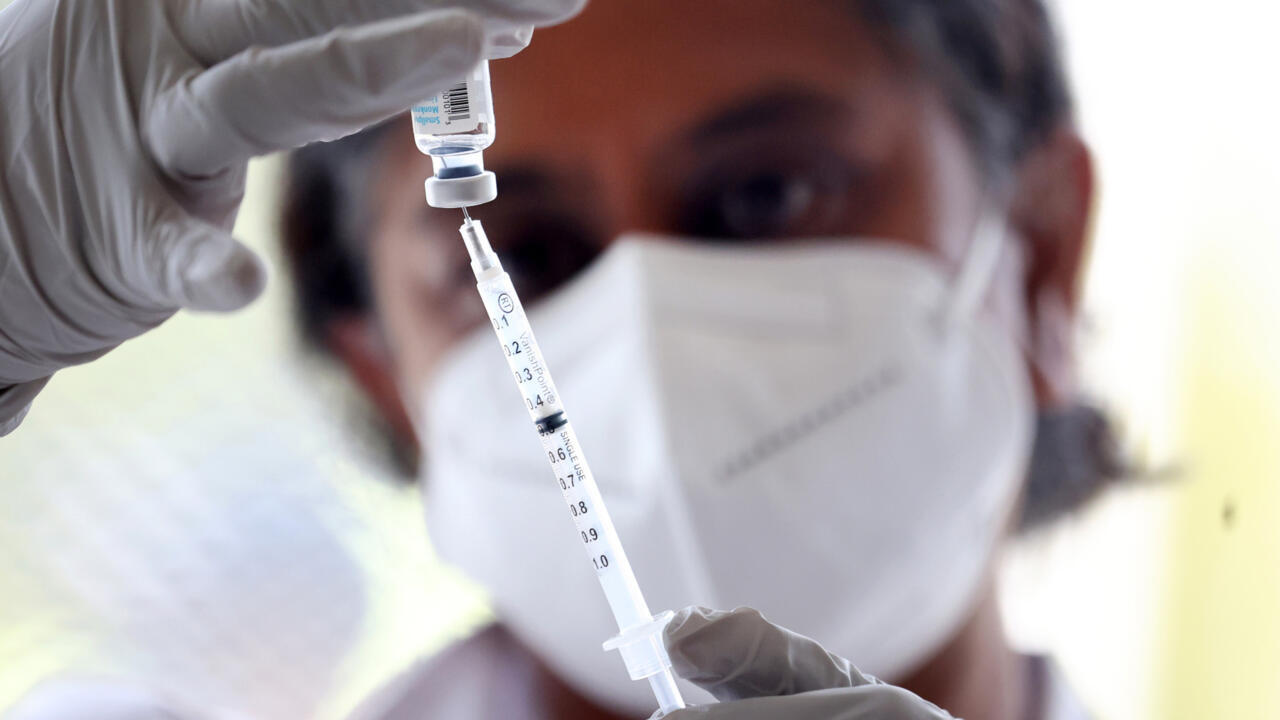
Nigeria has commenced its mpox vaccination programme, prioritizing health workers and immunocompromised individuals in Abuja. The initiative began on Monday at the Federal Medical Centre, where 30 people received the vaccine as part of the initial rollout.

The programme, delayed by over a month, follows Nigeria’s receipt of 10,000 vaccine doses in August from the United States. This shipment was part of a global response after the World Health Organization (WHO) declared mpox a public health emergency for the second time in two years.


Focus on At-Risk Groups

According to Hafsat Abdullazeez of the Institute of Human Virology, the vaccination effort is not aimed at mass immunization but is a “targeted ringed vaccination” strategy. It focuses on:

  • Healthcare workers: Due to their high exposure risk.
  • Immunocompromised persons: Particularly individuals living with HIV.

The programme will span 10 days and include Abuja and seven other states, such as Akwa Ibom, Bayelsa, and Rivers, which have reported notable case numbers.


Mpox Situation in Nigeria

Mpox, endemic to Nigeria and other African nations, has seen 94 confirmed cases in 2023 without any reported deaths. The vaccination campaign aims to mitigate the spread among vulnerable populations.

Globally, the WHO allocated 899,000 vaccine doses for nine African countries most affected by the surge. Nigeria’s campaign is a crucial step in addressing the mpox threat, leveraging its portion of the vaccines to protect healthcare systems and at-risk communities.


Global and Local Implications

Hardley Ikwe from the U.S. Centers for Disease Control emphasized the importance of the vaccination effort, highlighting its role in reducing mpox cases and safeguarding critical health personnel.

As Nigeria progresses with this initiative, the focus remains on ensuring effective distribution and fostering awareness to combat endemic diseases like mpox in the region.