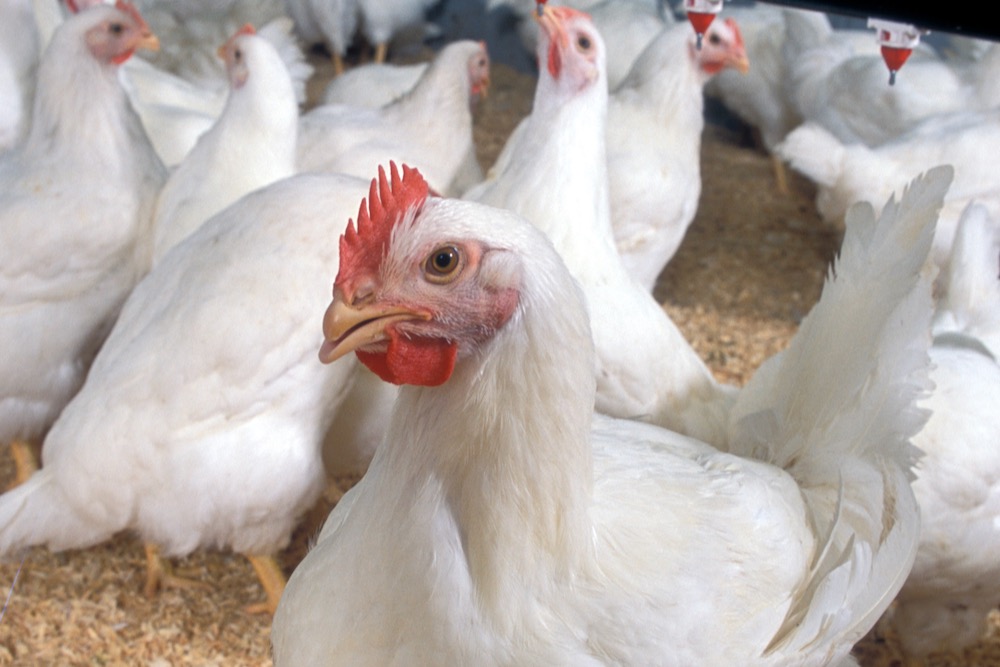
Washington Confirms Four New Bird Flu Cases Among Farmworkers, Pushing U.S. Total to 31

Four farmworkers in Washington state have been diagnosed with suspected cases of bird flu, marking a concerning trend as the virus continues to spread in farm environments and occasionally affects humans. If confirmed by the Centers for Disease Control and Prevention (CDC), these cases would bring the U.S. tally of human infections this year to 31. With flu season approaching, health experts are increasing their surveillance of the virus to detect any mutations that might heighten its ability to impact humans.

Virus Transmission Risks Across Six States

Washington is now the sixth U.S. state to report human cases of bird flu. The virus, which is already widely present in wild birds, poultry, and even some livestock, has led to heightened concerns as it persists across animal populations. “The longer this virus lingers, the greater the potential for it to evolve in unpredictable ways,” said Dr. Amber Itle, Washington State’s veterinarian. This unpredictable behavior, she notes, could pose a more serious risk and, in a worst-case scenario, bring the world closer to another pandemic.

While there’s no current evidence that bird flu spreads easily between people, health officials are determined to contain it within animal populations to prevent any further adaptation. According to the CDC, a federal response team will collaborate with state health departments to manage the outbreak and support prevention measures. For now, the risk to the general public remains low, though close monitoring will continue.

The CDC has ramped up its testing capabilities and collaboration with state agricultural agencies to detect and isolate new cases early. Preventative measures, including enhanced hygiene protocols for farmworkers and regular animal health checks, are in place to help mitigate risks. These proactive steps are crucial as experts assess whether existing antiviral treatments could be effective if the virus’s transmission profile changes.
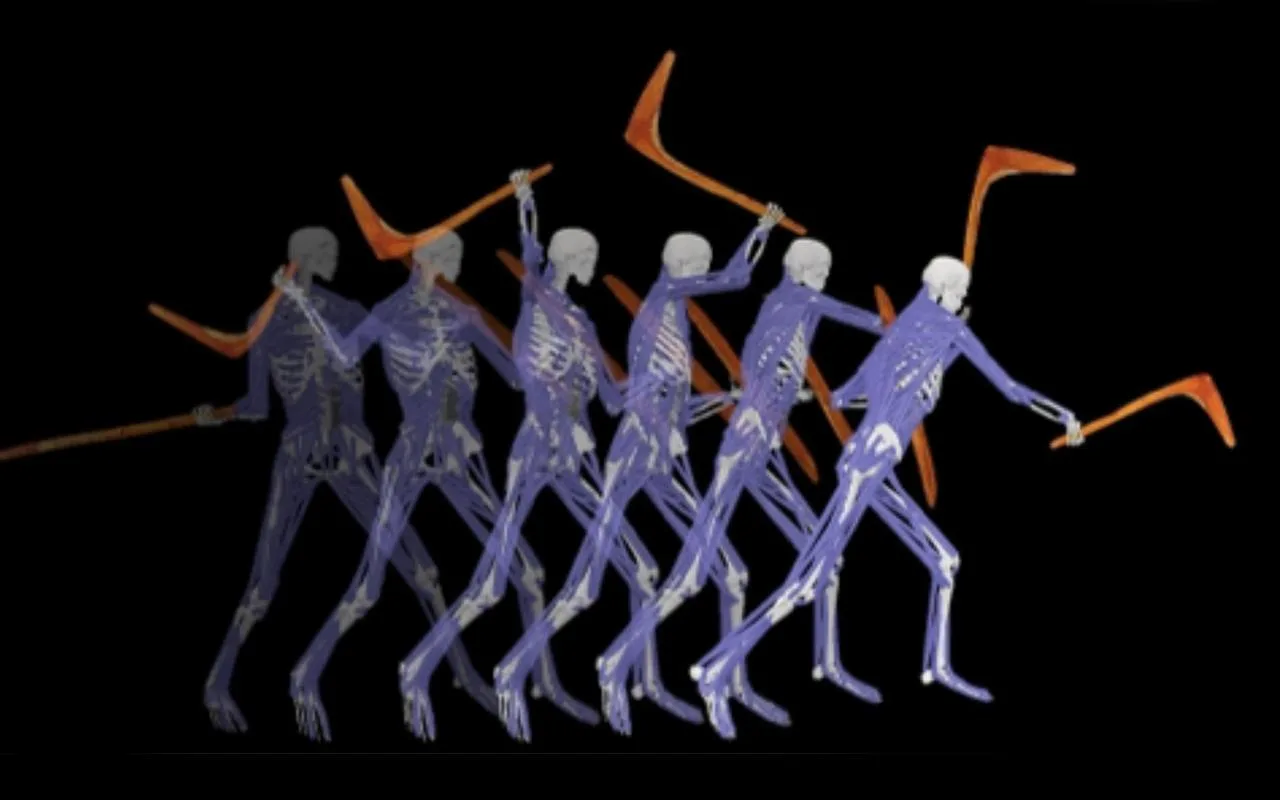

Ancient Precision: The Deadly Strength of Indigenous Australian Weapons Uncovered

A recent study has unveiled groundbreaking insights into the design and effectiveness of two traditional Indigenous Australian weapons: the kodj and the leangle. Conducted by biomechanics experts, this research dives into the precision, strength, and impact of these tools, which have been integral to First Nations cultures for millennia. Published in Scientific Reports, the study reveals not only the history behind these weapons but also the mechanics that make them so formidable. The kodj, a versatile tool dating back tens of thousands of years, stands out for its distinctive double-edge structure, which allows it to function as both a weapon and tool.

The study was inspired by the ABC TV series First Weapons, whose creators initiated the research to shed light on these iconic implements. Focusing on the kodj—a hybrid tool that blends the functions of a hammer and axe and is traditionally used by the Nyoongar people of southwest Australia—and the leangle, often paired with a parrying shield in southeastern Australian traditions, the researchers used biomechanics tools to measure the energy, speed, and impact of strikes. Series host Phil Breslin, who also served as a combat tester, demonstrated the tools in action, providing real-world simulations that allowed the team to observe these weapons’ full potential.

Crafted with exceptional skill, the kodj consists of a sturdy handle made from wattle wood and a sharp stone blade, a combination that enables effective dual-sided use. Larry Blight, an artisan from the Menang Noongar community, created the kodj used in the study, meticulously following traditional techniques passed down through generations. The leangle, designed as a pointed, hardwood weapon, was created by Brendan Kennedy and Trevor Kirby of the Wadi Wadi Country. When paired with a hardwood shield, the leangle excels in close-quarters combat, offering both offensive and defensive capabilities that emphasize quick, precise strikes.

This study illuminates the depth of knowledge embedded within Indigenous Australian weapon-making traditions. It highlights not only the craftsmanship but also the scientific understanding behind these weapons’ design, as they were tailored for specific environmental and tactical needs. By merging historical knowledge with modern biomechanics, the research provides a powerful testament to the ingenuity and skill of Australia’s First Nations, whose tools reveal an unparalleled blend of precision, power, and resilience

Ease Knee Pain with These Simple, Effective Exercises

Knee pain is a common issue, affecting about one in four adults, as reported by a 2018 study in American Family Physician. Many factors can contribute to sore knees, including osteoarthritis, injuries, weak muscles, overuse, and poor alignment. While resting is tempting, experts suggest that exercise, especially Pilates, can provide more lasting relief.

Dr. Adam Kreitenberg, a rheumatologist, emphasizes the importance of understanding the source of knee pain—whether due to conditions like osteoarthritis or biomechanical issues that may worsen over time without correction. Shari Berkowitz, a biomechanist and Pilates instructor, explains that misalignment and strain can lead to chronic knee problems. Strengthening the muscles that support the knees can ease pain and prevent further injury.

Pilates, known for its low-impact movements, strengthens the quadriceps, hamstrings, glutes, and calves while enhancing alignment and stability. A 2022 study in Musculoskeletal Care found Pilates effective in reducing pain linked to osteoarthritis and improving mobility. Below are five exercises that can support knee health and help alleviate discomfort.

  1. Shoulder Bridge Prep
    • Lie on your back with knees bent and feet parallel.
    • Lift your pelvis, engaging your core, and hold for five breaths before lowering down.
  2. Half Roll-Down
    • Sit with knees bent at 90 degrees and feet flat on the floor.
    • Roll your spine backward while extending your arms straight, then return to the starting position.
  3. Squat
    • Stand with feet shoulder-width apart.
    • Lower yourself as if sitting in a chair, keeping knees aligned over your feet. Hold briefly, then stand back up.
  4. Straight Leg Raise
    • Lie on your back, bend one knee, and lift the opposite leg to the height of your bent knee, holding before lowering.
  5. Standing Hamstring Curl
    • Standing with feet close together, hold a stable surface and bend one knee to a 90-degree angle before lowering back down.

Experts suggest aiming for three sets of 10 to 15 repetitions as you build strength. Adding Pilates reformer exercises can enhance the results further.

Incorporating these exercises may relieve up to 30% of knee pain, according to Dr. Kreitenberg. Yet, lifestyle adjustments—wearing supportive shoes, eating enough protein, and staying active—are equally vital for managing knee health and keeping pain at bay.