Lost Maya City of Valeriana Uncovered in Mexico, Revealing Over 6,600 Structures

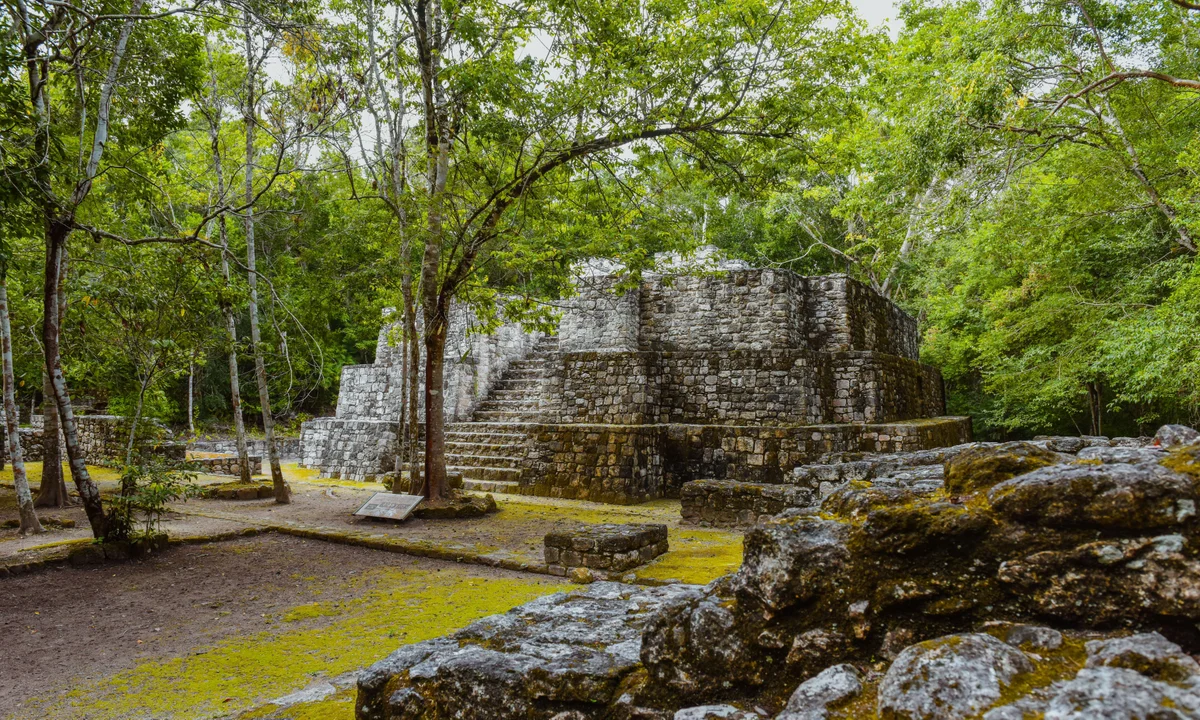
Archaeologists have uncovered a previously unknown Maya city, Valeriana, nestled in Mexico’s Yucatán Peninsula. The ancient site, located in east-central Campeche, is home to more than 6,600 structures, including impressive temple pyramids and a ball court. This remarkable discovery was made possible by the use of Lidar technology, which employs laser pulses to map the terrain and identify structures hidden beneath the surface. Valeriana’s discovery underscores how Lidar is revolutionizing archaeology, allowing researchers to uncover forgotten cities buried under modern landscapes.

The Lidar mapping of Valeriana reveals a densely packed urban center characteristic of the Maya Classic period, which spanned roughly between 250 and 900 AD. The city layout features multiple enclosed plazas, wide causeways, and residential terraces situated on the surrounding hillsides. The arrangement of these structures suggests that Valeriana may have been a political or economic center of the Maya civilization. What’s particularly striking is the fact that these ancient structures are located near modern highways and farmland, illustrating how the ancient and modern landscapes overlap in this region.

This discovery also highlights an innovative approach to archaeological research. The team, led by Luke Auld-Thomas, an archaeologist from Northern Arizona University, made use of pre-existing Lidar data that had been originally collected for ecological and forestry studies. By analyzing these data, the team was able to identify Valeriana without the need for expensive, dedicated Lidar surveys. This clever use of already available data has allowed researchers to bypass the financial constraints typically associated with new archaeological surveys and uncover a site that was previously overlooked.

The discovery of Valeriana is a testament to the potential of advanced technologies like Lidar in reshaping our understanding of ancient civilizations. By revealing hidden Maya cities that have long been buried beneath the jungle or modern infrastructure, archaeologists are unlocking new insights into the lives of the Maya people and their complex urban systems. As more sites like Valeriana are uncovered, we gain a deeper understanding of the cultural and historical richness that once thrived in these ancient civilizations.

The Potential Risks of Synthetic Food Dyes for Children: What the Research Shows

Synthetic food dyes are commonly used in processed foods to enhance their appearance, though they offer no nutritional or preservative benefits. These vibrant colorants are especially prevalent in snacks, drinks, and breakfast cereals, often found in products marketed to children. The dyes are identified by their specific color and number, such as “Red 40” or “Yellow 5.” However, in the U.S., clear labelling requirements for these additives are lacking, leaving consumers to guess which products may contain them. This lack of transparency raises concerns, particularly among parents trying to avoid potential additives in foods consumed by their children.

A recent development in California has brought increased attention to the potential risks of synthetic food dyes. The state has passed the California School Food Safety Act, which will ban certain synthetic dyes from public school foods starting in 2028. This legislation stems from growing concerns about the potential behavioural effects of these additives, particularly on children. Studies have suggested that synthetic food dyes might be linked to issues such as difficulty focusing and heightened hyperactivity in children. The California Office of Environmental Health Hazard Assessment reviewed 25 clinical trials, revealing findings that point to a potential connection between these dyes and behavioural changes, which spurred the decision for this preventative measure.

On the federal level, however, the U.S. Food and Drug Administration (FDA) has maintained a different stance. The FDA continues to approve synthetic food dyes, arguing that current evidence does not establish a conclusive link between these additives and behavioural problems in children. While research has pointed to correlations, the FDA asserts that the available data does not meet the threshold required for regulatory action. This ongoing divergence between state and federal perspectives has created a regulatory gap, with some states like California adopting more stringent regulations while the federal government holds to its current approval of these colorants.

As the debate continues, the growing concern around food additives highlights the need for clearer regulations and more comprehensive research on the long-term effects of synthetic dyes, especially in vulnerable populations like children. While California’s legislation represents a significant shift in response to public concern, the broader question remains: Are synthetic food dyes truly harmful, and should their use be more strictly regulated to ensure the safety of consumers

Study Reveals That the World’s Tree Species Are Facing Extinction Threats

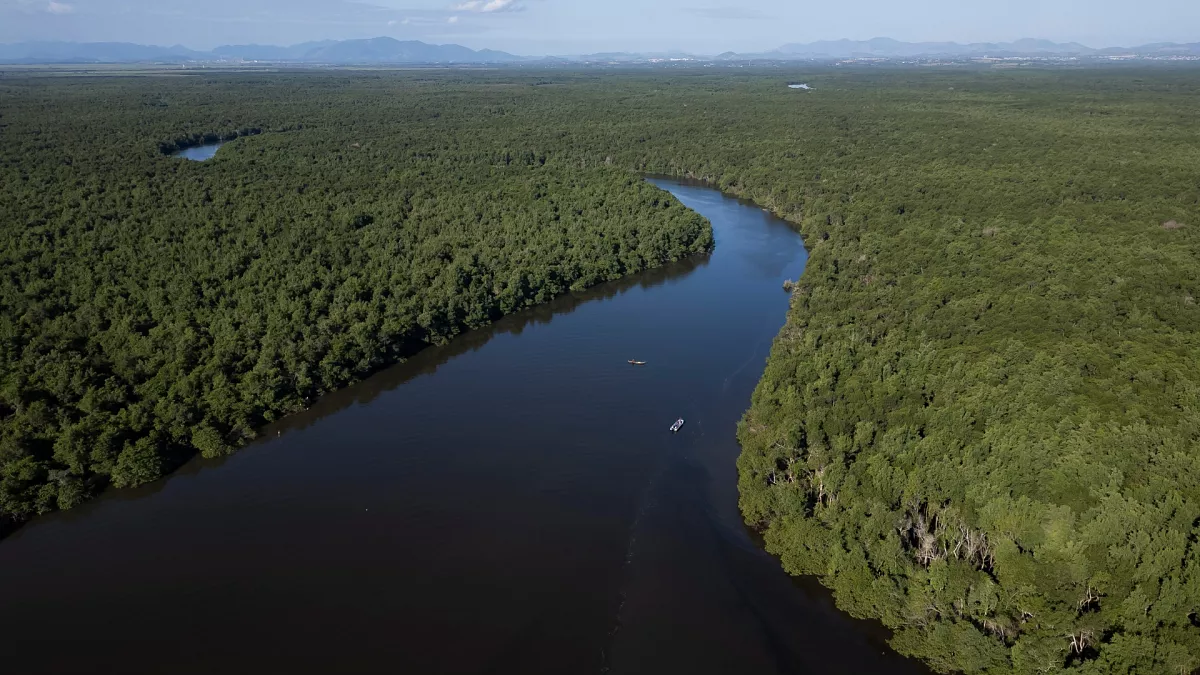
A new report from environmental scientists has sounded the alarm over the alarming rate at which the world’s tree species are facing extinction. According to the updated International Union for Conservation of Nature (IUCN) Red List, over one-third of global tree species are now at risk. The findings, presented at the UN COP16 biodiversity summit in Cali, Colombia, highlight the escalating biodiversity crisis and the severe threats to ecosystems worldwide. Deforestation driven by agriculture, commercial logging, and urban expansion are the leading culprits behind this rapid decline. Additionally, pests and diseases, particularly in temperate regions, have exacerbated the situation, pushing vulnerable tree species closer to extinction.

The consequences of this crisis extend beyond the loss of trees themselves. Trees are critical to maintaining biodiversity, providing habitats and sustenance for countless species of birds, mammals, insects, and other organisms. The loss of tree species threatens the delicate balance of ecosystems and has a cascading effect on the survival of other species that depend on them. The rapid decline of trees could lead to further environmental degradation, affecting both wildlife and human communities that rely on forests for resources like clean air and water.

In response to this pressing issue, conservationists are rallying around innovative efforts to preserve endangered tree species. Institutions like the Royal Botanic Gardens, Kew, are spearheading initiatives such as seed banks and arboretum projects aimed at safeguarding genetic diversity and promoting the regeneration of threatened tree species. Emily Beech of Botanic Gardens Conservation International (BGCI) pointed to the growing availability of new tools and technologies that allow for more targeted and effective conservation efforts on the ground. Despite this, conservationists face an uphill battle, as trees in 192 countries are now under threat, including iconic species like magnolias, oaks, and ebonies.

The crisis extends beyond trees, with the updated red list also highlighting the broader impacts on wildlife. Species like the European hedgehog and migratory shorebirds are increasingly vulnerable as their natural habitats shrink due to expanding agricultural land use. In the UK, for example, four species of shorebirds, including the grey plover and dunlin, have been added to the endangered category, further underlining the interconnectedness of ecosystems and the urgent need for comprehensive conservation strategies. The growing threats to tree species and wildlife serve as a stark reminder of the urgent need to address environmental destruction before it’s too late.