NASA’s IMAP Mission Gears Up to Chart the Boundaries of Our Solar System

NASA’s Interstellar Mapping and Acceleration Probe (IMAP) arrived at the Astrotech space operations facility, transported by semitrailer all the way from NASA’s Marshall Space Flight Center in Huntsville, Alabama. This milestone marks a critical step in preparing the spacecraft for its upcoming mission to explore the outer boundaries of our solar system. IMAP is often described as a modern-day celestial cartographer, tasked with mapping the vast heliosphere—the protective bubble formed by the solar wind emitted by the Sun. This bubble shields our solar system from harmful cosmic radiation originating from interstellar space. The spacecraft is scheduled for launch no earlier than fall 2025 aboard a SpaceX Falcon 9 rocket from NASA’s Kennedy Space Center, where it will be carefully processed, fueled, and encapsulated at the Astrotech facility.

IMAP’s mission will take it to a unique vantage point in space known as Lagrange Point 1 (L1), located roughly one million miles from Earth in the direction of the Sun. Positioned here, the probe will have an unobstructed view of the solar wind and the distant heliosphere without interference from planetary magnetic fields or atmospheres. This strategic orbit will enable IMAP to carry out its core scientific goals: to measure the solar wind and map the structure and dynamics of the heliosphere. Equipped with 10 cutting-edge scientific instruments, IMAP will gather detailed data on how the solar wind interacts with interstellar space, improving our understanding of the protective magnetic bubble that surrounds our solar system.

Before arriving at Astrotech, IMAP underwent rigorous testing at NASA’s Marshall Space Flight Center to ensure it can withstand the harsh conditions of space travel. This included thermal vacuum testing inside the X-ray and Cryogenic facility, which simulates the extreme temperature variations and vacuum environment IMAP will face during launch and throughout its journey toward the Sun. These tests are vital to confirming the spacecraft’s durability and readiness for the mission ahead.

As IMAP moves through its final preparations, the mission promises to deliver unprecedented insights into the solar system’s edge and its interaction with the galaxy beyond. By charting the heliosphere in detail, IMAP will help scientists better understand the space environment that shields Earth and the other planets from cosmic radiation. This knowledge is crucial not only for advancing space science but also for planning future deep space exploration missions that will rely on navigating and surviving in this complex cosmic neighborhood.
FAA Clears SpaceX Starship for Next Test Flight, Expands Hazard Zones After Debris Incidents

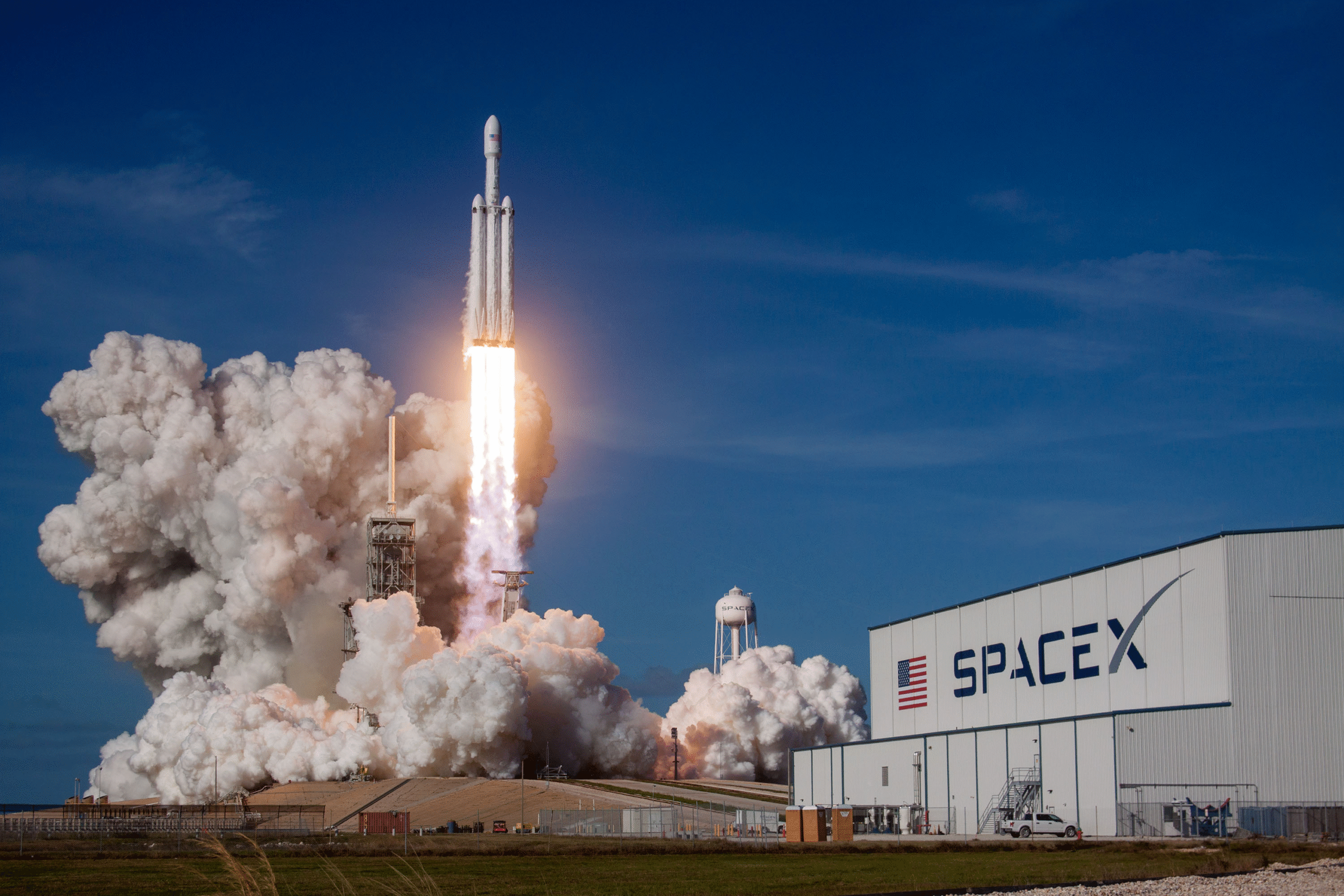
The U.S. Federal Aviation Administration (FAA) has approved SpaceX’s Starship for its ninth test flight, following a series of explosive failures that scattered debris across international territories earlier this year. The launch, now cleared to proceed as early as Tuesday, May 27, will include enhanced safety measures and wider hazard zones along the rocket’s trajectory.

The 400-foot-tall (122-meter) rocket system, a cornerstone of NASA’s Artemis Moon program and Elon Musk’s Mars colonization vision, has faced intense scrutiny following two failed flights in January and March. Debris from those tests impacted areas in Turks and Caicos, the Bahamas, and other parts of the Caribbean, raising diplomatic and safety concerns.

Expanded Flight Safety Protocols

  • The FAA has expanded the Aircraft Hazard Area along Starship’s path:

    • From 885 nautical miles to 1,600 nautical miles

    • Includes airspace over the Straits of Florida, Bahamas, Turks and Caicos, and parts of Mexico and Cuba

  • The expansion is based on an updated flight safety analysis, factoring in:

    • Probabilities of vehicle failure

    • Public safety risks

    • Introduction of booster reuse for the first time in Starship’s test program

“With the Starship vehicle return to flight determination, Starship Flight 9 is authorized for launch,” said the FAA, confirming SpaceX meets all safety, environmental, and licensing standards.

Diplomatic and Environmental Coordination

The FAA emphasized its collaboration with international partners, including:

  • United Kingdom (Turks and Caicos)

  • Mexico, Cuba, and the Bahamas

These nations were involved in post-incident cleanup coordination and expressed concern after debris from previous flights landed in their jurisdictions.

What’s at Stake

  • Flight 9 marks a critical milestone in SpaceX’s goal of reusability, as it attempts to reuse a Super Heavy booster for the first time.

  • Success would represent a major step toward Musk’s ambition to create a rapidly reusable launch system for human space exploration.

  • Delays or additional failures could impact NASA’s Artemis lunar plans, which rely on Starship to land astronauts on the Moon later this decade.

The FAA’s decision reaffirms the agency’s role in balancing commercial innovation with global safety and diplomatic responsibility, as spaceflight increasingly intersects with international airspace and policy.

Falling Satellites Offer Scientists New Clues on Atmospheric Pollution from Spacecraft Reentries

Scientists Track Fiery Satellite Reentry to Study Atmospheric Pollution

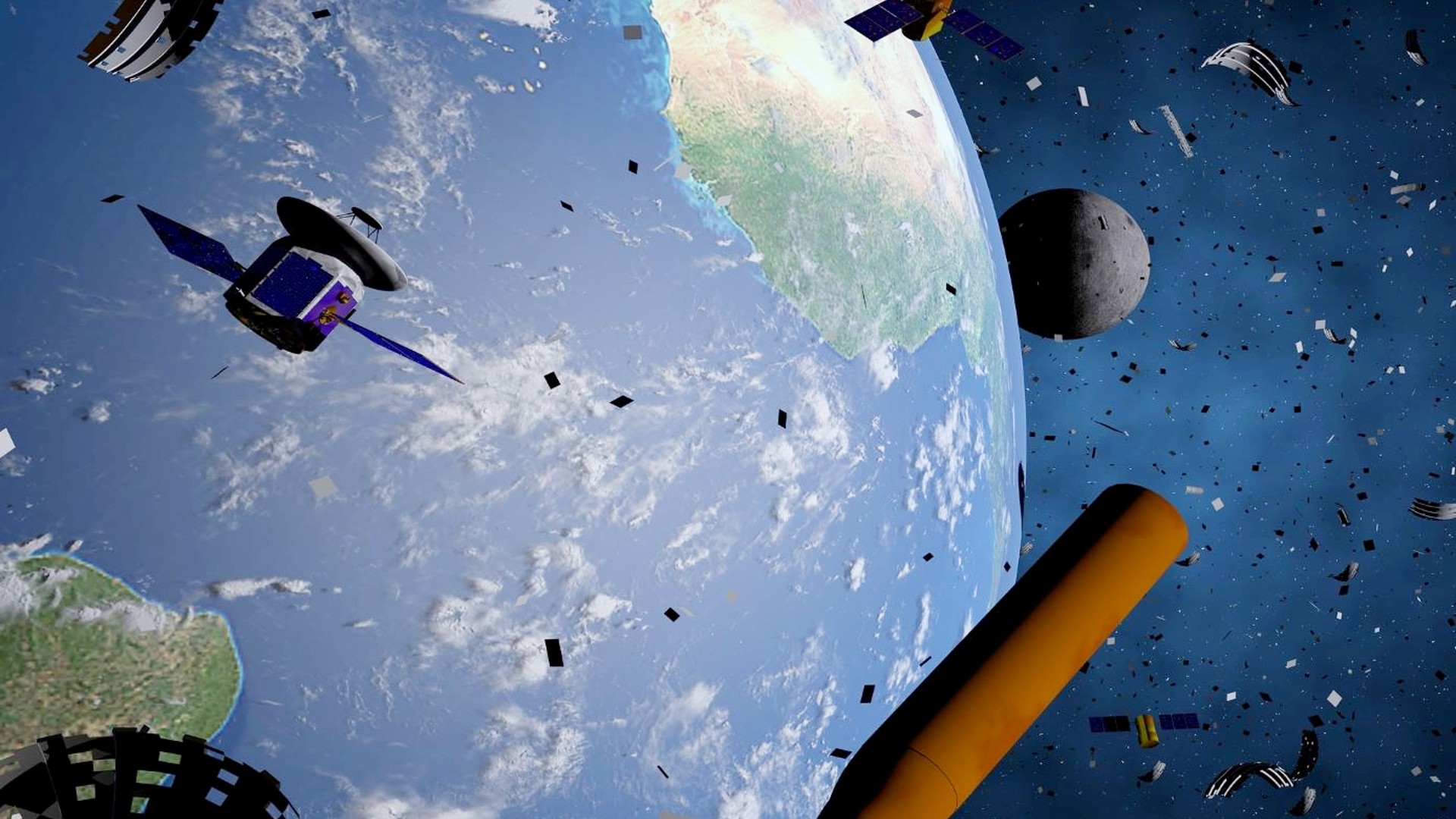
In a rare and ambitious effort, European scientists took to the skies in September 2024 to observe the fiery reentry of a defunct satellite and gather firsthand data on atmospheric pollution caused by spacecraft disintegration. Aboard a specially equipped aircraft carrying 26 high-resolution cameras, the team followed the descent of the Cluster Salsa satellite over the Pacific Ocean. Launched from Easter Island, the mission aimed to capture visual and chemical signatures released during the satellite’s high-speed fall through Earth’s atmosphere. Despite interference from bright natural light, the team succeeded in documenting the satellite’s breakup and associated chemical emissions for the first time.

Preliminary findings, presented at the European Conference on Space Debris, revealed emissions of lithium, potassium, and aluminum during the satellite’s descent. These elements, researchers warn, may pose potential risks to the ozone layer and contribute to changes in atmospheric chemistry and climate. According to Stefan Löhle of the University of Stuttgart, the satellite began to fracture around 80 kilometers above sea level, with observations halting at 40 kilometers due to visual extinction. The weak, fragmented trail observed suggests a less intense burn-up than initially expected, indicating smaller fragments splintered off during reentry.

This mission underscores growing concerns about the environmental impact of satellite reentries, which are becoming more frequent with the rise of megaconstellations like SpaceX’s Starlink. While many modern satellites are designed to disintegrate completely upon reentry, some components and combustion byproducts, such as aluminum oxide, may persist and interact with the upper atmosphere. These particles have been linked to potential disruptions in thermal dynamics and ozone chemistry. Notably, this marked only the fifth time a spacecraft reentry was successfully tracked from the air, giving researchers a rare chance to calibrate their models with real-world data. It’s also suspected that some titanium parts from the 550-kilogram Cluster Salsa may have survived the descent and reached the Pacific.

Looking ahead, scientists plan to conduct similar airborne tracking missions for the remaining satellites in the Cluster constellation—Rumba, Tango, and Samba—which are projected to reenter Earth’s atmosphere by 2026. Although the bright sky limited certain types of measurements during the Salsa mission, researchers are optimistic that continued observations will deepen understanding of how spacecraft reentries affect atmospheric conditions and contribute to long-term climate dynamics.