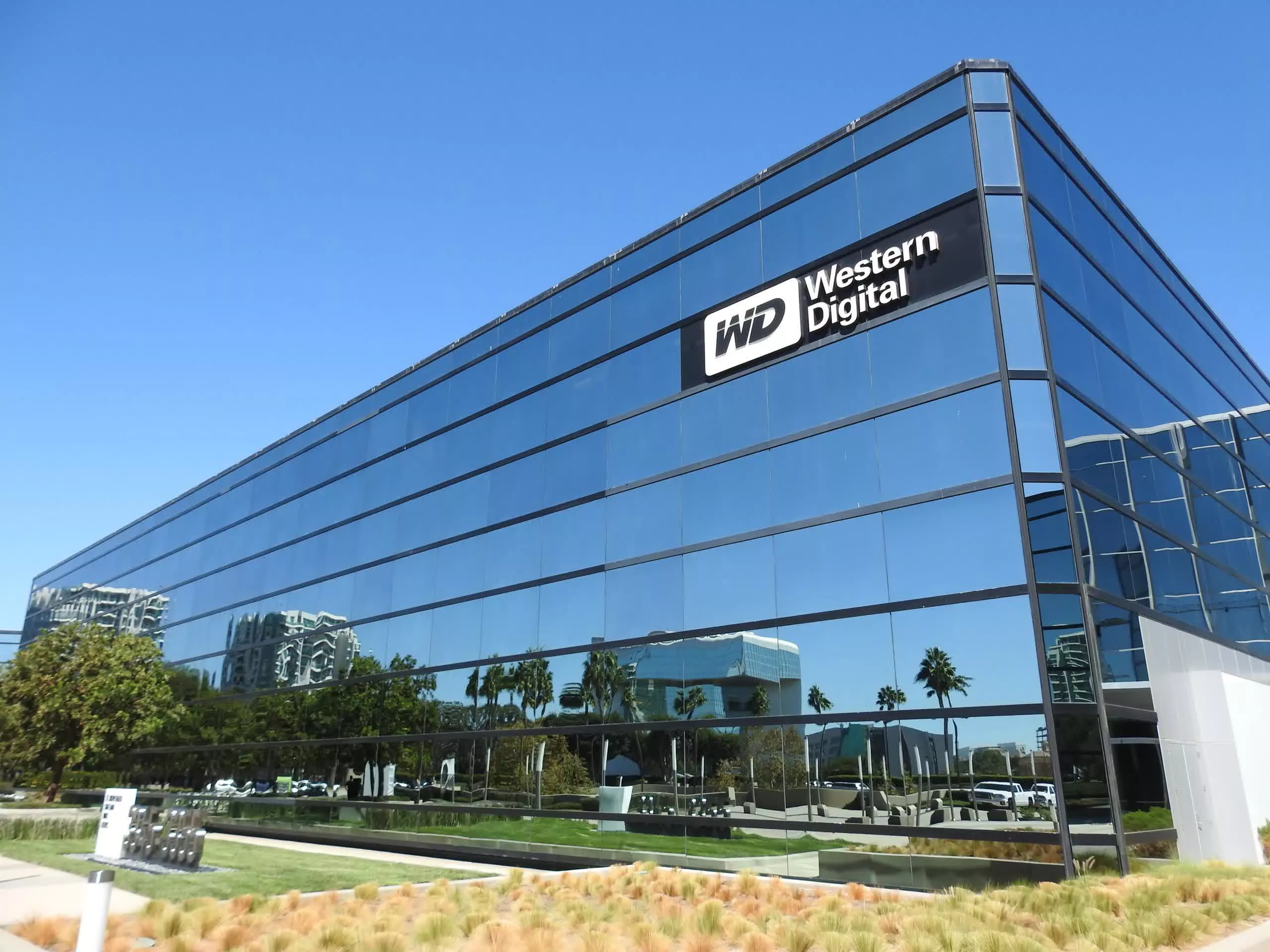
Western Digital and Seagate Surge as AI Infrastructure Demand Fuels Record Gains

Shares of data storage leaders Western Digital and Seagate have skyrocketed this year, outpacing the broader market as global demand for AI-driven infrastructure fuels unprecedented growth in hard drive sales. Both companies’ stocks have surged over 200% in 2025, reaching record highs amid a worldwide scramble to expand data storage capacity for artificial intelligence applications.

Western Digital shares rose more than 11% on Friday after the company forecast second-quarter earnings above Wall Street estimates. Analysts at J.P. Morgan noted that Western Digital has secured purchase orders from five of its largest customers through 2026, signaling strong confidence in sustained AI-related demand.

Seagate, a close rival, also projected revenue and profit above expectations earlier this week, pushing its stock up more than 22%. Both companies are now among the top three performers in the S&P 500 this year, trailing only Robinhood.

Smaller competitor Sandisk, spun off from Western Digital in February, has seen its shares soar fivefold since its debut and was up another 3.6% on Friday ahead of its upcoming earnings report.

The S&P 1500 tech hardware, storage, and peripherals sector—which includes all three companies—has climbed more than 12% this year, hitting an all-time high. As major tech firms like Alphabet, Microsoft, Meta, and Amazon ramp up capital spending on chips and data centers, analysts expect global AI infrastructure investments to reach up to $4 trillion by 2030.

Apple Forecasts Strong Holiday Quarter as iPhone 17 Demand Surges

e CEO Tim Cook announced forecasts for the company’s upcoming holiday quarter that surpass Wall Street expectations, driven by robust demand for the new iPhone 17 lineup despite ongoing supply challenges. Cook expects iPhone sales to grow by double digits year-over-year and total revenue to rise between 10% and 12% in Apple’s fiscal first quarter of 2026.

The company’s previous quarter saw iPhone sales fall short of projections due to shipping delays and supply constraints, particularly in China, where the launch of the ultra-thin iPhone Air was delayed. However, the shortfall was offset by strong sales in other product categories, such as AirPods featuring AI-powered translation capabilities.

Apple’s quarterly revenue reached $102.47 billion with profits of $1.85 per share, beating Wall Street’s expectations. Shares rose 3.7% in after-hours trading following the announcement.

Cook said supply constraints on several iPhone 17 models persist, but the company is working rapidly to fulfill orders. “It’s a good problem to have,” he remarked, emphasizing Apple’s confidence in returning to growth in China during the next quarter.

The company’s broader strategy focuses on integrating advanced AI features into its ecosystem. While rivals have surged ahead in AI, Cook confirmed that Apple is making “good progress” on major Siri upgrades expected next year. With its new iPhone Air, enhanced Pro models, and strong holiday demand, Apple is poised for one of its most profitable quarters yet.

Nvidia to Supply Over 260,000 Blackwell AI Chips to South Korea

Nvidia, the U.S. semiconductor leader, announced it will deliver more than 260,000 of its latest Blackwell AI chips to South Korea’s government and major conglomerates, including Samsung Electronics, SK Group, Hyundai Motor Group, and Naver. The move solidifies South Korea’s position as an emerging artificial intelligence powerhouse in Asia.

The agreement follows a meeting between Nvidia CEO Jensen Huang, South Korean President Lee Jae Myung, and leading business figures on the sidelines of the Asia-Pacific Economic Cooperation summit in Gyeongju. While the deal’s value and delivery schedule were not disclosed, Huang highlighted that just as Korea has led in producing ships, cars, and semiconductors, it can now “export intelligence” to the world through AI.

South Korea’s government plans to use over 50,000 of the chips to enhance its AI infrastructure, while Samsung, SK Group, and Hyundai will each deploy up to 50,000 chips in smart factories and autonomous systems. Internet giant Naver will purchase 60,000 chips to boost its computing power for projects like the National AI Computing Center.

Amid ongoing U.S.-China trade tensions that have restricted Nvidia’s access to the Chinese AI chip market, the company is expanding its footprint in alternative markets such as South Korea. The partnership reinforces Nvidia’s role in driving global AI advancement, particularly in industries such as manufacturing, robotics, and autonomous driving.