Yazılar

Microsoft Forms New Team to Develop ‘Humanist’ Superintelligence, Says AI Chief

Microsoft’s Vision for Humanist Superintelligence: A People-Centric Future for AI

Microsoft has announced its ambitious goal to build what it calls a “humanist superintelligence” — an advanced form of artificial intelligence that serves humanity’s best interests. The company envisions this next-generation AI as one that “always works for, and in service of, people and humanity more generally.” The declaration comes amid an intensifying race toward achieving artificial general intelligence (AGI), with tech giants like Google, OpenAI, and Meta all vying for leadership in the space. Yet, Microsoft stresses that while the competition for capability continues, there must also be a global discussion about the kind of AI future society truly wants.

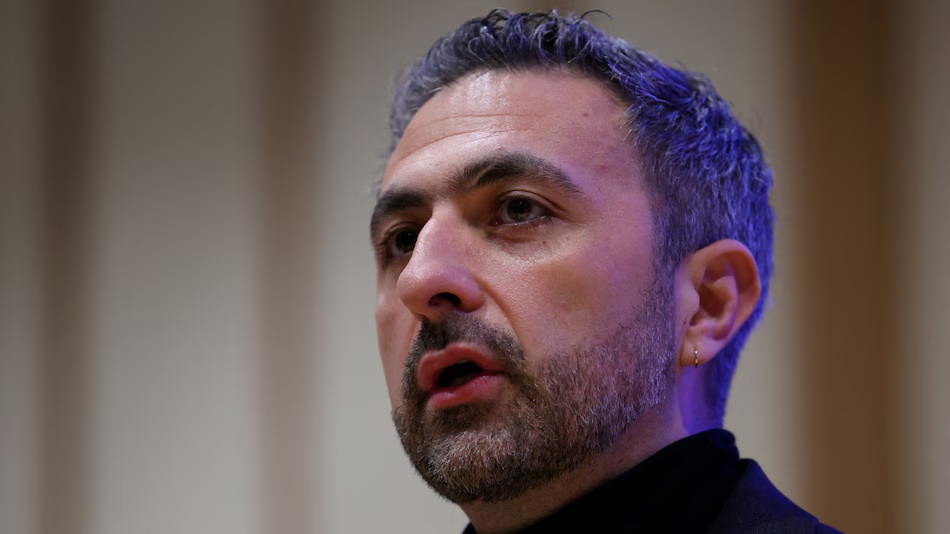
In a detailed blog post, Mustafa Suleyman, the CEO of Microsoft AI, emphasized that defining the purpose and boundaries of superintelligence should be a priority before the technology reaches maturity. He noted that the industry has already crossed an inflection point with the rise of “reasoning models” — AI systems capable of complex problem-solving and contextual understanding. According to Suleyman, this shift marks a crucial moment to set ethical and practical frameworks that ensure AI remains beneficial and controllable.

Suleyman further explained that Microsoft does not aim to create an “unbounded and unlimited entity with high degrees of autonomy.” Instead, the company seeks to develop systems that are “carefully calibrated, contextualized, and within limits.” This human-centered approach reflects Microsoft’s long-standing stance on responsible AI development, where transparency, accountability, and safety are integral to innovation.

Ultimately, the company’s vision of humanist superintelligence is rooted in empowering people rather than replacing them. Microsoft wants its AI to amplify human potential, helping address global challenges such as climate change, healthcare disparities, and education gaps. By focusing on a humanist framework, the tech giant hopes to ensure that the dawn of superintelligence strengthens — rather than disrupts — the foundations of human progress.
DeepSeek Researcher Voices Pessimism About AI’s Future Impact Despite Company’s Global Success

In its first major public appearance since becoming a global AI sensation, Chinese developer DeepSeek struck a surprisingly cautious tone about the technology’s long-term impact on society.

At the World Internet Conference in Wuzhen, Chen Deli, a senior researcher at DeepSeek, warned that artificial intelligence could create major social disruptions within the next two decades. “In the next 10–20 years, AI could take over the rest of work humans perform and society could face a massive challenge,” Chen said. “I’m extremely positive about the technology, but I view the impact it could have on society negatively.”

Chen shared the stage with executives from five other Chinese AI companies—Unitree, BrainCo, and others—collectively referred to as the country’s “six little dragons” of AI innovation. While praising AI’s potential in the short term, Chen stressed that companies like DeepSeek must act as “defenders” of social stability as automation accelerates.

DeepSeek rose to global prominence in January after releasing a low-cost open-source AI model that outperformed several leading U.S. systems. The company’s meteoric rise has since made it a symbol of China’s technological resilience amid intensifying competition with the United States.

Despite its success, DeepSeek has remained mostly silent publicly. Its only major appearance this year came when founder and CEO Liang Wenfeng met President Xi Jinping in February. The company has since skipped several major tech events, adding to its enigmatic reputation.

DeepSeek has continued developing its technology quietly, unveiling in September a new V3 model that it described as “experimental,” optimized for efficiency and longer text processing. Its work has also boosted China’s domestic chip ecosystem: hardware makers Cambricon and Huawei now build processors compatible with DeepSeek’s models.

In August, DeepSeek’s announcement of an upgraded model optimized for Chinese-made chips caused local semiconductor stocks to surge—underlining how the company remains both a technical pioneer and a national symbol of self-reliance in AI.

Elon Musk Wins Shareholder Approval for Record $1 Trillion Tesla Pay Plan

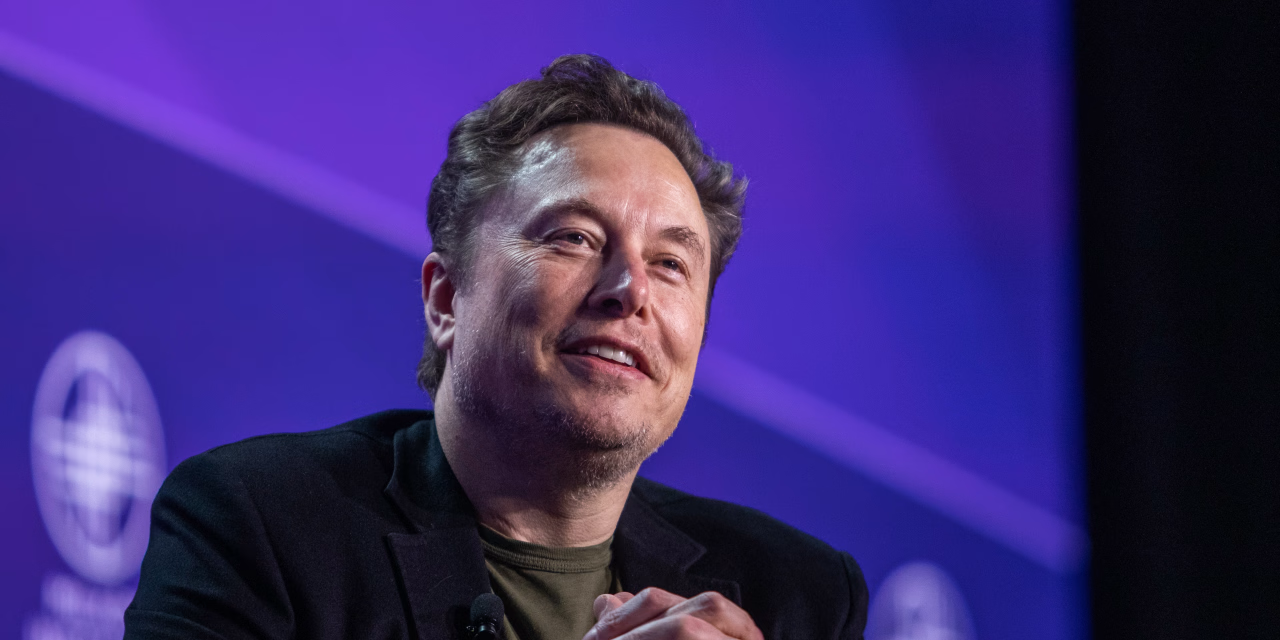
Elon Musk has secured shareholder approval for a record-breaking $1 trillion Tesla pay package, cementing his grip on the company as he pushes to transform the electric vehicle maker into a global leader in AI and robotics.

The plan received over 75% support during Tesla’s annual shareholder meeting in Austin, Texas, where Musk appeared on stage alongside dancing robots, calling the moment “a whole new book” in Tesla’s story.

The approved package could grant Musk up to $878 billion in stock over the next decade, contingent on ambitious performance milestones — including delivering 20 million vehicles, deploying 1 million robotaxis, and generating $400 billion in core profit. Tesla’s market value would need to climb from $1.5 trillion to $8.5 trillion for Musk to unlock the full payout.

The vote follows months of intense debate over Musk’s compensation and influence. The Tesla board warned that Musk could shift his focus to other ventures — such as SpaceX or his AI startup xAI — if shareholders rejected the plan.

“This isn’t just another chapter,” Musk said to cheering investors. “It’s the start of something entirely new.”

Critics, including Norway’s sovereign wealth fund and proxy advisory firms Glass Lewis and ISS, opposed the plan, citing governance concerns and the risk of excessive power consolidation. Yet supporters argued that tying compensation to Tesla’s market success aligns Musk’s incentives with shareholders’.

Shareholders also voted to invest in xAI, though analysts noted that many abstentions signaled caution over potential conflicts of interest.

The approval clears a major uncertainty clouding Tesla’s future and reinforces Musk’s position as both the visionary and lightning rod behind the company’s AI and robotics ambitions.