Yazılar

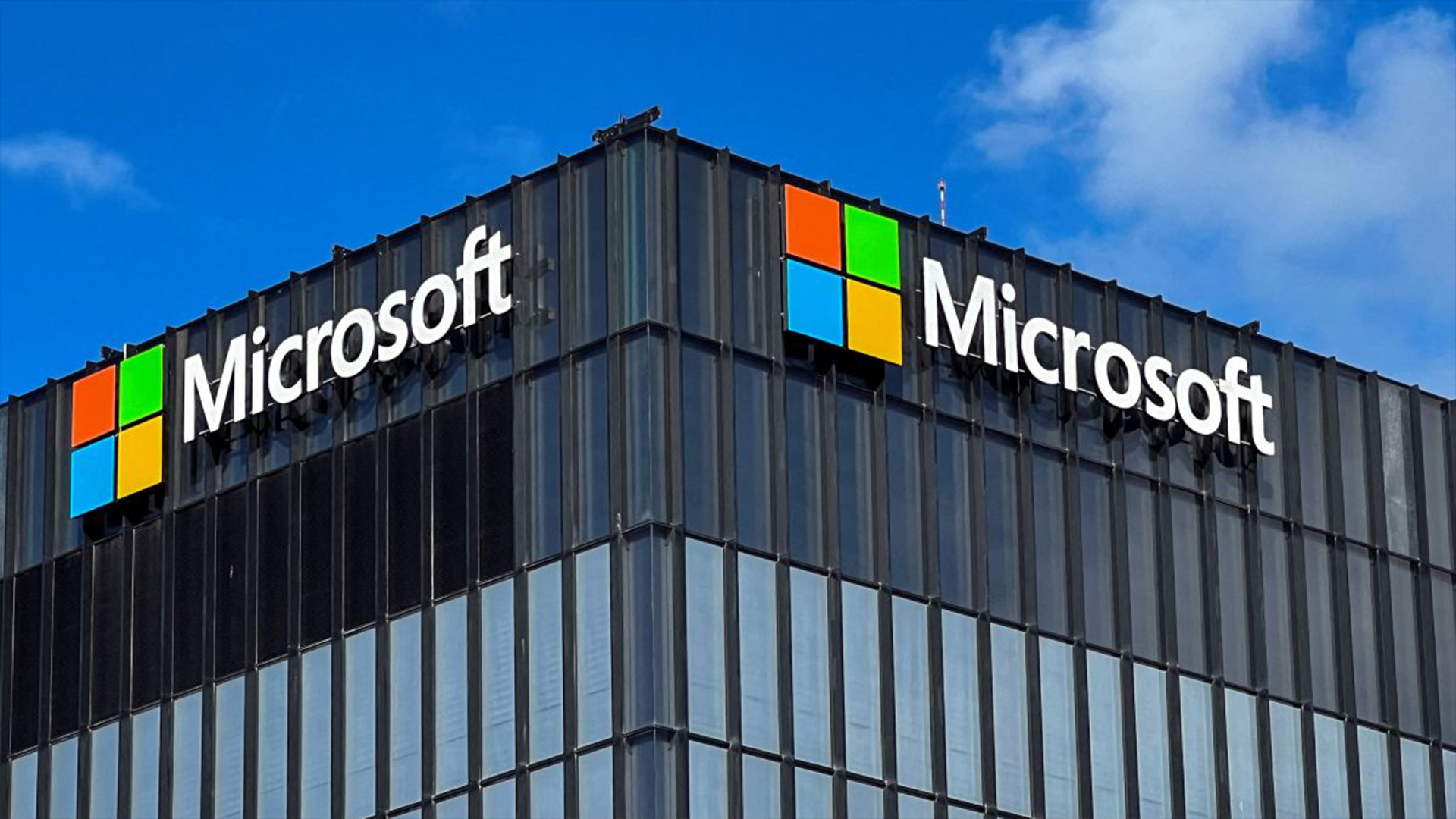
Microsoft and G42 to Add 200 MW of Data Center Capacity in $15 Billion UAE Investment Push

Microsoft and Abu Dhabi’s G42 announced plans on Wednesday to expand data center capacity in the United Arab Emirates by 200 megawatts, marking a major milestone in the U.S. tech giant’s $15 billion investment drive across the Gulf region.

The new capacity will be delivered through Khazna Data Centers, a G42 subsidiary, and is expected to begin operations before the end of next year, the companies said in a joint statement. The project forms part of a sweeping effort to transform the UAE into a global hub for artificial intelligence and cloud computing.

Microsoft said its total investment in the UAE will reach $7.3 billion between 2023 and the end of 2025, with another $7.9 billion planned for 2026 through 2029. The expansion underscores the deepening ties between the company and G42, following Microsoft’s $1.5 billion investment last year for a minority stake in the Abu Dhabi-based AI and cloud firm.

G42, backed by Mubadala, Silver Lake, and billionaire Ray Dalio’s family office, has emerged as one of the Middle East’s leading AI players. The UAE government has been channeling billions into the sector to boost economic diversification and technological self-reliance.

The companies also confirmed that the Trump administration has approved exports of Nvidia’s advanced chips for data centers in the Gulf country — a key step in enabling large-scale AI model training and cloud services.

“The expansion strengthens Microsoft Azure’s secure, scalable, and sovereign cloud infrastructure in the UAE,” the firms said.

Quantum Computing Stocks Send Speculators on a Wild Ride as Hype Outpaces Reality

Quantum computing stocks have become Wall Street’s latest obsession — and one of its most unpredictable playgrounds. Companies such as Rigetti Computing, IonQ, D-Wave Quantum, and Quantum Computing Inc. have seen their share prices surge by 100% or more this year as investors chase what some call “the next great technological revolution.”

These firms are racing to commercialize quantum computers — machines that exploit the principles of quantum mechanics to solve problems far beyond the reach of today’s fastest supercomputers. The potential applications range from cryptography and logistics to drug discovery and financial modeling.

“It feels like science fiction has suddenly become a near-term reality,” said Sylvia Jablonski, CIO of Defiance ETFs, which runs the Defiance Quantum fund. Yet, analysts warn that enthusiasm may be running far ahead of fundamentals. Rigetti shares, for instance, have skyrocketed from just over $1 to as high as $58 this year, trading at more than 1,000 times the company’s sales.

“It’s a magic act,” said Christopher Poch of Promethium Advisors. “How else do you explain a company with a $13 billion valuation but only $22 million in forecast revenue?”

Despite the eye-popping numbers, most quantum firms remain unprofitable. Some, like Rigetti, have posted paper profits from changes in the value of securities, not from operations. Analysts say valuations in the “Quantum 4” — Rigetti, IonQ, D-Wave, and Quantum Computing Inc. — are now more art than science.

Still, optimism remains high. Major financial players such as JPMorgan Chase and HSBC have begun investing in quantum-based systems, and McKinsey projects the global quantum market could exceed $100 billion. But as Neuberger Berman’s Rick Bradt cautioned, “The promise is undeniable — but the timing remains deeply uncertain.”

Apple Forecasts Strong Holiday Quarter as iPhone 17 Demand Surges

e CEO Tim Cook announced forecasts for the company’s upcoming holiday quarter that surpass Wall Street expectations, driven by robust demand for the new iPhone 17 lineup despite ongoing supply challenges. Cook expects iPhone sales to grow by double digits year-over-year and total revenue to rise between 10% and 12% in Apple’s fiscal first quarter of 2026.

The company’s previous quarter saw iPhone sales fall short of projections due to shipping delays and supply constraints, particularly in China, where the launch of the ultra-thin iPhone Air was delayed. However, the shortfall was offset by strong sales in other product categories, such as AirPods featuring AI-powered translation capabilities.

Apple’s quarterly revenue reached $102.47 billion with profits of $1.85 per share, beating Wall Street’s expectations. Shares rose 3.7% in after-hours trading following the announcement.

Cook said supply constraints on several iPhone 17 models persist, but the company is working rapidly to fulfill orders. “It’s a good problem to have,” he remarked, emphasizing Apple’s confidence in returning to growth in China during the next quarter.

The company’s broader strategy focuses on integrating advanced AI features into its ecosystem. While rivals have surged ahead in AI, Cook confirmed that Apple is making “good progress” on major Siri upgrades expected next year. With its new iPhone Air, enhanced Pro models, and strong holiday demand, Apple is poised for one of its most profitable quarters yet.