Yazılar

Spotify Founder Daniel Ek Shifts Focus from Music to European Tech “Moonshots”

When Daniel Ek launched Spotify in 2006, the music world was in turmoil — piracy was rampant, CD sales were collapsing, and even Apple’s iTunes was struggling to convince listeners to pay per song. Ek, a 23-year-old coder from Stockholm, bet on a radical idea: that streaming, not downloading, would save the industry. Nearly two decades later, Spotify is used by almost 750 million people worldwide, valued at $140 billion, and credited with reshaping how the world listens to music.

Now, Ek says it’s time for his next act. The entrepreneur, who will step down as Spotify’s CEO in 2026, told Reuters that he wants to devote himself to deep technology, AI, and health innovation — sectors he believes can redefine Europe’s role in global tech.

“Big challenges often appear impossible until someone decides to tackle them,” Ek said. “At Spotify, we started with what felt like an impossible idea. Nearly 20 years later, what once looked unreasonable is now obvious.”

Ek plans to focus on early-stage European startups through his investment firm Prima Materia, pledging €1 billion ($1.18 billion) of his personal wealth to fund what he calls “moonshot projects” — companies tackling major problems like climate change, healthcare, and artificial intelligence.

TECH ENTREPRENEUR TURNED HEALTH AND DEFENCE INVESTOR

Ek already has a foothold in those areas. In 2018, he co-founded Neko Health, a preventive health-tech firm focused on early detection through AI scanning systems. The company has raised $325 million to date.

He has also invested in Helsing, Europe’s largest defence startup, valued at $12 billion after securing over $1 billion in funding to develop AI-controlled military systems. Helsing says its technology is used for defence purposes in Ukraine and Europe, not for offensive warfare.

The Helsing investment has stirred controversy in the music world. Bands such as Massive Attack and King Gizzard & the Lizard Wizard have removed their music from Spotify, saying Ek’s involvement in war technology undermines the platform’s artistic mission.

“Music and weapons are not a good mix,” said Simon Dyson, analyst at Omdia, adding that the backlash could become “a distraction” for Spotify’s brand.

Spotify declined to comment directly on Ek’s defence investments.

FROM CODER TO INDUSTRY DISRUPTOR

Raised in a Stockholm suburb, Ek began coding in his teens and built several startups before teaming up with Martin Lorentzon to found Spotify. His model — a mix of paid subscriptions and ad-supported streaming — lured users away from piracy and reshaped the global music economy.

Under Ek’s leadership, Spotify became not just a streaming service but a cultural platform: algorithmic playlists created overnight stars, podcasts expanded the company’s reach, and its subscription model became a blueprint for digital media worldwide.

Ek’s influence extends beyond business. Supporters hail him as the visionary who saved the music industry; critics argue that Spotify’s economics still favor major labels over independent artists. But few dispute his impact.

LOOKING BEYOND SPOTIFY

Ek, now 42, says he will remain executive chair of Spotify, guiding strategy while pursuing his new ventures.

“My co-founder likes to say that the value of a company is the sum of all problems solved,” he said. “Progress often comes from those willing to go against conventional wisdom.”

For the man who turned music into a utility, the next challenge is to turn Europe into a hub for world-changing technology — and perhaps create another “impossible idea” that becomes obvious in hindsight.
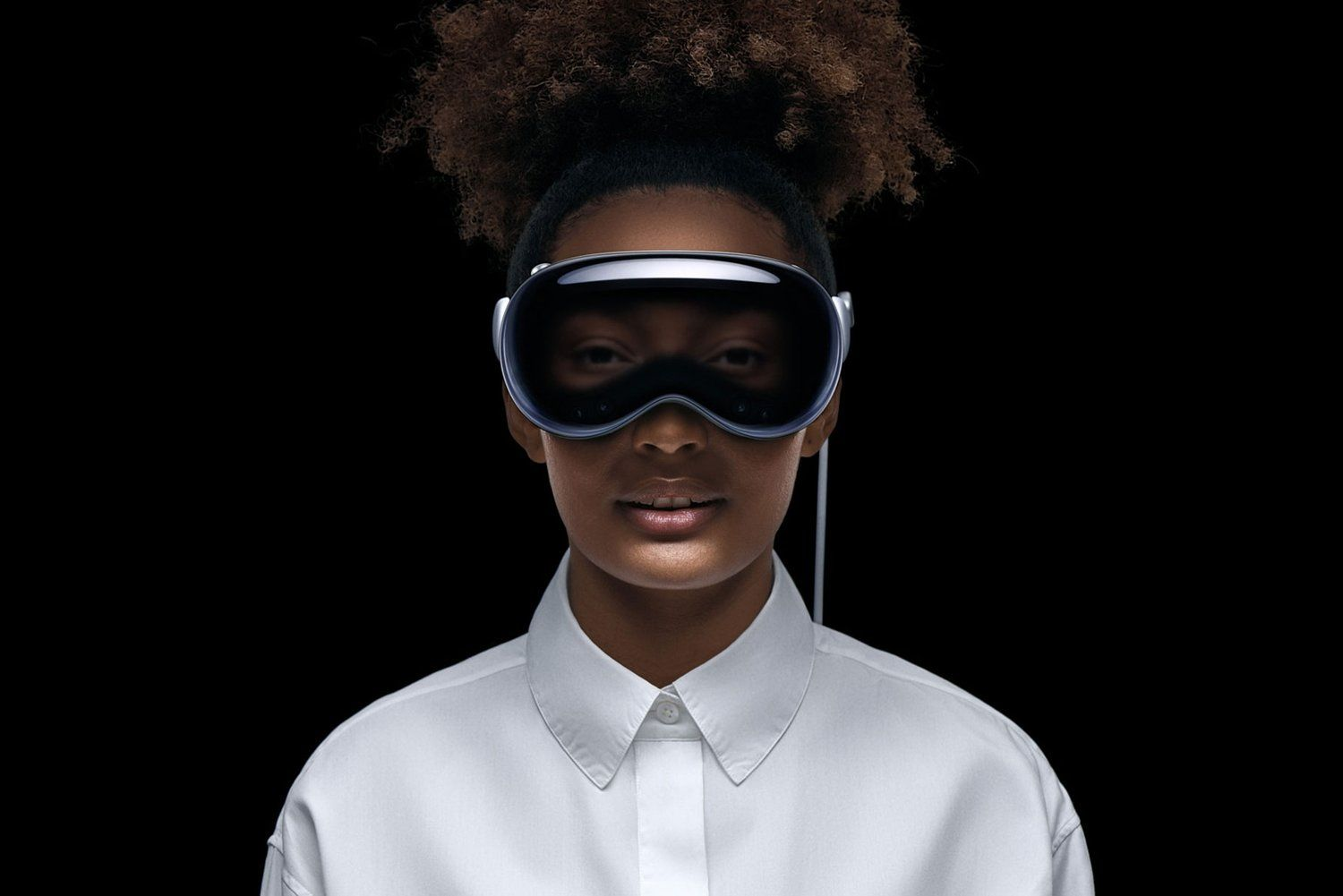
Apple Halts Vision Pro Overhaul to Focus on AI-Powered Smart Glasses

Apple has paused development of its next-generation Vision Pro headset to redirect resources toward the creation of artificial intelligence-powered smart glasses, according to a report by Bloomberg News citing people familiar with the matter.

The company had been working on a cheaper and lighter version of its $3,499 Vision Pro — code-named N100 — with a tentative release window in 2027. However, Apple reportedly told employees last week that development teams will now shift their focus to an AI glasses project, accelerating its timeline to compete directly with Meta Platforms’ smart eyewear.

The decision reflects Apple’s changing strategy in the face of slowing Vision Pro sales. The mixed-reality headset, launched in February 2024, received strong initial attention but quickly lost momentum amid limited mainstream content and competition from more affordable alternatives like Meta’s Quest series.

TWO NEW GLASSES MODELS IN DEVELOPMENT

Apple is said to be working on two distinct smart glasses models:

  • N50, the first version, will connect to an iPhone and will not include a display. Apple aims to unveil this model as early as next year, with a public release planned for 2027.

  • A second, more advanced model — equipped with a built-in display — is now being fast-tracked for release around 2028, according to Bloomberg’s sources.

The advanced model is seen as Apple’s answer to Meta’s Ray-Ban Display glasses, which CEO Mark Zuckerberg showcased in September along with a new Oakley-branded “Vanguard” model designed for athletes.

Apple’s upcoming glasses will reportedly emphasize voice control and AI-driven functions, integrating tightly with iPhone services and Apple’s growing ecosystem of on-device intelligence.

SHIFTING STRATEGY IN THE AI ERA

The move highlights Apple’s broader push to catch up in artificial intelligence, an area where competitors such as Google and Meta have been more aggressive.

At Apple’s September product launch event, the company introduced new iPhones and a slimmer iPhone Air, but industry analysts noted the absence of major AI announcements, raising questions about Apple’s roadmap in the rapidly evolving AI market.

By contrast, Google’s Gemini-powered Pixel phones and Meta’s AI-integrated wearables have taken the spotlight in the consumer AI space.

When contacted by Reuters, Apple declined to comment on the report.

If the timeline holds, Apple’s shift could mark a major strategic pivot from mixed reality to wearable AI, positioning its smart glasses as a potential successor — not just a companion — to the iPhone.

Germany Turns to AI and Deregulation to Revive Its Struggling Economy

Germany’s Chancellor Friedrich Merz unveiled an ambitious plan on Wednesday to streamline bureaucracy, embrace artificial intelligence, and accelerate digitalization in an effort to restore the country’s economic strength after two years of contraction.

Speaking at the Borsig Palace in Berlin, Merz said the new measures mark a decisive shift toward modernization.
“We are, of course, aware of the problems facing the German economy at the moment,” he said, “but we aspire to return to the top.”

FROM FISCAL RESTRAINT TO INVESTMENT

Merz’s government has already broken with Germany’s long-standing tradition of fiscal restraint, approving a €500 billion infrastructure and defense package to stimulate growth in the only G7 economy that has shrunk over the past two years.

The new “Modernisation Agenda,” approved by the cabinet on Wednesday, outlines 23 priority projects aimed at cutting red tape, fostering innovation, and improving public services.

23 PROJECTS TO BOOST EFFICIENCY

Among the key reforms are:

  • A centralized digital vehicle registration system for faster processing.

  • A 24-hour business registration platform to simplify company formation.

  • AI tools for legal and visa verification procedures to speed up administration.

  • A faster process for recognizing foreign medical qualifications, to help fill gaps in healthcare staffing.

  • A new digital immigration agency to attract and integrate skilled foreign workers into the labor market.

Merz said the package will now be presented to the Bundestag, Germany’s lower house of parliament. “We are going to the German Bundestag with very concrete legislative proposals,” he added.

SAVINGS AND GROWTH TARGETS

Germany’s Ifo Institute estimated last year that excessive bureaucracy costs the country €150 billion annually in lost productivity. The government’s goal is to cut bureaucratic requirements by 25%, generating €16 billion in annual savings.

The government aims to fast-track the legislation through the upper house (Bundesrat) before its final session in December.

ENERGY AND TECHNOLOGY INITIATIVES

The cabinet also approved funding of €1.7 billion for the construction of a nuclear fusion reactor, marking Germany’s renewed push into cutting-edge clean energy research.
Additionally, a draft law to accelerate hydrogen infrastructure development by removing regulatory bottlenecks was given the green light.

Together, the measures reflect a major pivot toward technology, energy innovation, and pro-business reforms, signaling Merz’s determination to pull Europe’s largest economy out of stagnation through AI, science, and structural modernization.