Yazılar

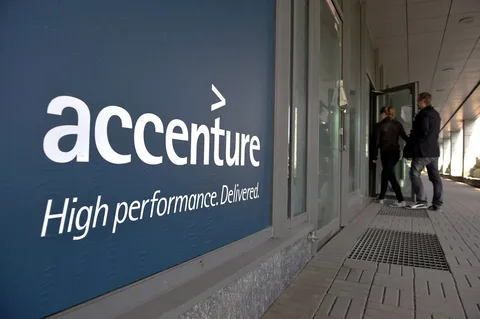
Accenture Tops Revenue Estimates, Launches $865 Million Restructuring Amid AI Push

Accenture reported stronger-than-expected fourth-quarter revenue on Thursday and announced a $865 million restructuring program to better align its workforce and operations with rising demand for digital and AI services.

The restructuring, set to run over six months, includes severance costs and selective divestitures, with savings to be reinvested into staff training and operational efficiency. The company recorded $615 million in charges in the fourth quarter and expects another $250 million in the November quarter.

Analysts said the plan underscores both the challenges and opportunities of the AI transition. “Accenture has a strong reskilling operation internally,” said CFRA analyst Brooks Idlet, noting the company’s focus on shifting resources toward higher-demand areas.

The Dublin-based consulting giant emphasized that it will continue hiring while phasing out roles tied to outdated skills. Its new talent strategy includes upskilling employees and using AI to improve productivity.

Accenture also faces challenges from U.S. policy shifts. President Donald Trump this month announced a $100,000 one-time fee for H-1B visas, a move that could increase labor costs for IT and consulting firms. Accenture had approvals for 1,568 H-1B beneficiaries in the first half of the year, placing it among the top 25 U.S. employers in the program. However, CEO Julie Sweet said the impact will be limited since only about 5% of its U.S. workforce is on such visas.

Other headwinds included delays and cancellations in U.S. federal contracts, which made up 8% of revenue in 2024 and trimmed growth this year by about 20 basis points.

Still, demand remains solid. Accenture booked $21.3 billion in new contracts in the quarter, a key indicator of future revenue. The company posted $17.6 billion in revenue, beating analyst estimates of $17.36 billion.

Looking ahead, Accenture forecasts full-year 2026 revenue growth of 2% to 5%, slightly below Wall Street’s expectation of 5.3%, according to LSEG data.

Alibaba Shares Surge on Nvidia Partnership and Global AI Expansion

Alibaba announced on Wednesday a sweeping set of initiatives, including a partnership with Nvidia, new global data centers, and its largest-ever AI products, underscoring its pivot to make artificial intelligence a central business priority alongside e-commerce.

The news sent Alibaba’s Hong Kong-listed shares up nearly 10% to a four-year high, while its U.S.-listed shares also rose by a similar margin in premarket trading.

“The speed of AI industry development has far exceeded our expectations, and the industry’s demand for AI infrastructure has also far exceeded our expectations,” Alibaba CEO Eddie Wu said at the company’s annual Apsara Conference. He added that spending on AI will be increased, though without specifying figures. Earlier this year, Alibaba pledged 380 billion yuan ($53 billion) for AI infrastructure investments over three years.

As part of its strategy, Alibaba will collaborate with Nvidia to enhance physical AI capabilities including data synthesis, model training, environmental simulation, and validation testing.

The company also unveiled an ambitious global data center expansion plan, announcing facilities in Brazil, France, and the Netherlands, with more to follow in Mexico, Japan, South Korea, Malaysia, and Dubai within the next year. This will add to Alibaba’s current network of 91 data centers across 29 regions. The company did not specify whether Nvidia chips would power these new facilities.

At the same event, Alibaba launched its most advanced AI language model to date, Qwen3-Max, boasting over 1 trillion parameters. According to CTO Zhou Jingren, the model demonstrates strong performance in code generation and autonomous agent capabilities, allowing the AI to act more independently toward user-defined goals compared to traditional chatbots like ChatGPT.

Benchmark tests such as Tau2-Bench reportedly show Qwen3-Max outperforming competitors including Anthropic’s Claude and DeepSeek-V3.1 in specific categories.

Additional AI products showcased included Qwen3-Omni, a multimodal system designed for immersive applications in virtual and augmented reality, with potential use cases in smart glasses and intelligent vehicle cockpits.

The announcements come shortly after Nvidia revealed a $100 billion investment deal with OpenAI, highlighting the intensifying race in AI infrastructure.

Alibaba’s cloud division, which reported 26% revenue growth last quarter, is emerging as a key growth driver as the company monetizes its AI services more aggressively.

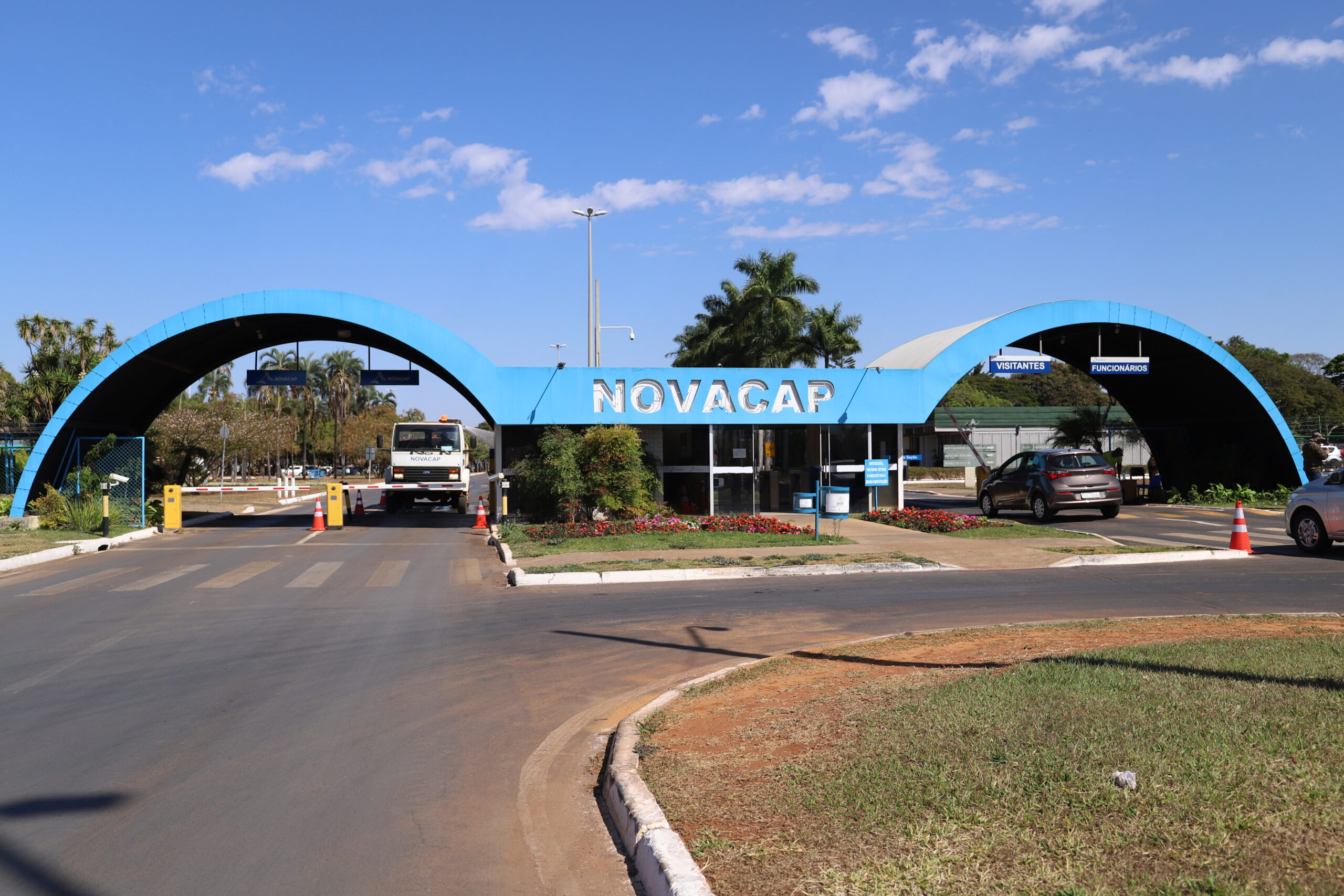
Novacap to Acquire Integral Ad Science in $1.9 Billion Deal

Private equity firm Novacap will acquire Integral Ad Science (IAS) in a deal that values the digital advertising verification company at roughly $1.9 billion, IAS announced on Wednesday.

Novacap, which manages more than $10 billion in assets, will purchase all outstanding IAS shares for $10.30 each in cash. The offer represents a premium of about 22% over the company’s last closing price. IAS shares jumped around 20% in premarket trading following the news.

The transaction, expected to close by year’s end, reflects a broader trend of private equity firms buying up software and technology companies amid rising bets that artificial intelligence will fuel significant growth.

Other major firms, such as Thoma Bravo, have also been active in recent months, acquiring companies including Verint Systems, a customer engagement platform, and HR software provider Dayforce.

IAS specializes in ad verification, fraud detection, and optimization services for brands and agencies, helping ensure that digital campaigns are both effective and accurately targeted. Once the acquisition is complete, IAS will transition into a privately held company.