Yazılar

Indonesia’s Sovereign Wealth Fund Explores Stake in Grab-GoTo Merger

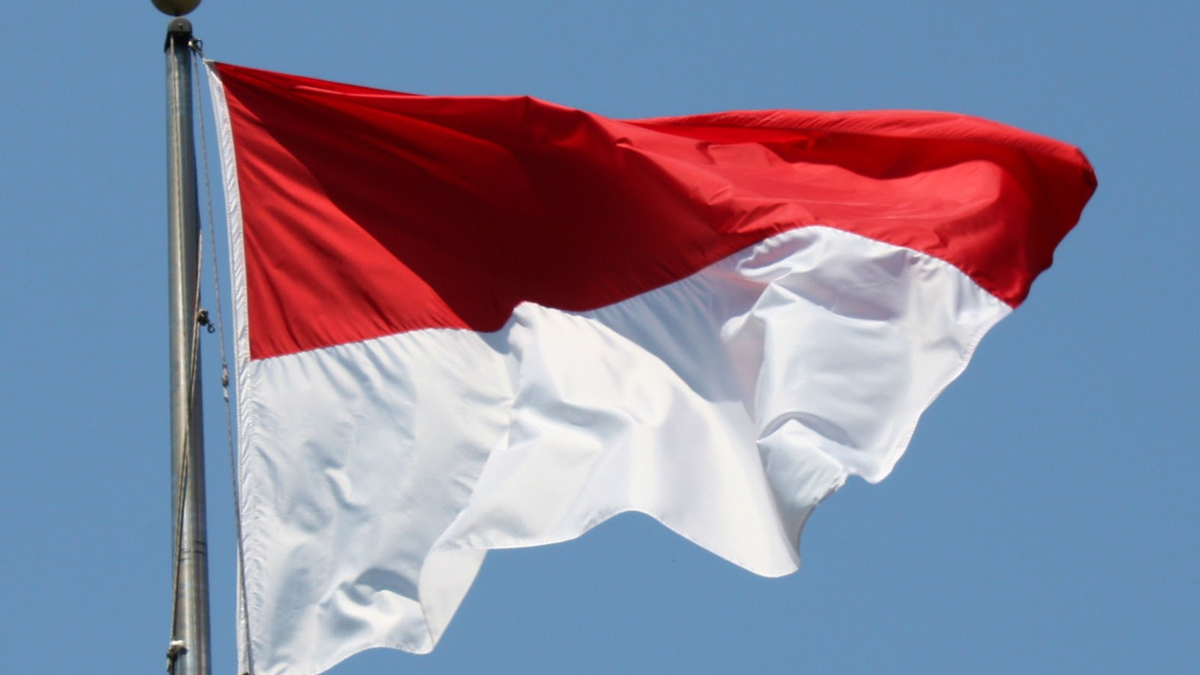
Indonesia’s newly established sovereign wealth fund, Danantara Indonesia, is reportedly in early discussions to acquire a minority stake in the potential combined entity formed by ride-hailing and food delivery rivals Grab and GoTo. According to a Bloomberg News report on Friday, the move aims to alleviate concerns within the Indonesian government over Singapore-headquartered Grab’s ownership of the country’s largest tech company.

The deal, which is still in the negotiation phase, could see Grab valuing GoTo at approximately $7 billion. Grab is targeting a deal closure within the second quarter, though recent progress has slowed amid regulatory reviews by Indonesia’s antitrust authority. The regulator began studying potential risks associated with the merger last month to ensure fair competition and address any national security concerns.

Danantara Indonesia, launched in February, serves as Indonesia’s sovereign wealth vehicle and is designed to invest in strategic sectors including metal processing and artificial intelligence. The fund consolidates government stakes in various state-owned enterprises and is modeled after Singapore’s Temasek Holdings, aiming to foster national economic growth and technological advancement.

Neither Grab, GoTo, nor Danantara Indonesia have commented on the talks, but sources close to the matter indicate the discussions continue as stakeholders work through regulatory hurdles.

If completed, the transaction would mark a significant consolidation in Southeast Asia’s tech landscape, potentially strengthening Indonesia’s influence in the regional digital economy while balancing foreign ownership concerns.

Trump-Musk Rift Raises Regulatory Risks for Elon Musk’s Business Empire

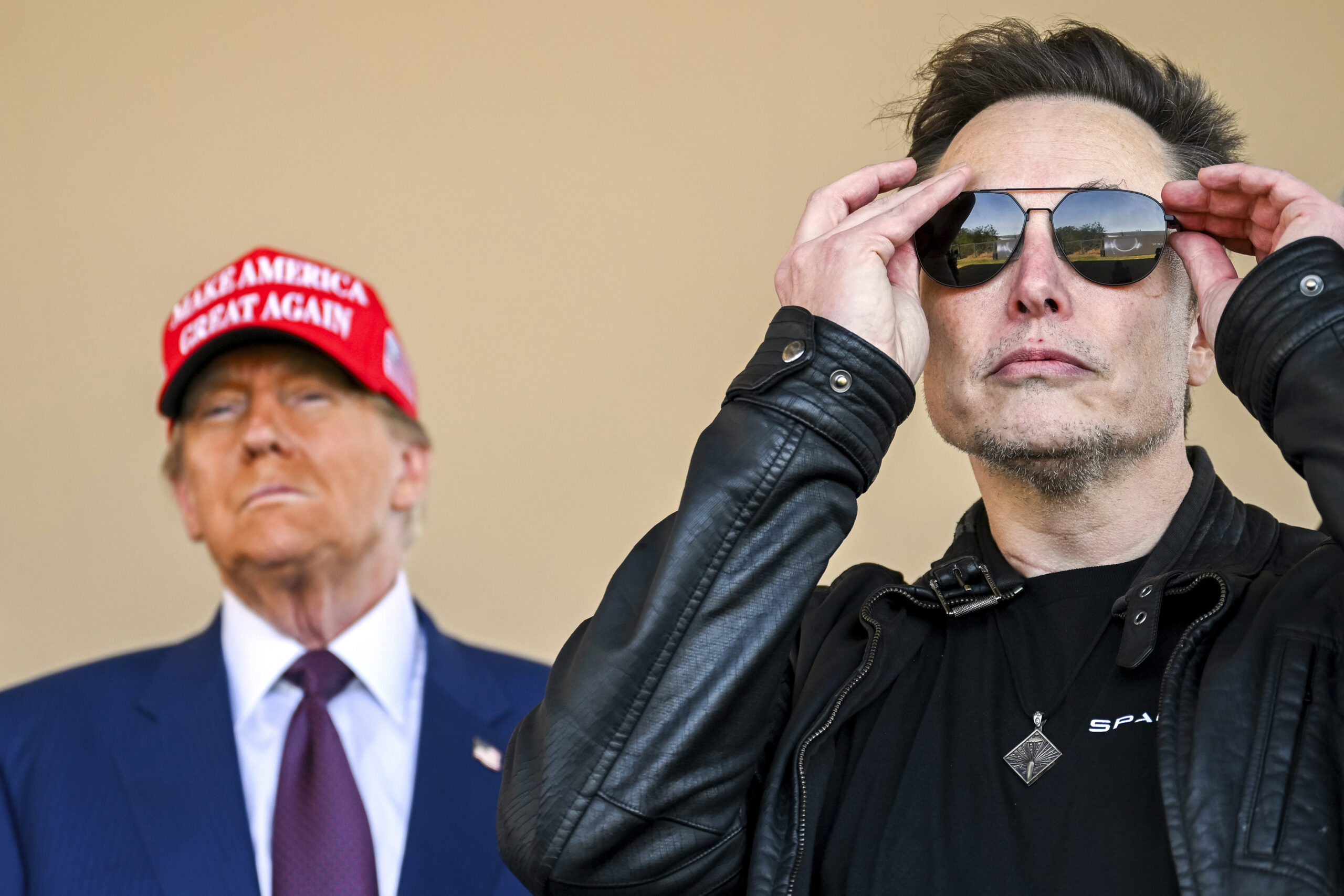
Elon Musk’s deteriorating political relationship with former President Donald Trump may expose his vast business empire to heightened regulatory scrutiny across multiple U.S. agencies. As political tensions escalate, the risk that regulators may more aggressively oversee Musk’s various companies has become a growing concern. Below is an overview of the key U.S. regulators with authority over Musk’s enterprises, and the potential challenges ahead:

Federal Communications Commission (FCC)
The FCC oversees the allocation of spectrum critical to SpaceX’s Starlink satellite internet service. In April, the FCC launched a review of its longstanding spectrum sharing rules, potentially affecting SpaceX’s access to expanded frequencies necessary to enhance its coverage. While the review aims to modernize spectrum usage, it may also result in stricter rules or delays for SpaceX, depending on the political climate and regulatory stance.

Food and Drug Administration (FDA)
The FDA regulates clinical trials for Neuralink, Musk’s brain implant company. While Neuralink has secured FDA approval for initial human trials, earlier safety concerns cited by the agency in 2023 remain relevant as trials progress. Any missteps or adverse events in ongoing studies could prompt the FDA to halt or delay the company’s development timeline.

Environmental Protection Agency (EPA)
SpaceX’s Starbase launch facility in Texas falls under the EPA’s jurisdiction for environmental compliance, particularly regarding wastewater discharge and environmental impact assessments under the National Environmental Policy Act. Rocket launches and tests, which have included multiple explosions, may invite further scrutiny, particularly if environmental groups or political adversaries exert pressure on federal agencies.

National Highway Traffic Safety Administration (NHTSA)
Tesla’s Full Self-Driving (FSD) technology remains under active investigation by NHTSA, especially regarding its performance under poor visibility conditions. The agency recently requested detailed information on Tesla’s robotaxi service set to launch in Austin, Texas, this month. Any regulatory findings could impact Tesla’s ability to scale its self-driving services.

Federal Aviation Administration (FAA)
The FAA proposed a $633,000 fine against SpaceX last year for license violations during launches. With ongoing investigations and the potential for future launch failures, the FAA holds significant leverage over SpaceX’s launch schedule and licensing requirements.

Securities and Exchange Commission (SEC)
Musk continues to face legal battles with the SEC, including litigation related to his 2022 acquisition of Twitter (now X). The regulator is also reportedly investigating Neuralink, raising additional legal exposure. Any adverse findings could impact Musk personally as well as his companies’ access to capital markets.

Federal Trade Commission (FTC)
The FTC oversees data privacy and antitrust compliance for social media platforms, including X. The agency is currently investigating whether certain media watchdog groups coordinated advertiser boycotts of X, a situation Musk claims is anti-competitive. The FTC’s broader mandate to protect consumer privacy could result in further investigations, particularly regarding data protection for minors.

Political Climate Raises Stakes
While these agencies have long held authority over Musk’s operations, his prior friendly ties to Trump may have provided a degree of political insulation. The recent breakdown in their relationship removes that buffer, potentially leaving Musk more exposed to adversarial regulatory action depending on future election outcomes and shifting political alliances.

With businesses spanning electric vehicles, space exploration, telecommunications, brain-computer interfaces, and social media, Musk’s cross-sector reach makes him uniquely vulnerable to regulatory actions from multiple federal agencies simultaneously.

Apple Loses Appeal to Delay App Store Antitrust Reforms in Epic Games Case

Apple has failed in its latest attempt to delay a U.S. court order requiring changes to its App Store practices, marking a significant setback in its long-running legal battle with Epic Games. The 9th U.S. Circuit Court of Appeals on Wednesday rejected Apple’s request to pause enforcement of parts of the federal judge’s injunction while it pursues further appeals.

The case stems from Epic Games’ 2020 lawsuit challenging Apple’s control over its iOS App Store and in-app payment system. Epic argued that Apple’s policies stifle competition and allow it to collect excessive fees from app developers.

Court Orders Apple to Open App Store to More Competition

In April, U.S. District Judge Yvonne Gonzalez Rogers found Apple in contempt of her previous injunction and ordered the company to immediately cease several business practices that restricted developers’ ability to direct users to alternative payment options. Among the practices targeted was Apple’s introduction of a 27% fee on developers who facilitate payments outside of the App Store—a fee the judge said was an attempt to sidestep the original injunction.

Additionally, the court barred Apple from restricting where app developers can place links or buttons that lead users to external purchasing platforms.

Epic Games CEO Tim Sweeney celebrated the appeals court decision on social media, stating that the “long national nightmare of the Apple tax is ended.”

Apple Argues for Business Control, Epic Sees New Competition

In its emergency appeal, Apple argued that the ruling strips it of control over “core aspects of its business operations” and unfairly compels the company to give developers free access to its platform services. Apple also expressed disappointment at the appeals court decision but vowed to continue its legal battle.

Epic Games countered that Apple’s actions were aimed at preserving its dominance and maintaining revenue streams that the court had ruled were anti-competitive. Epic claimed that since the injunction was issued, many developers have already introduced better payment systems, improved deals, and expanded choices for consumers, increasing genuine competition on iOS.

Ongoing Legal Risks for Apple

This latest ruling leaves Apple exposed to continued legal and regulatory scrutiny. Judge Gonzalez Rogers previously accused Apple of misleading the court about its compliance efforts and referred both Apple and one of its executives to federal prosecutors for potential criminal contempt charges.

While Apple won most aspects of the original lawsuit in 2021, Gonzalez Rogers did rule that the company must allow developers to inform users about alternative payment options outside of Apple’s in-app purchase system.

The outcome of Apple’s ongoing appeal will likely have significant implications for the future of digital marketplaces and the company’s multibillion-dollar App Store revenue.