Yazılar

Fortnite Returns to Apple App Store in U.S. After Nearly Five-Year Ban

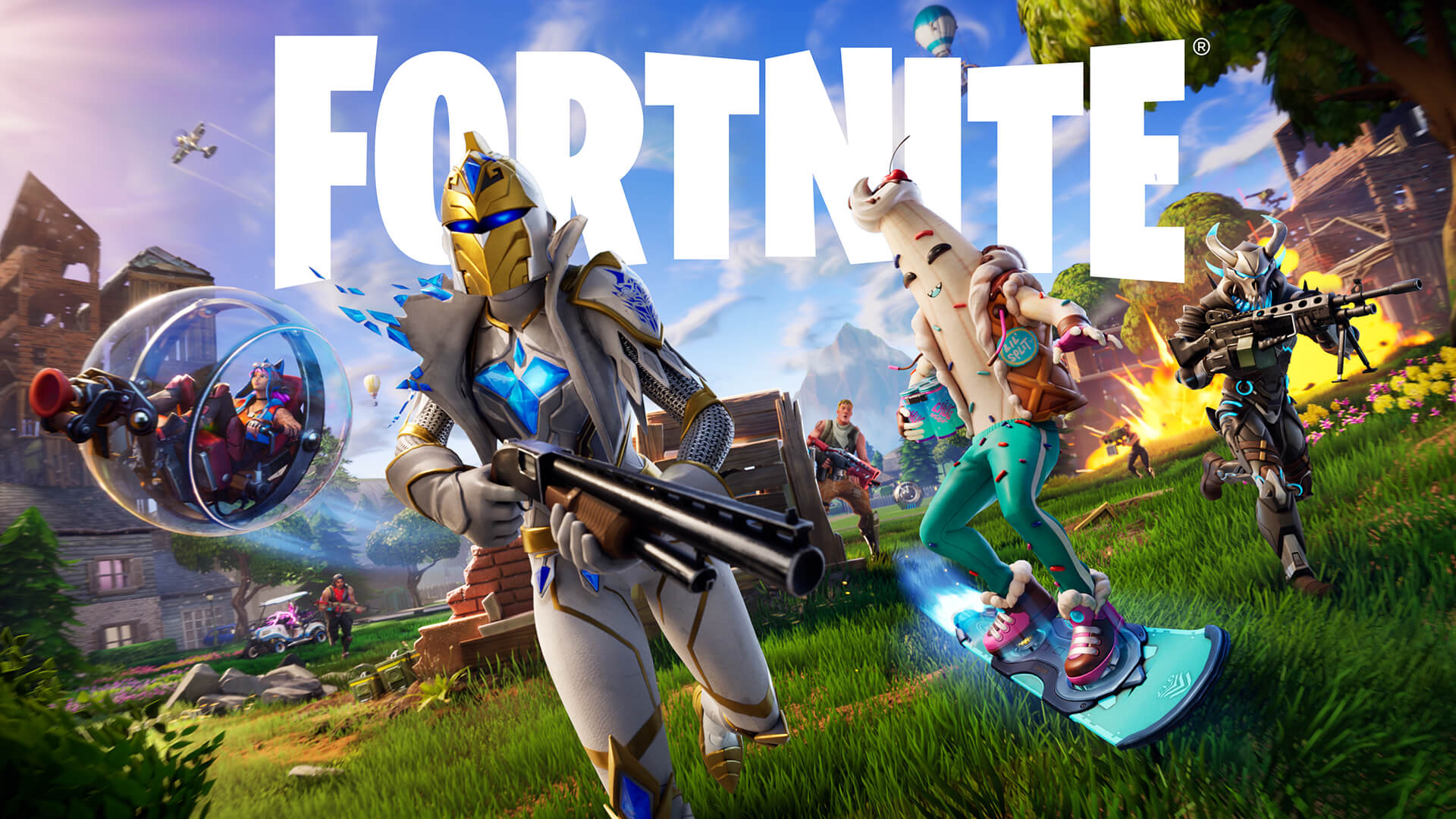
Epic Games’ Fortnite has officially returned to the Apple App Store in the United States, ending a nearly five-year absence triggered by a high-profile legal battle between the video game developer and the iPhone maker. The reinstatement marks a significant legal and strategic victory for Epic Games.

The return follows a federal court ruling on April 30 that found Apple in violation of a prior court order requiring it to enable more open competition in its App Store, particularly in how apps are downloaded and how in-app purchases are processed. The ruling also stated Apple failed to comply with an earlier injunction and would be referred to federal prosecutors for a criminal contempt investigation.

Apple has not publicly commented on the decision or Fortnite’s reappearance. Epic Games CEO Tim Sweeney simply posted: “We back fam” on X (formerly Twitter), signaling the game’s return.

Background: The Legal Dispute

The dispute began in 2020, when Epic attempted to bypass Apple’s up to 30% commission fee by implementing its own payment system within Fortnite. Apple responded by removing Fortnite from its App Store, prompting Epic to file an antitrust lawsuit.

While the case didn’t yield a full victory for Epic initially, recent court decisions have increasingly favored greater developer rights and payment flexibility, with potential implications far beyond gaming.

Implications for the App Ecosystem

At the time of its removal, Fortnite had over 116 million users on Apple devices alone. Its return, though symbolically important, may not fully recapture its previous popularity.

“This was a hard-fought win that carried a very steep price and may be too late to boost Fortnite, now past its prime,” said Gil Luria, analyst at D.A. Davidson.

However, the broader impact could be more significant. Michael Ashley Schulman, CIO at Running Point Capital Advisors, said the ruling opens the door for subscription-based platforms like Spotify and Netflix to improve their margins and for smaller developers to bypass Apple’s transaction fees altogether. This could lead to a reshaping of iOS economics over the next 12–18 months.

Current Availability

Fortnite is already available on Android devices and iPhones in the European Union, where digital market regulations have forced more openness. In addition to Apple’s App Store, Fortnite is also accessible via the Epic Games Store and AltStore in the EU.

The game’s return to U.S. iPhones signifies not just a platform comeback, but also a critical turning point in the ongoing debate over digital platform control, developer rights, and app store economics.

Apple’s AI-Powered Safari Search Plans Challenge Google’s Online Dominance

Apple’s move to introduce AI-powered search options in its Safari browser is emerging as a significant challenge to Google’s dominance in online search, with major implications for the tech and digital advertising landscape.

According to reports, Apple is “actively looking at” overhauling Safari by integrating new AI-based search alternatives such as OpenAI and Perplexity AI. This strategy directly targets Google, whose lucrative advertising business heavily depends on iPhone users searching via Safari — a privilege for which it reportedly pays Apple about $20 billion annually.

The development rattled investors, sending shares of Google-parent Alphabet (GOOGL) down 7.3% and erasing nearly $150 billion from its market valuation. Apple’s own stock dipped 1.1% on the same day.

Apple executive Eddy Cue testified during an antitrust case against Google that search activity on Safari had declined last month for the first time, as more users began relying on AI tools for information. This trend, if sustained, could mark a fundamental shift in consumer behavior — away from traditional keyword search engines and toward conversational AI and generative search technologies.

Google responded by asserting it continues to see growth in total search queries, including those from Apple devices, attributing the increase to tools like voice and visual search and newer features like “AI Overviews” that summarize results at the top of the search page. The company also plans to integrate its Gemini AI model into Apple devices through a potential deal expected by mid-2025.

Still, analysts warn that the end of Google’s default search position on Safari could have serious repercussions. Gil Luria of D.A. Davidson noted that if advertisers begin shifting budgets to competing AI-driven search engines, Google’s market share and revenue could suffer substantially.

Meanwhile, platforms like ChatGPT and Perplexity are gaining traction rapidly. ChatGPT, for instance, logged over 1 billion weekly searches in April and reported more than 400 million weekly active users in February.

The U.S. Department of Justice, which has filed multiple antitrust suits against Google, proposes banning exclusive deals like the one between Apple and Google as part of broader efforts to increase competition in the search market.

As generative AI reshapes how people seek and consume information, Apple’s Safari updates could open the door to a new era of search — one where Google is no longer the default.

Microsoft Wins Appeal Against FTC Challenge to $69 Billion Activision Deal

Microsoft has secured a major legal victory as the 9th U.S. Circuit Court of Appeals rejected the Federal Trade Commission’s (FTC) bid to revive its antitrust challenge against the tech giant’s $69 billion acquisition of Activision Blizzard, maker of the Call of Duty franchise.

Key Points:

  • Unanimous Ruling: A three-judge panel upheld a lower court decision that denied the FTC’s request for a preliminary injunction. The court found that the FTC failed to demonstrate that the deal would likely harm competition.

  • Deal Closed in 2023: Microsoft finalized the largest-ever gaming acquisition after gaining approvals from regulators including UK authorities, despite scrutiny in multiple global jurisdictions.

  • FTC’s Position: The FTC argued the acquisition would undermine competition in console gaming, subscription services, and cloud gaming, but both the district court and appeals court found these claims lacked sufficient evidence.

  • Impact on FTC Strategy: The ruling is a blow to the FTC’s broader push under President Joe Biden’s administration to ramp up antitrust enforcement in Big Tech. The FTC’s internal administrative proceedings, paused since 2023, remain uncertain.

  • Microsoft’s Next Steps: While Microsoft has not yet commented, the ruling removes a significant legal obstacle and further solidifies its control over Activision’s gaming titles and intellectual property.

Judge Jacqueline Scott Corley had already ruled in 2023 that the acquisition would not “substantially lessen competition,” a standard the appellate court agreed had been correctly applied.