Yazılar

Northern Taurid Meteor Shower Peaks, Offering Chance to See Brilliant Fireballs

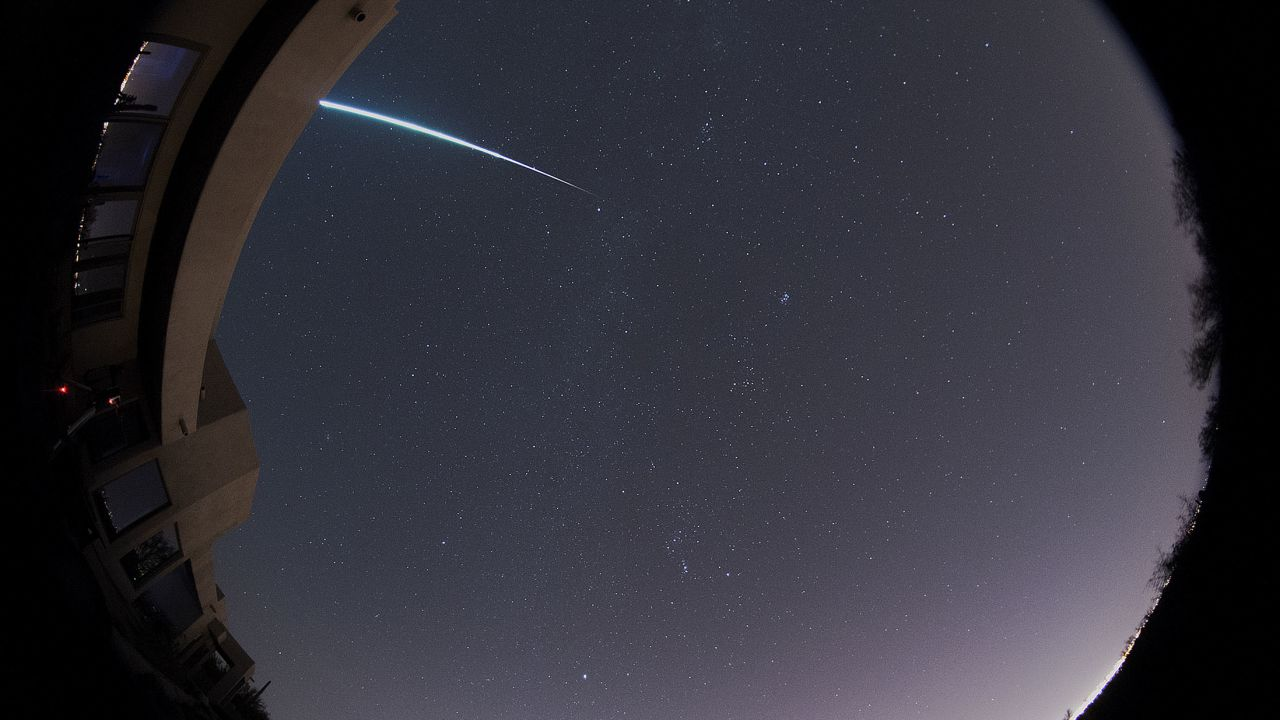
Sky-watchers have another opportunity to view dazzling fireballs as the Northern Taurid meteor shower reaches its peak. The event, which began in mid-October, will be most visible from late Monday night into Tuesday, with the best time for sightings expected after midnight, according to NASA.

The Northern Taurids radiate from the Taurus constellation and are visible worldwide, except in Antarctica, noted Dr. Shannon Schmoll, director of Abrams Planetarium at Michigan State University. However, a 79% full moon may make it difficult to spot meteors in the earlier evening hours, the American Meteor Society (AMS) cautioned. Schmoll advises waiting until the moon is closer to setting for a clearer view, suggesting viewers find a dark area, get comfortable, and remain patient.

The Northern Taurids are generated by debris from Comet Encke, which completes a full orbit around the sun in just 3.3 years—the shortest known cometary orbit. Unlike major meteor showers, the Northern Taurids produce fewer meteors (around five per hour) but offer an elevated chance to witness spectacular fireballs. These larger meteors, sometimes as bright as Venus, can create striking visual trails that linger after the meteor has passed, known as “trains” or smoke trails.

Schmoll encourages viewers to take in the celestial display, noting that meteor showers help foster a connection with the natural world. Beyond their visual appeal, these showers offer astronomers and enthusiasts new insights into our solar system’s history and formation.

The Northern Taurids will remain active until December 2, providing continued chances to catch fireballs lighting up the night sky.

Upcoming Celestial Events

  • Meteor Showers:
    • Leonids: November 16-17
    • Geminids: December 12-13
    • Ursids: December 21-22
  • Full Moons:
    • Beaver Moon (Supermoon): November 15
    • Cold Moon: December 15

JWST Unveils Solitary Supermassive Black Hole Quasars from the Dawn of the Universe

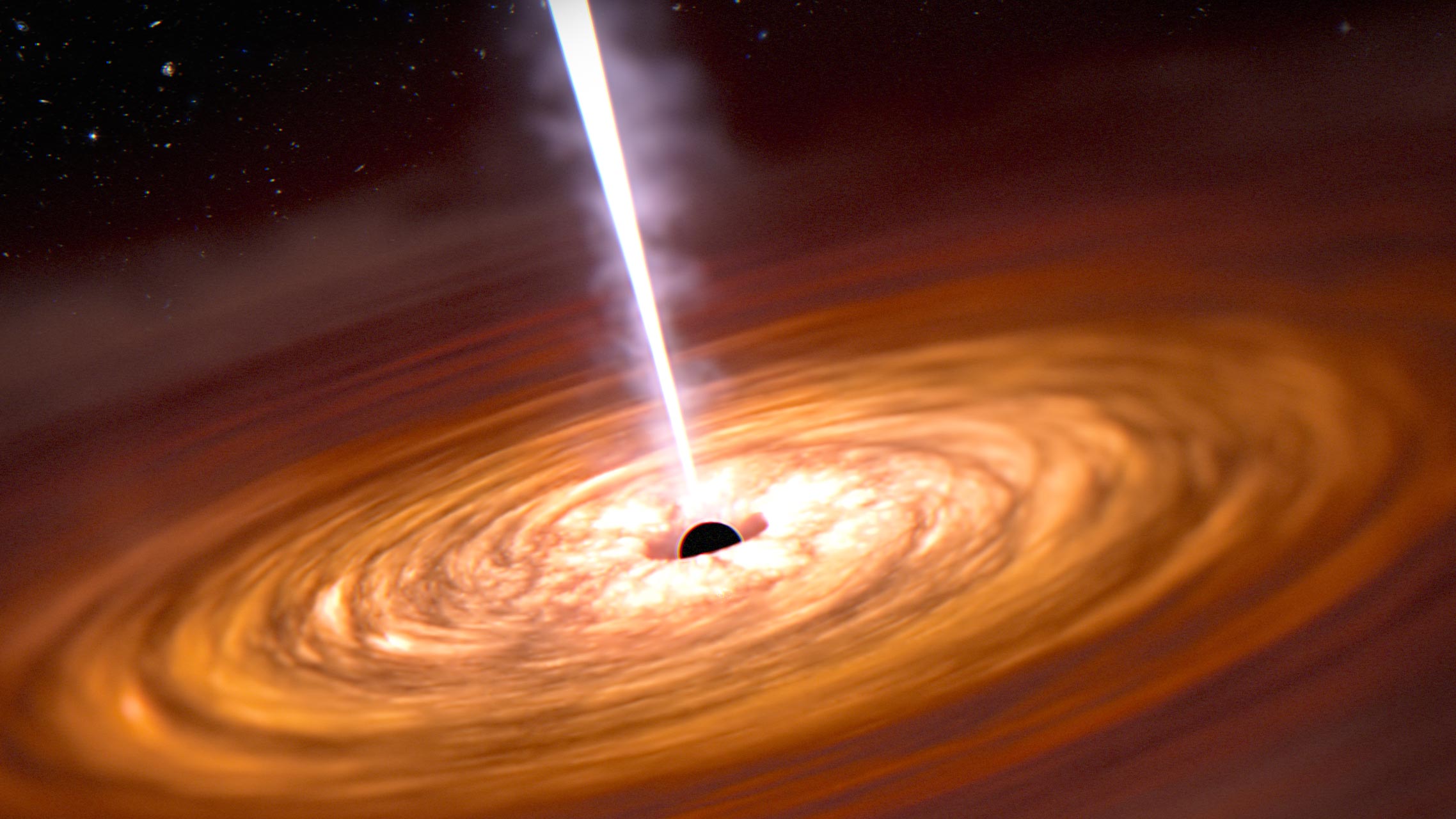
Astronomers have made a puzzling discovery using the James Webb Space Telescope (JWST): supermassive black hole-powered quasars dating back 13 billion years, appearing in isolation. This revelation defies current models, which suggest that black holes require an abundance of surrounding material to rapidly grow. Instead, these quasars seem to exist in nearly barren regions of space, leaving scientists baffled as to how they amassed so much mass so quickly.

A team led by Anna-Christina Eilers, an assistant professor of physics at MIT, examined five of the universe’s earliest known quasars. While some of these quasars were located in dense environments, others were found in nearly empty fields, a surprising discovery. Typically, quasars thrive in regions rich with gas and dust, which black holes use as fuel to grow. Yet, the seemingly isolated quasars observed by JWST challenge this understanding. Eilers expressed the mystery succinctly: “It’s difficult to explain how these quasars grew so massive if there’s nothing nearby to feed them.”

This unexpected finding has put pressure on existing theories of black hole growth. In today’s universe, supermassive black holes are found at the centers of galaxies, pulling in nearby matter to fuel their growth, which produces the bright emissions seen in quasars. However, the newly identified quasars seem to lack such resources, sparking a debate about whether we need to rethink our understanding of how black holes in the early universe could have become so large in such a short span of time.

Scientists are now faced with a perplexing challenge: coming up with new or revised theories that account for these isolated but rapidly growing quasars. Some ideas propose that perhaps these black holes had an extraordinary initial boost or that unknown mechanisms may have supplied them with matter early on. Whatever the explanation, these observations from JWST are revolutionizing our view of how the cosmos evolved, demonstrating that the formation and growth of black holes might be far more complex than previously believed

New Study Suggests Betelgeuse May Have a Hidden Companion Star

Could Betelgeuse Have a Hidden Companion Star? New Research Suggests So

Betelgeuse, the iconic red supergiant star in the constellation Orion, has long captivated astronomers and stargazers alike. Its remarkable brightness and distinctive reddish hue make it one of the most recognized stars in the night sky. However, recent research has raised an intriguing question: Could Betelgeuse have a companion star that influences its brightness fluctuations? This possibility has sparked significant interest, particularly as Betelgeuse has exhibited unusual dimming patterns that have led to speculation about its potential to go supernova in the near future.

A research team led by Jared Goldberg from the Flatiron Institute’s Center for Computational Astrophysics has proposed a compelling hypothesis. They suggest that an unseen companion star, whimsically dubbed “Betelbuddy,” could play a crucial role in shaping Betelgeuse’s light output. By employing sophisticated computer simulations, the researchers aimed to explore various factors that could account for the star’s erratic brightness. After systematically ruling out other potential explanations, they arrived at the conclusion that a companion star might be the key to understanding Betelgeuse’s peculiar behavior.

Betelgeuse is truly a giant in our cosmos, shining approximately 100,000 times brighter than our Sun and possessing a volume more than 400 million times greater. The researchers theorize that this hypothetical companion star could act as a sort of cosmic “snowplough,” clearing away dust and debris that might otherwise obstruct the light emitted by Betelgeuse. This interaction could lead to periods where Betelgeuse appears exceptionally bright from our vantage point on Earth, contributing to the star’s reputation for unpredictability.

The implications of such a discovery extend beyond just Betelgeuse itself. If proven to have a companion, it would enhance our understanding of binary star systems and the dynamics at play in the evolution of massive stars. As astronomers continue to monitor Betelgeuse’s activity and refine their simulations, they remain hopeful that this research will shed light on the mechanisms behind the star’s brightness variations and contribute to our broader knowledge of stellar life cycles. With each new finding, Betelgeuse continues to surprise and intrigue, reminding us of the complexities and wonders of the universe.