Yazılar

Waymo Targets 2026 Launch of Autonomous Ride-Hailing Service in Washington, D.C.

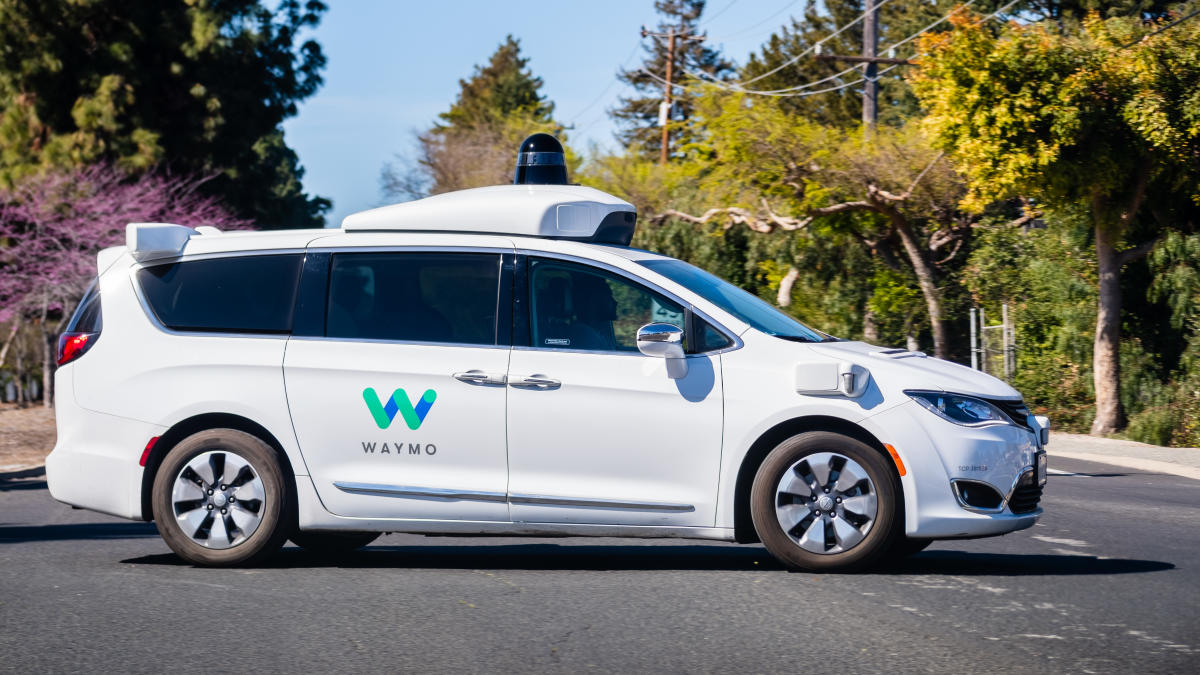
Alphabet’s self-driving division, Waymo, has announced its plans to roll out its fully autonomous ride-hailing service in Washington, D.C. by 2026. The company, which has already expanded its service to several major U.S. cities, aims to introduce its driverless technology to the U.S. capital in the coming year.

Expanding Autonomous Services to Washington, D.C.

Waymo has been progressively moving its self-driving vehicles to Washington, D.C. since January, with more vehicles expected to be deployed over the coming weeks. While the city currently does not allow for fully autonomous vehicles without a human behind the wheel, Waymo intends to work closely with local policymakers to develop the necessary legal framework for the service.

Waymo One, the company’s self-driving ride-hailing service, has already gained significant traction in other cities, including San Francisco, Phoenix, Los Angeles, and Austin, where it provides over 200,000 paid trips weekly. The company plans to expand to Atlanta and Miami next before launching in Washington, D.C.

Regulatory Challenges and Funding

The announcement comes amid growing interest in autonomous vehicle deployment, especially in Washington, D.C., where federal regulators and lawmakers are located. Tech companies, including Waymo, have urged the government to expedite vehicle approvals and establish clearer regulations for autonomous vehicles.

In October 2024, Waymo closed a $5.6 billion funding round led by its parent company, Alphabet, which will help support the expansion of its self-driving services despite ongoing safety concerns raised by regulators.

Safety Concerns and Recalls

Waymo’s autonomous vehicles have faced scrutiny from the National Highway Traffic Safety Administration (NHTSA), which opened an investigation in May 2024 after receiving multiple reports of the company’s robotaxis exhibiting unexpected behavior, including traffic violations and collisions. In response to these incidents, Waymo issued several recalls, including a recall in June 2024 of 672 vehicles after one of its driverless cars hit a utility pole in Phoenix.

Despite these challenges, Waymo claims that based on data from over 50 million rider-only miles (80.5 million kilometers), its vehicles have been involved in 81% fewer injury-causing crashes compared to average human drivers.

Conclusion

Waymo’s plans for the 2026 launch of its autonomous ride-hailing service in Washington, D.C. represent a significant milestone in the development of self-driving technology. While the company faces regulatory hurdles and safety concerns, it continues to push forward with its vision for a future without human drivers.

Avride Partners with Hyundai to Expand Robotaxi Fleet

Self-driving technology startup Avride has announced a strategic partnership with Hyundai Motor Co to expand its fleet of robotaxis. Under the deal, Avride will incorporate 100 Hyundai IONIQ 5 cars into its fleet this year, with plans to grow further by 2026 as the company seeks to enhance its autonomous vehicle services and expand into new regions.

Avride, based in Texas, is joining a growing group of companies advancing autonomous vehicle technology and expanding their fleet of robotaxis. This includes Tesla, which is preparing to launch its own autonomous ride-hailing service in California and Texas, and Alphabet’s Waymo, which recently rolled out its robotaxi service on Uber’s platform in Austin.

As part of the partnership, Avride’s IONIQ 5 cars will be retrofitted with the company’s self-driving technology and used exclusively on Uber’s platform in Dallas, Texas. These vehicles will be manufactured at Hyundai’s Metaplant facility in Georgia, and the two companies also aim to explore autonomous delivery services using Avride’s technology.

Avride’s connection with Hyundai is not new, as the startup was previously part of Russian company Yandex’s self-driving division and has collaborated with Hyundai’s automotive supply unit in the past to develop systems for autonomous vehicles.

Tesla’s Robotaxi Rollout in Texas Raises Concerns Over Safety and Regulation

Elon Musk announced in late January that Tesla plans to launch its autonomous ride-hailing service, which he refers to as “robotaxis,” by June in Austin, Texas. This announcement has raised questions regarding Tesla’s willingness to push unproven driverless technology onto public streets, especially in a state with minimal regulatory oversight.

Tesla has been criticized for accidents involving its driver-assistance systems, Autopilot and Full Self-Driving (FSD), blaming customers for accidents while advising them to remain ready to take control of the vehicle. With this new initiative, Musk aims to deploy fully autonomous taxis, putting the company directly in the line of responsibility for any crashes, according to legal experts.

Despite years of promises about fully self-driving vehicles, Tesla has failed to deliver. Musk has set a goal to launch these autonomous taxis in Texas, a state with almost no regulatory control over autonomous vehicles. Texas law allows companies to operate driverless cars on public roads as long as they are registered, insured, and equipped to record crash data, without needing approval from a state agency.

Musk’s Tesla headquarters relocation to Austin in late 2021 was partly motivated by Texas’s hands-off regulatory approach, a stance that aligns with Musk’s broader political views. Critics, including legal experts, believe that Texas’s lack of oversight could allow Tesla to bypass important safety and testing procedures, potentially endangering public safety. Unlike in California, where companies like Waymo and Cruise have had to log millions of miles under strict regulations to gain approval for paid robotaxi services, Tesla’s approach will likely face far fewer hurdles.

Despite promising an unsupervised version of FSD in 2023, Tesla has logged just 562 miles of testing in California, far fewer than other autonomous vehicle companies. Even so, Musk’s plans for June have left investors and experts guessing. Musk’s promise of a fully autonomous ride-hailing system lacks details about scale, availability, or how it will function in practice.

Legal experts also believe that Tesla may begin with limited tests in Austin, potentially in controlled areas with human intervention via remote control to prevent accidents. However, residents in Austin have already raised concerns about safety, citing multiple near-miss incidents involving other robotaxis on the streets. Local authorities have also struggled with enforcement, as Texas law allows driverless vehicles to operate with limited oversight, leaving cities like Austin feeling powerless.