Yazılar

Tesla’s ‘Robotaxi’ Trademark Rejected for Being Too Generic, Says TechCrunch

The U.S. Patent and Trademark Office (USPTO) has rejected Tesla’s application to trademark the term Robotaxi” for its autonomous vehicles, ruling that the term is too generic, according to a report by TechCrunch on Wednesday.

Key Points:

  • The USPTO issued a nonfinal office action, giving Tesla three months to respond before the application is officially abandoned.

  • Tesla’s separate application to trademark “Robotaxi” for its upcoming ride-hailing service remains under review.

  • Tesla also attempted to trademark Cybercab”, but that application is on hold due to conflicts with other trademark claims involving the prefix “Cyber”.

Implications for Tesla:

This development could complicate Tesla’s branding strategy for its upcoming autonomous ride-hailing service, which is slated to launch in Austin, Texas by June. The inability to secure exclusive rights to widely used industry terms may limit Tesla’s marketing and legal protection around these initiatives.

Context:

  • Tesla has been vocal about its ambitions to introduce “autonomous ride-hailing for money,” but the company has acknowledged that shifting global trade policies and political uncertainty may impact both its production and demand forecasts.

  • The term “robotaxi” is commonly used across the autonomous vehicle industry to describe self-driving cabs, making it difficult to claim proprietary ownership.

Uber Misses Q1 Revenue Target Amid Slower U.S. Travel, Leans on Global Growth and Robotaxis

Uber Technologies (UBER.N) reported Q1 revenue of $11.53 billion, slightly below analyst expectations of $11.62 billion, with its core ride-hailing business posting its slowest growth since the pandemic, due largely to weakened U.S. travel demand. Despite the miss, Uber struck an optimistic tone with above-estimate forecasts for Q2, pointing to international expansion and autonomous vehicle partnerships as key growth drivers.

The categories we operate in … tend to be quite consistent, even during macro uncertainty,” CEO Dara Khosrowshahi told analysts.

Key Financial Highlights:

  • Total revenue: $11.53B (vs. $11.62B expected)

  • Ride-hailing revenue growth: +15% (slower than past quarters)

  • Delivery revenue growth: +18% (in line with forecasts)

  • Q2 gross bookings guidance: $45.75B–$47.25B (vs. $45.83B expected)

  • Q2 adjusted EBITDA: $2.02B–$2.12B (vs. $2.04B expected)

CFO Prashanth Mahendra-Rajah cited a “slightly higher mix of international trips” and “lower inbound U.S. travel” as key factors behind the slowdown. Broader foreign spending on U.S. travel dropped sharply in March, reinforcing a trend echoed by Airbnb.

Strategic Moves to Offset U.S. Softness:

  • 85% stake acquisition of Trendyol Go (Turkey) for $700M

  • Partnership with China’s Pony AI for robotaxi deployment

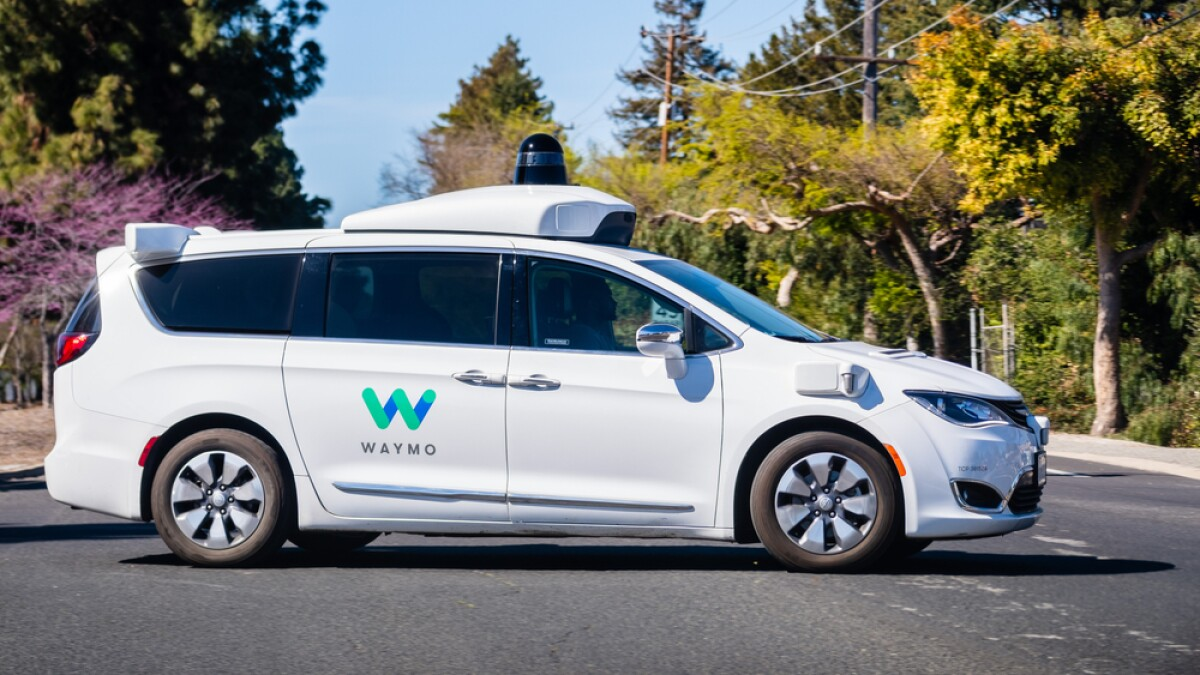
  • Robotaxi service with Waymo in Austin showing high usage and scaling plans

Despite the revenue miss, Uber’s stock, which is up 42% year-to-date, fell only ~1% by market close after dipping 6% in early trading.

We see the miss as immaterial, and as such, believe the stock will recover,” said Jamie Meyers, senior analyst at Laffer Tengler Investments.

Uber’s positioning in delivery, mobility, and autonomous vehicles continues to insulate it from domestic travel headwinds, with international markets and automation partnerships paving the way for sustained long-term growth.

Amazon’s Zoox to Expand Robotaxi Production Ahead of U.S. Rollout, FT Reports

Zoox, the self-driving vehicle subsidiary of Amazon, plans to scale up production in 2025 as it prepares for a broader commercial rollout of its robotaxi fleet across the U.S., according to a report by the Financial Times on Wednesday.

Co-founder Jesse Levinson said the company will open a new facility in California’s Bay Area, significantly expanding beyond its current production site in Fremont. The new location is expected to support Zoox’s goal of producing hundreds—eventually thousands—of custom-built robotaxis.

To date, Zoox has deployed about two dozen purpose-built autonomous vehicles across six U.S. cities. It plans to begin public ride services in Las Vegas this year, with San Francisco to follow.

The expansion comes amid a shift in federal regulatory attitudes toward self-driving technology, as the Trump administration recently signaled plans to ease some vehicle safety regulations and reduce mandatory incident reporting, in an effort to accelerate autonomous vehicle deployment.

Zoox joins a crowded field of competitors in the U.S. robotaxi market, including Tesla, Waymo (owned by Google’s parent Alphabet), and GM’s Cruise. All have faced regulatory scrutiny, with U.S. authorities investigating safety issues related to autonomous driving systems—including vehicles operated by Zoox.