Scientists Discover Rare Metals in Coal Waste, Offering Potential for Clean Energy Transition
Scientists have uncovered a surprising potential source of rare earth metals in the vast amounts of coal ash left behind by power plants, presenting a new opportunity to advance clean energy technologies. These metals, essential for electric vehicles, solar panels, and wind turbines, are critical to the global shift away from fossil fuels, but their supply is limited. According to research led by the University of Texas at Austin, coal ash could contain up to 11 million tons of rare earth elements, worth around $8.4 billion. This is nearly eight times the amount currently available in U.S. reserves.
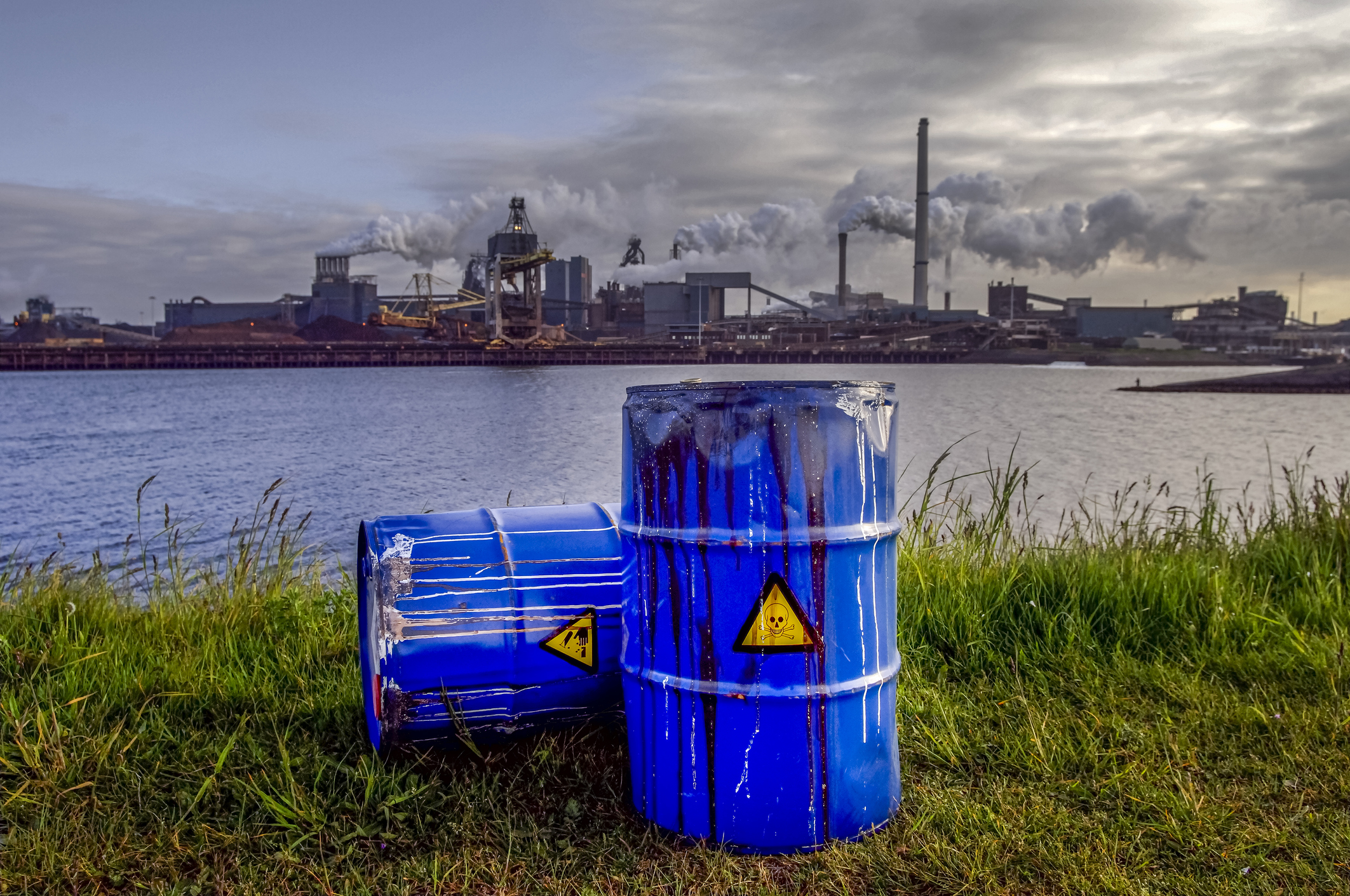
While coal ash has long been a concern due to its toxicity, the discovery of valuable rare earth elements within it could offer a way to recycle this waste and reduce reliance on mining. Bridget Scanlon, a research professor at the University of Texas, emphasized the opportunity to “close the cycle” by turning waste into a resource. The rare earth metals in coal ash, including scandium, neodymium, and yttrium, are crucial for clean technologies and are typically difficult and expensive to extract from conventional ore deposits.
Despite the name “rare earths,” these metals are not rare in nature but are challenging to separate from their ores. With global demand for these elements expected to rise sharply in the coming years, the need for alternative sources is becoming urgent. The International Energy Agency predicts that demand could increase up to sevenfold by 2040, yet the U.S. currently imports over 95% of its rare earths, mainly from China, presenting both supply chain risks and national security concerns.
In response, there has been growing interest in unconventional sources of these metals, with coal and its byproducts emerging as a viable option. Coal ash is produced in massive quantities—around 70 million tons annually in the U.S.—and contains trace amounts of rare earth elements. The extraction process would be significantly more efficient than traditional mining, as much of the material is already processed, leaving only the need to extract the metals.
However, the extraction process is not without challenges. The coal ash from different regions of the U.S. varies in its concentration of rare earths. For example, coal ash from the Appalachian Basin has higher concentrations but can only yield 30% of the available metals. In contrast, coal ash from the Powder River Basin, with lower concentrations, allows for up to 70% of the rare earth elements to be extracted.
Despite these variations, experts caution that the extraction process could be costly, involving strong acids and bases that are both expensive and environmentally hazardous. The environmental impact of extracting these metals, particularly when coal ash contains contaminants like mercury, arsenic, and lead, is another concern.
However, the research team argues that the financial value of the metals could offset the costs of improving the management and storage of coal ash. The Biden administration has already invested $17.5 million into projects focused on extracting rare earths from coal byproducts, aiming to enhance national security, revitalize energy and manufacturing sectors, and create jobs.
While some worry that focusing on coal ash could inadvertently encourage further coal production, Scanlon reassured that the plan focuses on utilizing existing waste, with over 2 billion tons of coal ash already stored across the U.S. This approach is aimed at extracting value without incentivizing the continued use of coal, as most of the focus is on “legacy waste.”
The ultimate goal is to explore a range of valuable products that can be derived from coal waste, contributing to a more sustainable approach to resource extraction while advancing the clean energy transition.