Yazılar

East and Gulf Coast Ports Strike Halts Billions in Trade

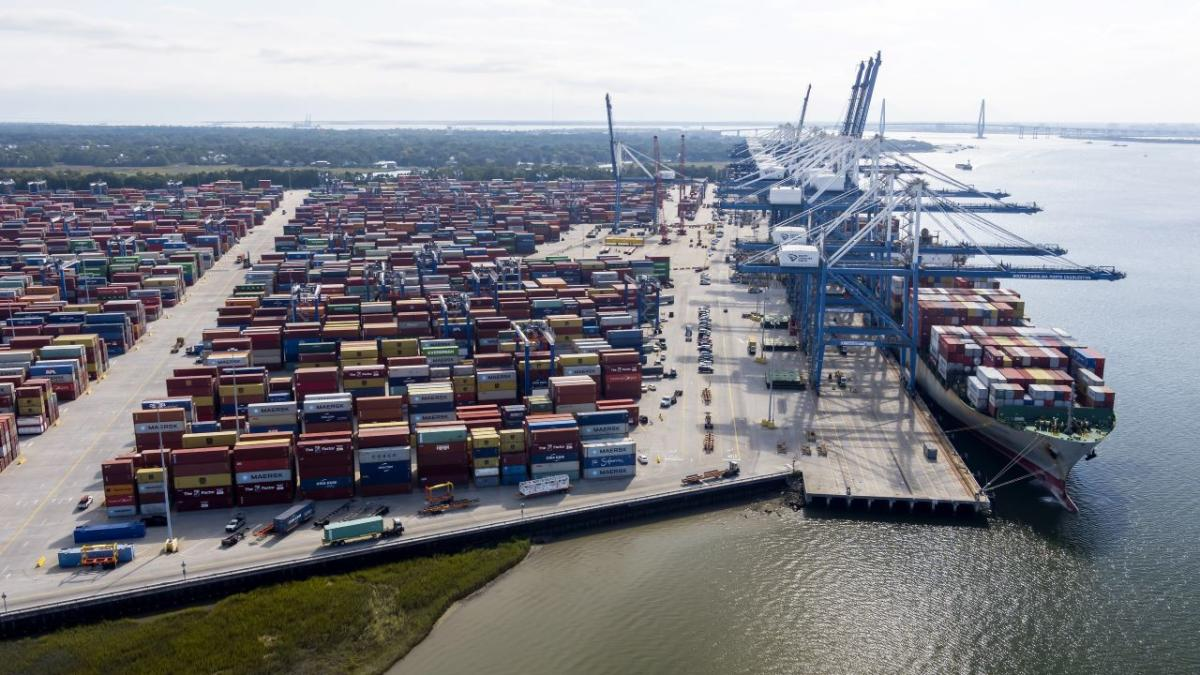
The U.S. East Coast and Gulf Coast ports were brought to a standstill on October 1 after members of the International Longshoremen’s Association (ILA) walked off the job at 14 major ports. The strike, involving around 50,000 ILA workers, follows the expiration of the union’s contract with the United States Maritime Alliance (USMX) and ongoing disputes over wage increases and automation usage. This labor action threatens to cost the U.S. economy billions, with industries relying on these ports already feeling the strain.

Despite last-minute efforts, including a nearly 50% wage increase offer from the USMX over six years, the ILA rejected the proposal, leading to widespread disruption. The affected ports include critical hubs such as New York/New Jersey, Boston, Baltimore, Savannah, and Houston. New York Governor Kathy Hochul acknowledged the severity of the situation, noting the first large-scale eastern dockworker strike in nearly five decades and the state’s preparedness to mitigate supply shortages.

ILA President Harold Daggett, who has been outspoken in his opposition to the USMX’s offers, rallied members by emphasizing the historical significance of the strike, stating, “They can’t survive too long.” The impact of the strike has already started to ripple through the U.S. economy, with experts warning of severe consequences depending on the duration of the work stoppage. Adam Kamins, an economist at Moody’s Analytics, noted that a short strike would cause backlogs, while a prolonged disruption could lead to supply shortages and increased prices, particularly affecting the food and automobile industries.

The strike has further complicated the recovery from Hurricane Helene, which recently caused port delays and power outages across Southeast and Gulf Coast regions. Supply chain experts like Shana Wray of FourKites highlighted that the strike worsens the congestion already caused by the hurricane, particularly for ports in Charleston and Savannah.

The pharmaceutical industry is among the sectors hardest hit by the strike. Noushin Shamsili, CEO of Nuco Logistics, emphasized the critical timing of the strike, which comes as pharmaceutical companies are replenishing inventories. The East Coast ports serve as vital entry points for active pharmaceutical ingredients (APIs) from India and Europe, essential for drug manufacturing in the U.S.

Retailers are also bracing for significant delays. Steve Lamar, CEO of the American Apparel and Footwear Association, expressed concern over the timing, noting that the strike could disrupt the holiday shopping season. Major importers like Walmart, Home Depot, and Ikea are scrambling to find alternative solutions, but options are limited, as the West Coast ports are unlikely to absorb the redirected cargo due to union solidarity with the ILA.

The last major ILA strike occurred in 1977, with West Coast dockworkers joining in solidarity. With the Teamsters already pledging support and refusing to cross picket lines, this strike has the potential to disrupt nearly half of all U.S. imports. The Biden administration, led by Transportation Secretary Pete Buttigieg and Acting Labor Secretary Julie Su, has been involved in attempts to bring both sides back to the negotiating table, but the ILA remains steadfast in its demands.

The Taft-Hartley Act, which grants the president power to suspend strikes for 80 days in cases of national emergency, has been brought up in discussions. However, the White House has repeatedly stated that it has no intention of invoking the act to force workers back to their jobs. With billions in trade hanging in the balance, pressure is mounting for a resolution, but both sides remain entrenched in their positions.
 

US and Allies Call for 21-Day Ceasefire Along Israel-Lebanon Border After UN Talks

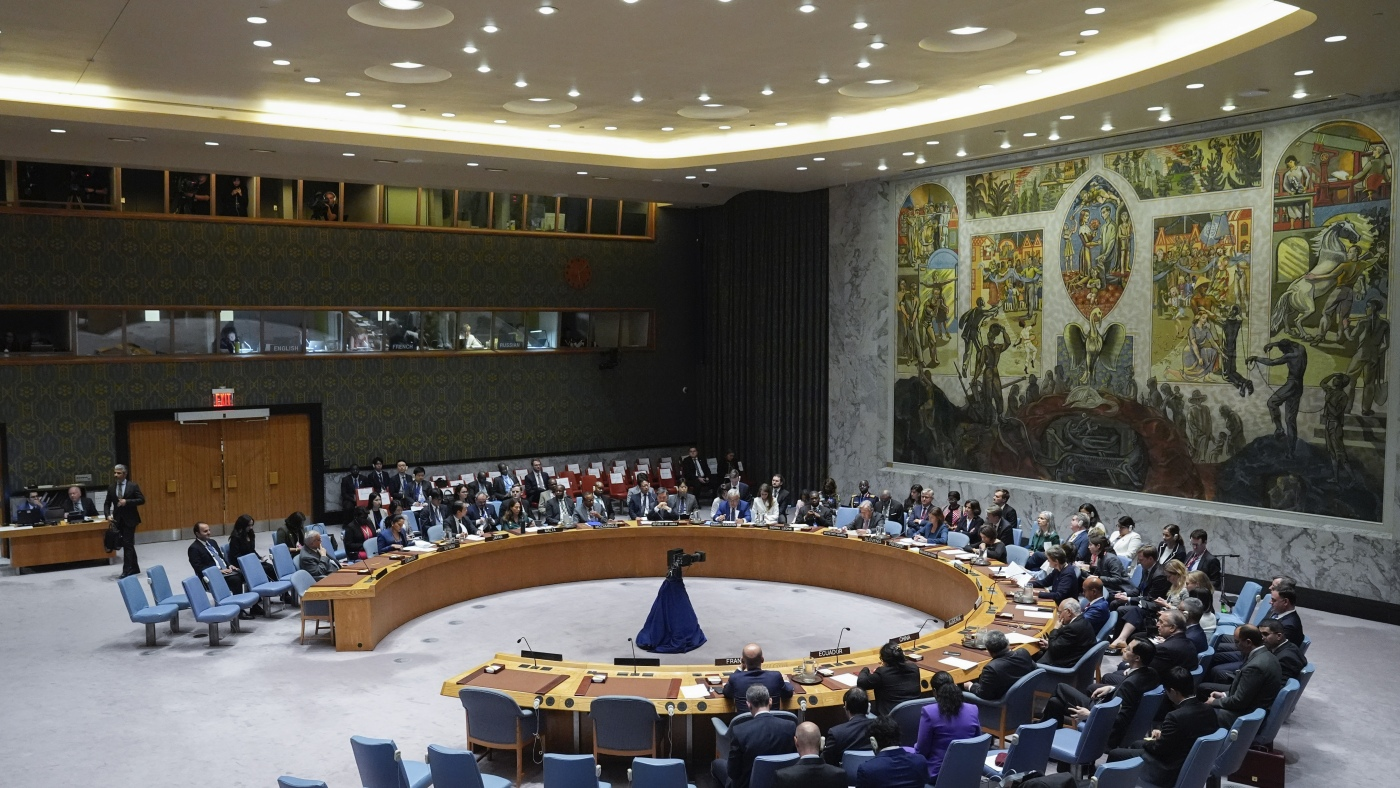
The United States, France, and other allies have called for a 21-day ceasefire along the Israel-Lebanon border following intense discussions at the United Nations on Wednesday. The ceasefire would apply to the “Blue Line,” the boundary between Israel and Lebanon, and aims to open the door for potential diplomatic resolutions, according to a senior Biden administration official.

In a joint statement, signed by countries including Australia, the UAE, Saudi Arabia, and the European Union, the allies urged both Israel and Lebanon to endorse the ceasefire. The situation on the Israel-Lebanon border has grown increasingly volatile, with Israel expanding its airstrikes, resulting in at least 72 fatalities and over 220 wounded, according to Lebanese health ministry reports. A potential ground assault has raised concerns that the conflict could escalate into a broader regional war.

Efforts to reduce hostilities have been ongoing, with Washington engaging both Israel and Lebanon in diplomatic talks. President Biden, along with his allies, views the ceasefire as a crucial step toward broader peace efforts. The U.S. has been focused on this issue in discussions with world leaders at the UN General Assembly this week.

Israel’s Ambassador to the UN, Danny Danon, welcomed the idea of a ceasefire, though he emphasized that any peace must address the root causes of violence, including Iran’s influence in the region. Iran’s Foreign Minister, Abbas Araqchi, voiced support for Hezbollah and warned that Iran would not stand by if the conflict escalates further in Lebanon.

Lebanese Prime Minister Najib Mikati also welcomed the ceasefire call but expressed concern over whether Israel would comply with international resolutions.

The conflict has pressured the Biden administration, particularly with U.S. elections approaching. Tensions have mounted following an Israeli airstrike that targeted Hezbollah leadership in Lebanon, with the conflict in Gaza further complicating the situation.

Biden Proposes Ban on Chinese Vehicles Over Software and National Security Concerns

The Biden administration has proposed new regulations that would effectively ban Chinese vehicles from U.S. roads due to concerns over data privacy and national security. Announced by the U.S. Commerce Department, the proposed rules would prevent key Chinese software and hardware from being integrated into connected vehicles, citing risks of surveillance, remote control, and potential foreign manipulation. The regulations would apply to both Chinese-made cars and components from other adversarial countries like Russia.

This move, reported first by Reuters, extends ongoing U.S. restrictions on Chinese imports and comes amid escalating fears about the collection of data by Chinese companies. The administration’s concern is centered around connected vehicles, which are equipped with network hardware enabling internet access, allowing data sharing with external devices. Officials fear that this capability could be exploited for surveillance or even control of vehicles on American roads.

Commerce Secretary Gina Raimondo emphasized the potential risks posed by foreign adversaries having the ability to remotely control vehicles, which could lead to widespread disruptions and safety hazards. “In an extreme situation, a foreign adversary could shut down or take control of all their vehicles operating in the United States all at the same time, causing crashes, blocking roads,” Raimondo said during a briefing.

The proposed regulation would go into effect for software in the 2027 model year and for hardware by 2029. While the rules would apply to all vehicles on U.S. public roads, they would not affect agricultural or mining vehicles used off-road. Chinese automakers could apply for exemptions under “specific authorizations” but would face steep challenges entering or remaining in the U.S. market.

The Commerce Department’s proposal builds on earlier measures, including a 100% tariff on Chinese electric vehicles (EVs) and new restrictions on critical components like EV batteries. The Biden administration has ramped up efforts to curtail Chinese influence in the U.S. automotive industry, despite the limited number of Chinese cars currently imported. Raimondo noted that the administration is taking action early, before Chinese components become more common in U.S. vehicles.

White House National Security Adviser Jake Sullivan underscored the urgency of the issue, stating that the presence of potentially millions of connected vehicles with long lifespans increases the risk of sabotage and disruption. Sullivan also pointed to evidence of Chinese malware being embedded in U.S. infrastructure as a justification for the proposal.

The Chinese Embassy in Washington has pushed back against the plan, urging the U.S. to adhere to international trade rules and warning that China will “firmly defend its lawful rights and interests.” Meanwhile, the Alliance for Automotive Innovation, representing major automakers such as General Motors, Toyota, Volkswagen, and Hyundai, has expressed concern over the time and complexity involved in replacing software and hardware sourced globally, including from China.

The Commerce Department is seeking public input on the proposal over the next 30 days, aiming to finalize the regulation by January 20.