
Yazılar

Meet OpenAI’s First Chief Economist: 3 Things You May Not Know About Dr. Aaron “Ronnie” Chatterji

OpenAI recently appointed Dr. Aaron “Ronnie” Chatterji as its first chief economist to lead economic research on AI’s societal impacts, including its effects on the global economy and workforce. According to OpenAI’s press release, Dr. Chatterji will contribute to understanding how artificial intelligence can drive growth, solve complex challenges, and foster long-term prosperity.

Larry Summers, an OpenAI board member and former U.S. Treasury Secretary, praised Dr. Chatterji’s expertise, noting that his insights would guide OpenAI in developing impactful AI tools. Here are three lesser-known facts about Dr. Chatterji:

  1. Duke University Professor for Nearly Two Decades
    Dr. Chatterji has taught at Duke University’s Fuqua School of Business since 2006. As a distinguished professor in business and policy, he developed an advanced corporate strategy course that leverages case studies to discuss how evolving political trends influence corporate decision-making. Dr. Chatterji holds a bachelor’s degree in economics from Cornell University and a Ph.D. from UC Berkeley’s Haas School of Business.
  2. Service in Presidential Economic Policy
    With experience in both the Biden and Obama administrations, Dr. Chatterji has held significant economic policy roles. Most recently, he served as acting deputy director of the National Economic Council from September 2022 to August 2023, where he helped execute President Biden’s CHIPS and Science Act. In 2010, he worked as a senior economist at the Council of Economic Advisors under President Obama.
  3. Prolific Author and Researcher
    Dr. Chatterji has published over 30 research papers, co-authored Can Business Save the Earth? Innovating Our Way to Sustainability (2018), and co-edited The Role of Innovation and Entrepreneurship in Economic Growth (2022). His research often focuses on how innovation and entrepreneurship impact economic growth, aiming to apply this expertise to support OpenAI’s mission of broadly distributing AI’s benefits.

 

Biden Administration Unveils New Regulation Proposal for Student Loan Forgiveness Based on Hardship

The Biden administration has introduced a new proposal aimed at providing federal student loan forgiveness to borrowers facing financial hardship. This regulation would authorize the Secretary of Education to waive some or all of the federal debt for those unable to repay due to significant hardship or when collection efforts outweigh the financial benefits of repayment.

The proposal includes 17 factors that may indicate hardship and guide eligibility. These factors include:

  1. Household income
  2. Assets
  3. Type of loans and debt balance
  4. Current repayment status and history
  5. Total student debt balance and payments relative to income
  6. Total debt balances relative to income
  7. Receipt of Pell Grant and FAFSA information
  8. Type and level of educational institution attended
  9. Outcomes of attended programs
  10. Federal financial assistance received for postsecondary education
  11. Borrower’s age
  12. Disability
  13. Age of loans (from first disbursement date)
  14. Receipt of means-tested public benefits
  15. Essential costs (e.g., healthcare, caretaking)
  16. Potential for hardship to persist
  17. Any other hardship indicators identified by the Secretary

Eligible borrowers may qualify for relief through two main pathways:

  • Automatic Forgiveness: Borrowers identified as at least 80% likely to default may have their debt automatically forgiven.
  • Application-Based Forgiveness: Individual cases will be reviewed to assess hardship on a case-by-case basis.

Implementation Timeline and Next Steps

The proposal is set to enter a 30-day public comment period in the Federal Register before finalization, with an anticipated implementation date in 2025. This regulation follows the Supreme Court’s 2023 decision to block a broad student loan forgiveness plan, marking a continued effort by the administration to explore alternative debt relief avenues.

U.S. Ends Legal Status Renewal for Hundreds of Thousands of Migrants

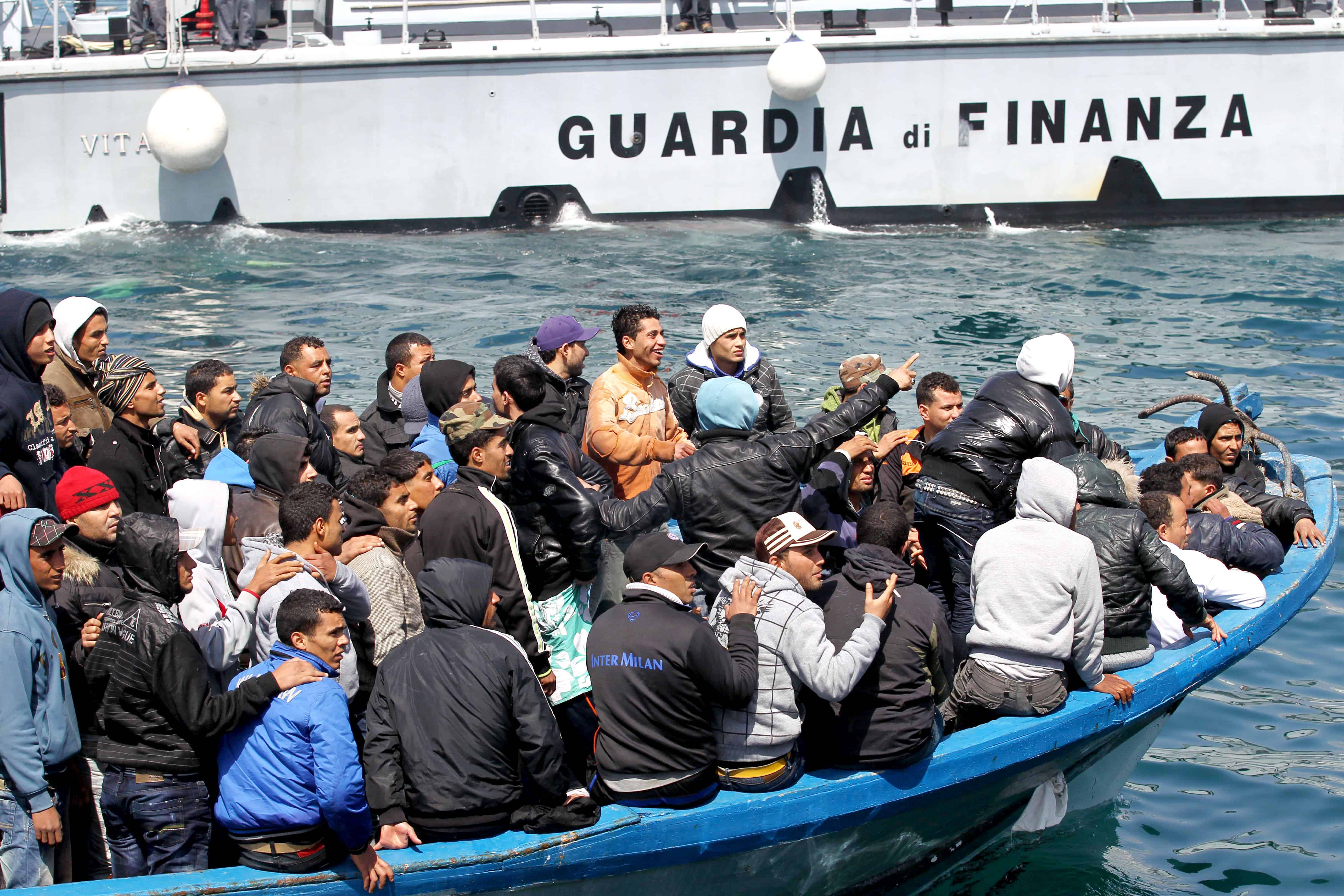
The Biden administration has announced that it will not renew the temporary humanitarian entry program known as “parole” for hundreds of thousands of migrants from Cuba, Haiti, Nicaragua, and Venezuela who arrived in the U.S. in recent years. Since October 2022, around 530,000 migrants from these four countries have entered the U.S. with two-year grants under this program, which will soon begin to expire. Despite this decision, many migrants will still have options to remain in the country under other programs.

The parole program, which allows migrants with U.S. sponsors to enter for humanitarian reasons or if their entry benefits the public, will continue accepting new applications for migrants abroad. However, migrants currently in the U.S. under this program will either need to depart when their parole period expires or risk deportation. Naree Ketudat, a spokesperson for the Department of Homeland Security (DHS), reiterated that this decision aligns with the original plan outlined when the program was launched.

Background and Implications

The parole program was part of President Joe Biden’s broader immigration strategy, designed to reduce the high number of illegal border crossings while providing legal entry routes for certain nationalities. During Biden’s presidency, illegal crossings at the U.S.-Mexico border surged to record levels, but the new restrictions and programs like parole have contributed to a notable decrease in crossings in recent months.

The upcoming expiration of the parole grants comes just before the November 5, 2024, U.S. election, where immigration will be a central issue. Democratic Vice President Kamala Harris will face Republican candidate Donald Trump, who has been vocal in his criticism of the Biden administration’s immigration policies, including the parole program.

Alternative Pathways for Migrants

While the parole program will not be renewed, migrants from Cuba, Haiti, Nicaragua, and Venezuela may still find ways to remain in the U.S. legally:

  • Cubans: Many Cubans are eligible for permanent residency and eventual citizenship through the 1966 Cuban Adjustment Act, which provides a pathway to legal status.
  • Haitians and Venezuelans: A significant number of Haitians and Venezuelans in the U.S. are eligible for Temporary Protected Status (TPS), which grants deportation relief and work permits.
  • Asylum: Migrants from all four nationalities may apply for asylum, which could provide a legal avenue to stay in the U.S.

Exceptions for Other Nationalities

While the CHNV parole program is set to expire, other parole programs for migrants from Ukraine and Afghanistan have been extended. These programs, implemented in response to conflicts in those countries, remain active.

The decision to end the parole program for Cuba, Haiti, Nicaragua, and Venezuela underscores the administration’s balancing act of maintaining stricter border control while providing humanitarian relief for specific groups. As the legal status of these migrants comes into question, the U.S. immigration system faces increased scrutiny, with both political and humanitarian considerations shaping its future.