Yazılar

Polestar Faces Nasdaq Delisting Warning as Stock Slumps Below $1

Swedish electric vehicle manufacturer Polestar has received a warning from Nasdaq after its shares fell below the exchange’s required minimum bid price of $1. The notice puts the EV maker at risk of delisting from the U.S. stock exchange unless it can lift its share price within the next six months.

Polestar’s U.S.-listed stock closed at 84 cents on Friday, marking a 20% decline in 2025 after losing more than half its value last year. The company now has until April 29, 2026, to regain compliance by maintaining a closing price of at least $1 for ten consecutive trading days, Nasdaq said. If it fails to meet the requirement, Polestar may be granted an additional 180-day extension.

The company attributed its struggles to mounting competition in the global EV market, where giants like Tesla and China’s BYD continue to dominate. Polestar has introduced discounts and leasing incentives in an effort to boost sales, particularly in Europe, where demand remains relatively strong.

This is the second time Polestar has faced non-compliance with Nasdaq’s listing standards, having previously received a warning last year for delays in filing its annual financial report with U.S. regulators.
Chinese battery stocks tumble after new export controls tighten grip on EV supply chain

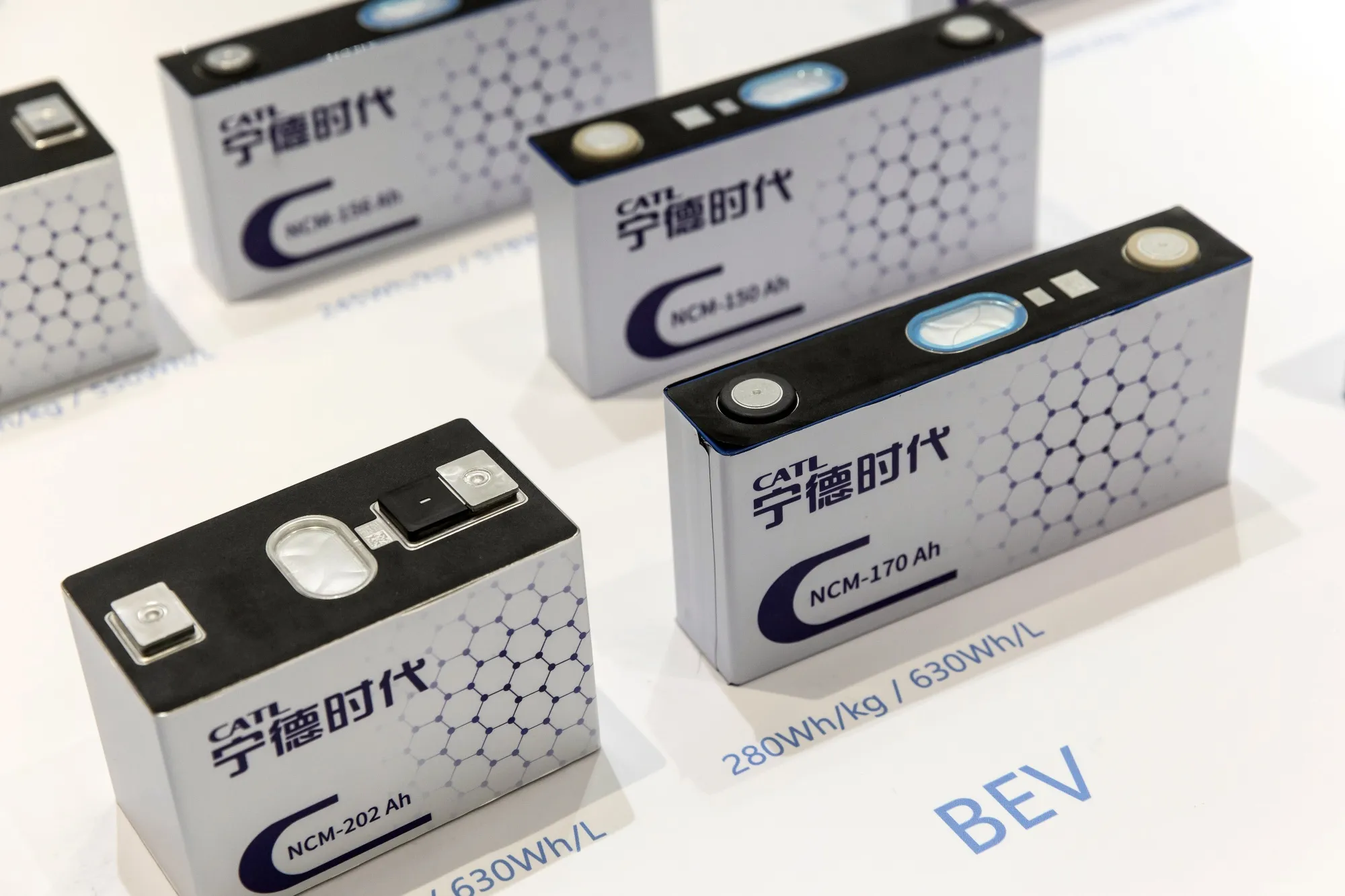
Chinese battery shares fell sharply on Friday after Beijing announced new export controls on lithium battery materials and technology, deepening its hold on a supply chain vital to global electric vehicle (EV) and energy storage industries.

The Ministry of Commerce said exporters of certain high-end lithium-ion batteries, cathode and graphite anode materials, and related technical know-how will now require permits starting November 8. The move follows China’s expanded restrictions on rare earths, escalating tensions with the United States ahead of a potential meeting between Presidents Donald Trump and Xi Jinping.

Shares of major producers sank: CATL dropped 6.82%, Tianqi Lithium fell 7.17%, EVE Energy plunged nearly 11%, and BYD lost 2.54% by market close. China’s New Energy Vehicles Index slid 6.02%.

“The new controls drastically expand how much of the lithium battery supply chain China is staking a claim to,” said Cory Combs of Trivium China, warning that Beijing could slow or limit export licenses to maintain leverage.

Analysts at Zaoshang Securities argued the impact should be limited, saying the measures stop short of a ban and that past controls, such as those on natural graphite, caused no major export decline. Still, investors remain uneasy as the curbs come alongside tighter EV tax exemption rules, which could hit domestic demand.

Chinese companies such as CATL and BYD, which supply automakers worldwide and operate joint ventures like the Ford-CATL plant in the U.S., could face ripple effects across global supply chains as Washington and Beijing compete for dominance in critical materials.

Tesla’s cheaper Model Y faces stiff competition in crowded European EV market

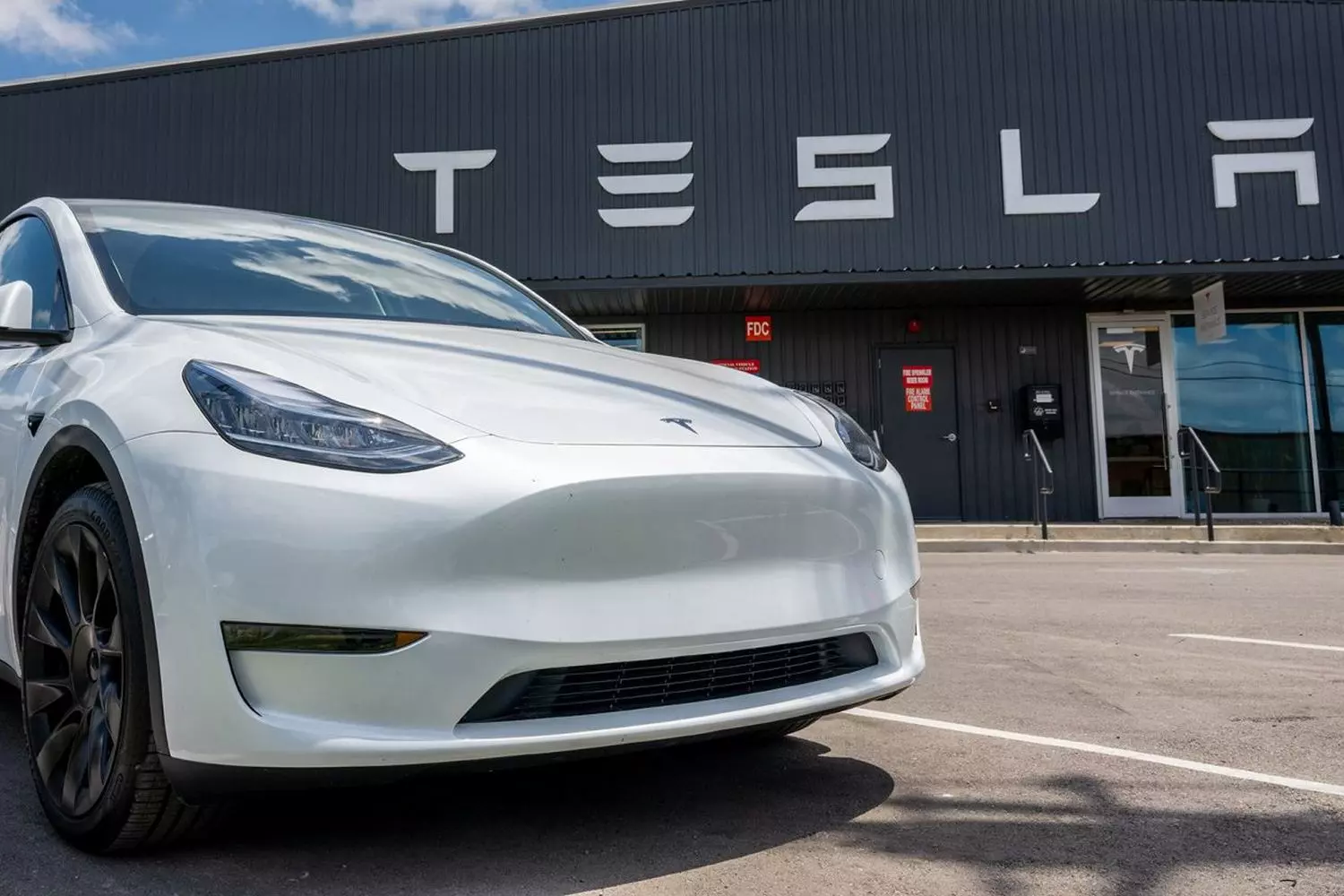
Tesla’s new lower-cost Model Y and Model 3 may struggle to gain traction in Europe, where affordable electric vehicles from Chinese and European automakers already dominate. The newly launched $39,990 Model Y Standard and $36,990 Model 3 enter a segment crowded with more than a dozen models priced below $30,000.

Analysts say the competition could blunt Tesla’s recovery in a region where its market share has halved to around 1.5% since 2023. “The competition in this market is fierce,” said Sam Fiorani of AutoForecast Solutions. Budget EVs such as the BYD Dolphin, Dacia Spring, and Citroën e-C3 are undercutting Tesla’s new releases by thousands of euros, while Volkswagen’s ID.Polo will join the field next year at under €25,000.

Tesla’s European sales drop has been fueled by an aging product lineup and consumer backlash against CEO Elon Musk’s politics. The company hopes the cheaper models will revive demand after its first global sales decline in 2024, with deliveries projected to fall another 10% this year.

Despite interior updates to the Model Y, analysts argue the price cut doesn’t go far enough. “It isn’t going to break the market open in a way that a €30,000 vehicle would,” said Matthias Schmidt of Schmidt Automotive.

With over 25 new EVs set to hit European showrooms next year, Tesla faces its toughest challenge yet in keeping its once-dominant position in the region’s fast-evolving EV market.